
Search results for: 'makes/'
- New
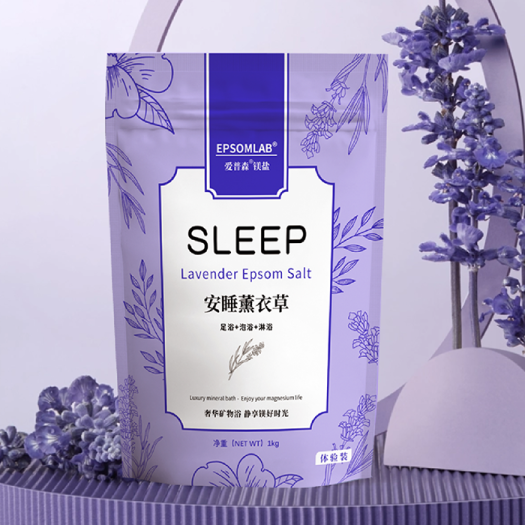
Lavender epsom salt
Lavender Epsom Salt is a premium bath salt combining high-quality magnesium sulfate (Epsom salt) with the soothing fragrance of lavender. Specially designed for relaxing baths and personal care, it dissolves easily in warm water and creates a refreshing, spa-like bathing experience at home. The gentle lavender aroma helps create a calm and comfortable atmosphere, making it ideal for use after a long day. Our Lavender Epsom Salt features clean, uniform crystals and consistent quality. It is suitable for home baths, spas, hotels, wellness centers, and private-label bath products. Customized packaging, fragrances, and crystal sizes are also available upon request.
Learn More - New
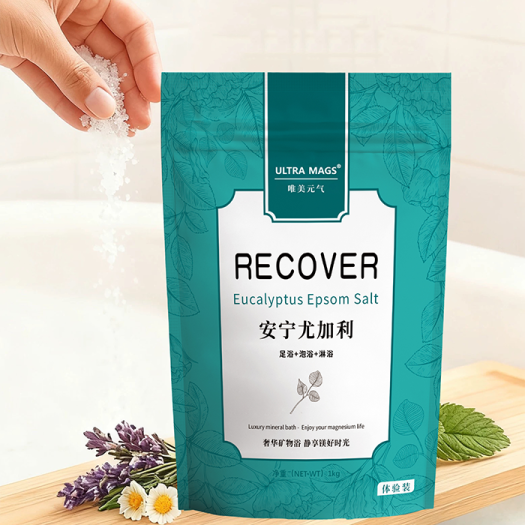
Eucalyptus epsom salt
**Eucalyptus Epsom Salt** is a refreshing bath salt made with high-quality Epsom salt (Magnesium Sulfate Heptahydrate) and the clean, invigorating aroma of eucalyptus. Designed for relaxing baths and everyday wellness routines, it dissolves easily in warm water and creates a soothing, spa-inspired bathing experience. The fresh eucalyptus fragrance helps create a calm and revitalizing atmosphere, making it ideal for unwinding after a busy day. With its pure crystalline appearance and refreshing scent, Eucalyptus Epsom Salt is suitable for home baths, spas, hotels, wellness centers, and private-label bath products. Enjoy a simple and refreshing way to enhance your bathing routine. Learn More - New
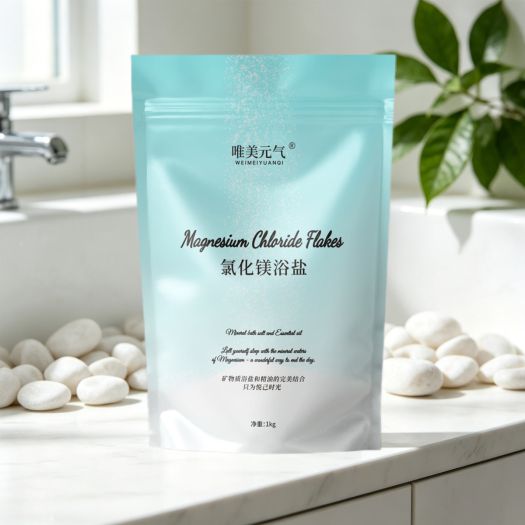
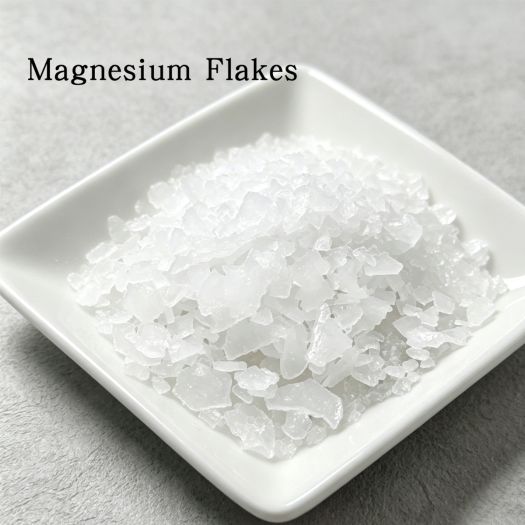
Magnesium Flakes
Magnesium Flakes are premium-quality bath salts designed to provide a relaxing and refreshing bathing experience. Rich in magnesium, these clean, fast-dissolving flakes are ideal for use in home baths, spas, wellness centers, and personal care products. When dissolved in warm water, Magnesium Flakes create a soothing mineral bath that is perfect for relaxation after exercise, work, or daily activities. Their excellent solubility and consistent quality make them suitable for both personal and commercial applications. Available in various packaging options, our Magnesium Flakes are carefully produced and packed to ensure purity, stability, and reliable quality for global bath salt markets. Learn More - New
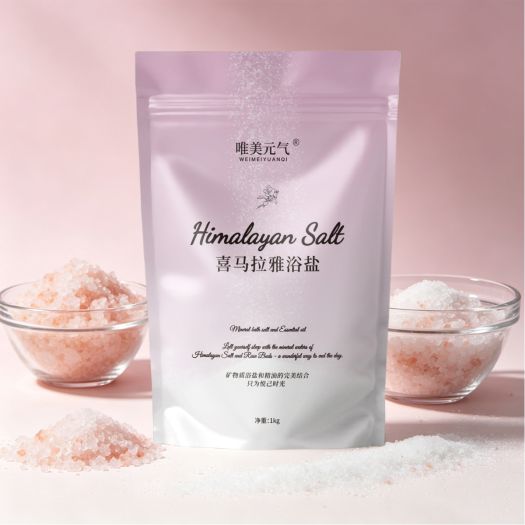
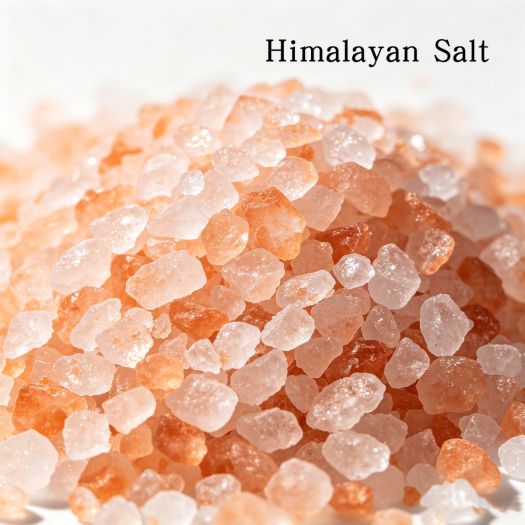
Himalayan Salt
Himalayan Salt is a natural mineral-rich salt known for its distinctive pink color and crystalline appearance. Carefully selected and processed for bath and spa applications, it dissolves easily in warm water to create a relaxing and refreshing bathing experience. Its attractive natural color and mineral composition make it an excellent ingredient for bath salts, spa products, foot soaks, and personal-care formulations. Himalayan Salt can be supplied in different crystal sizes to meet various product and packaging requirements. With its natural appearance and premium positioning, it is widely used by bath salt brands, cosmetic manufacturers, spas, and wellness product suppliers worldwide. Learn More - New
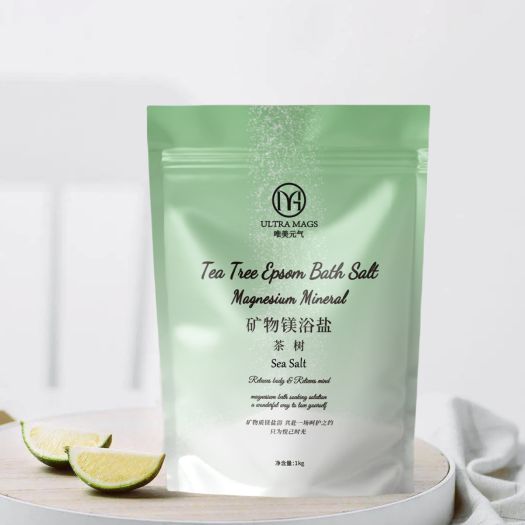
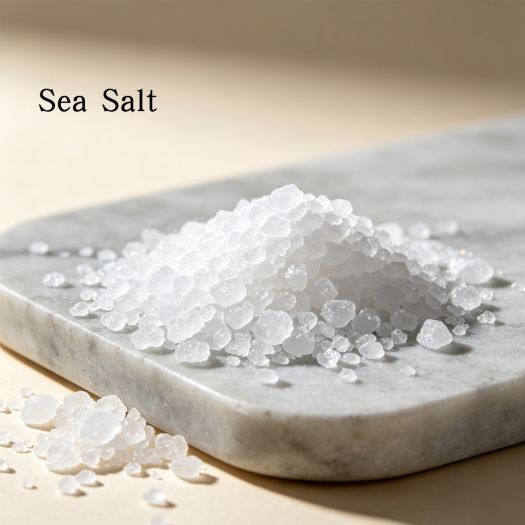
Tea Sea Salt
**Tea Sea Salt** is a refreshing bath salt specially formulated to create a relaxing and enjoyable bathing experience. Made with natural sea salt and inspired by the soothing qualities of tea, it dissolves easily in warm water and provides a clean, refreshing feel. Its delicate tea aroma helps create a calm, spa-like atmosphere, making it ideal for daily bathing, foot soaks, and home spa treatments. Tea Sea Salt can be supplied in different fragrances, colors, crystal sizes, and packaging options to meet various market requirements. It is an excellent choice for personal care brands, spas, hotels, and bath product retailers. Learn More - New
Sweet Orange Sea Salt
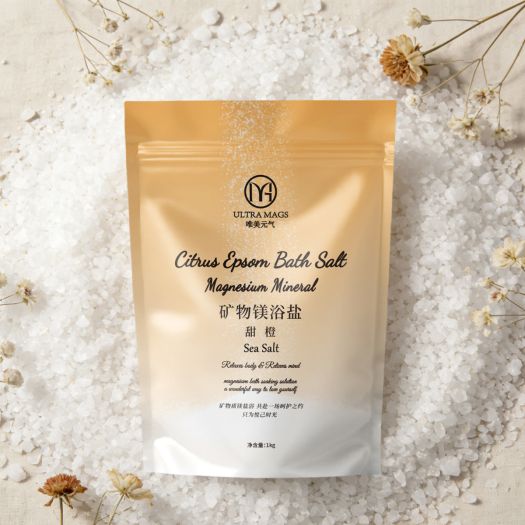
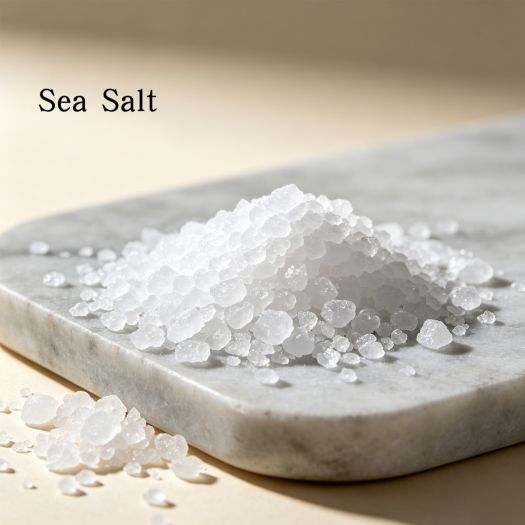
Sweet Orange Sea Salt is a refreshing bath salt that combines natural sea salt with the bright, uplifting aroma of sweet orange. Designed for a relaxing and enjoyable bathing experience, the sea salt dissolves easily in warm water and helps create a soothing spa-like atmosphere at home. Its fresh citrus fragrance brings a clean, vibrant scent to the bath, making it ideal for daily relaxation and personal care. Sweet Orange Sea Salt is suitable for use in bathtubs, foot baths, spas, and wellness treatments. With its attractive appearance and pleasant fragrance, it is also an excellent choice for bath and body product brands. Learn More -
Magnesium Sulphate Anhydrous
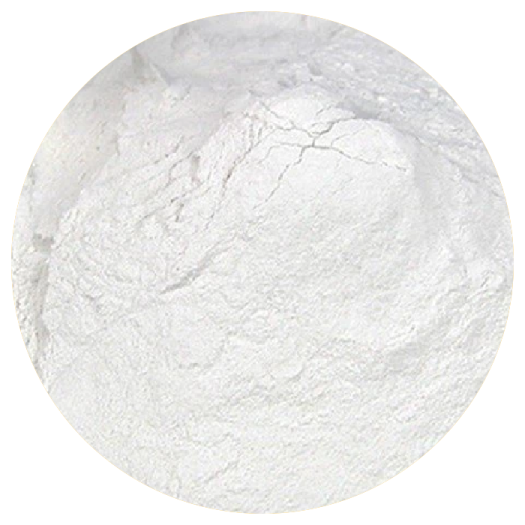
Magnesium Sulphate Anhydrous (MgSO₄) is widely used in industrial, agricultural, pharmaceutical, and chemical applications due to its high magnesium content and strong moisture-absorbing properties. In agriculture, it provides essential magnesium and sulfur for fertilizers and soil improvement. In animal feed, it can serve as a mineral source when formulated according to applicable standards. Industrially, anhydrous magnesium sulphate is commonly used as a drying agent for organic solvents and chemical processes. It is also used in textile processing, leather treatment, pulp and paper production, detergents, and specialty chemicals. Pharmaceutical and high-purity grades are used in controlled formulations and manufacturing processes. Learn More -
Sodium Magnesium Chlorophylin E140
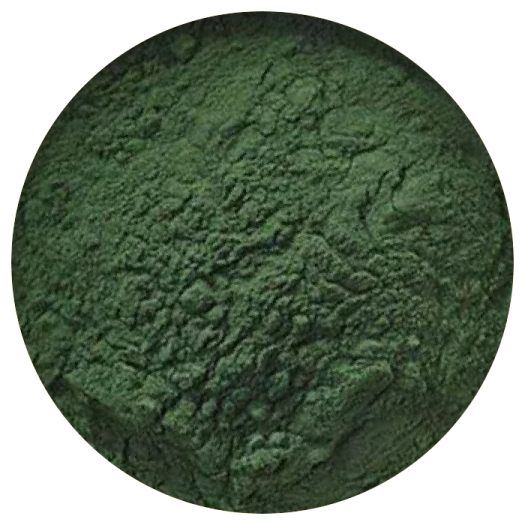
Sodium Magnesium Chlorophyllin (E140) is a natural green pigment commonly used as a food coloring agent. Derived from chlorophyll, it imparts a vibrant green hue to various food and beverage products. E140 is widely utilized in the food industry to enhance the visual appeal of items such as candies, sauces, and beverages. Beyond its coloring properties, Sodium Magnesium Chlorophyllin also serves as a nutritional supplement due to its association with chlorophyll, a plant pigment known for potential health benefits.
Learn More -
Sodium Carboxy Methyl Cellulose (CMC)
Drilling Fluids: CMC is utilized in the oil and gas industry as an additive in drilling fluids. It helps control fluid viscosity, reduce fluid loss, and improve wellbore stability during drilling operations. Learn More