




Raw Materials
Subscribe to RSS Feed-


Ammonium chloride
Ammonium chloride, a chemical compound with the formula NH4Cl, finds diverse applications across several industries. In the food industry, it serves as a food additive, contributing to the crispiness of snacks and enhancing flavor. In the medical field, it is used in cough medicines as an expectorant. Ammonium chloride also plays a crucial role in the manufacturing of dry cell batteries, acting as an electrolyte. Additionally, it is employed in the textile industry for dyeing processes and acts as a flux in soldering. Its versatile properties make ammonium chloride a valuable ingredient with applications ranging from food and medicine to industrial processes.
Learn More -
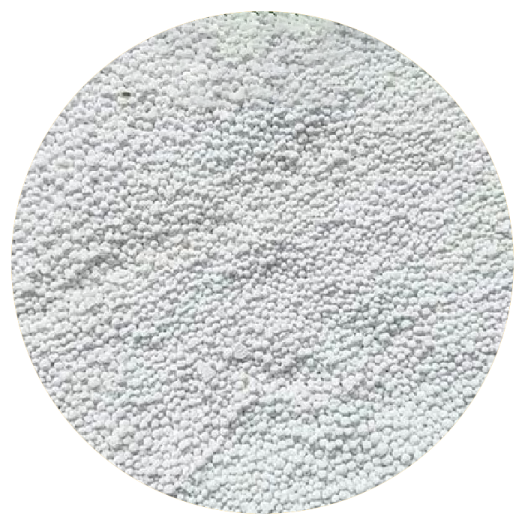
Calcium Chloride Anhydrous
Calcium Chloride Anhydrous is a chemical compound with the molecular formula CaCl2. It is a white, odorless, and highly soluble crystalline substance. This anhydrous form lacks water molecules and is hygroscopic, readily absorbing moisture from the surroundings. Widely used in diverse industries, it acts as a desiccant, de-icing agent, and a source of calcium ions. In industrial processes, it serves as a drying agent for gases and liquids. Due to its hygroscopic nature, it finds application in food preservation, as well as oil and gas drilling. Calcium Chloride Anhydrous plays a crucial role in various industrial and scientific applications.
Learn More -
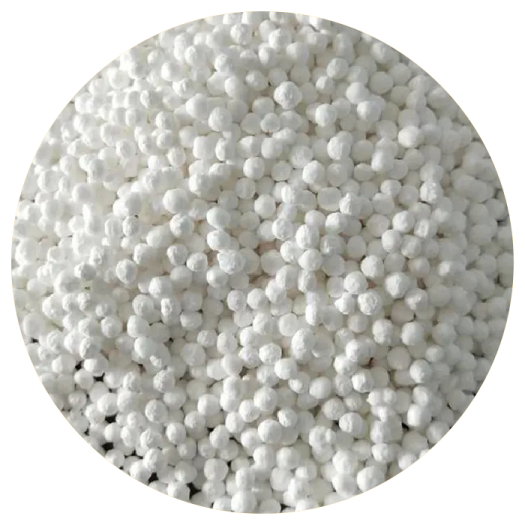
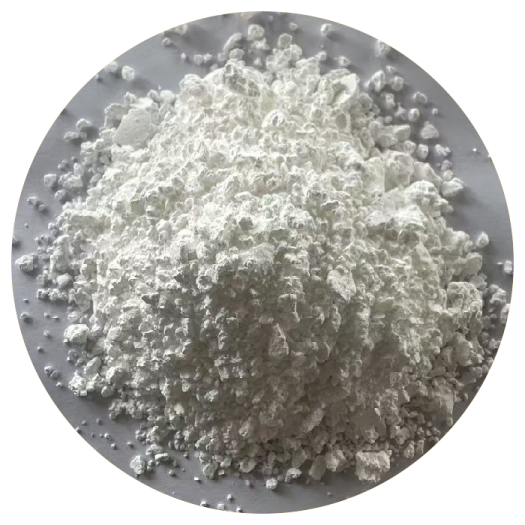
Calcium Chloride Dihydrate
Calcium Chloride Dihydrate (CaCl₂·2H₂O) is widely used across industries due to its hygroscopic properties and versatility. In **de-icing and dust control**, it’s applied on roads and construction sites to absorb moisture and prevent ice or dust buildup. In **food processing**, it serves as a firming agent and preservative, enhancing texture in products like canned vegetables. In **pharmaceuticals**, it’s used to treat calcium deficiencies and support cardiac function. Additionally, it’s utilized in **water treatment** to balance water hardness and in **concrete** as an accelerating agent, speeding up setting times. Its effective moisture absorption also makes it useful as a **drying agent** in various chemical applications.
Learn More -
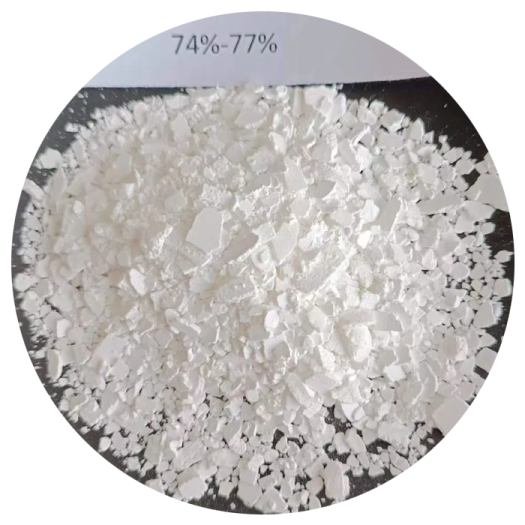
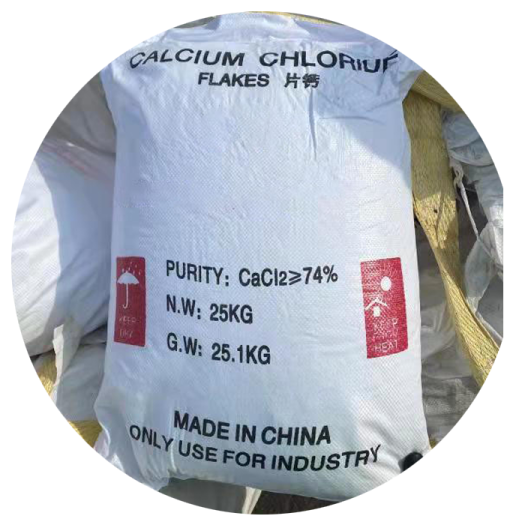
Calcium Chloride Dihydrate Flake
Calcium Chloride Dihydrate (CaCl₂·2H₂O) is widely used across industries due to its hygroscopic properties and versatility. In **de-icing and dust control**, it’s applied on roads and construction sites to absorb moisture and prevent ice or dust buildup. In **food processing**, it serves as a firming agent and preservative, enhancing texture in products like canned vegetables. In **pharmaceuticals**, it’s used to treat calcium deficiencies and support cardiac function. Additionally, it’s utilized in **water treatment** to balance water hardness and in **concrete** as an accelerating agent, speeding up setting times. Its effective moisture absorption also makes it useful as a **drying agent** in various chemical applications.
Learn More -
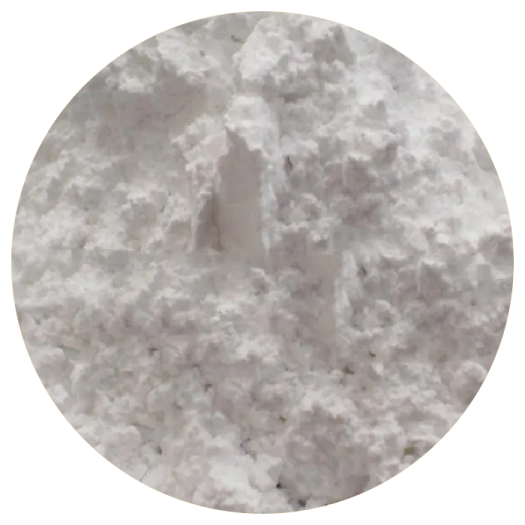
Calcium Hydroxide (Hydrated Lime)
Calcium Hydroxide, commonly known as Hydrated Lime, is a white, crystalline powder with the chemical formula Ca(OH)2. Derived from calcium oxide and water, it exhibits strong alkaline properties. Widely used in various industries, including construction and agriculture, hydrated lime plays a crucial role in soil stabilization, water treatment, and as a mortar additive. Its high reactivity and ability to absorb carbon dioxide make it valuable in environmental applications. As a food additive, it aids in preserving fruits and vegetables. With antimicrobial properties, hydrated lime finds applications in sanitation and wastewater treatment, showcasing its versatility across diverse fields.
Learn More -

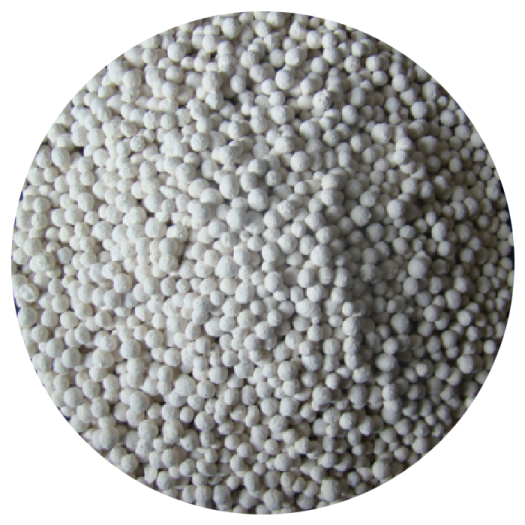
Kieserite/Magnesium Sulphate Monohydrate
Kieserite is widely used as a magnesium and sulfur fertilizer in agriculture, improving chlorophyll production, crop yield, and soil nutrition. It is suitable for fruits, vegetables, tea, tobacco, and field crops. It is also applied in animal feed, industrial processing, and water-soluble fertilizer formulations due to its high solubility and purity.
Learn More -
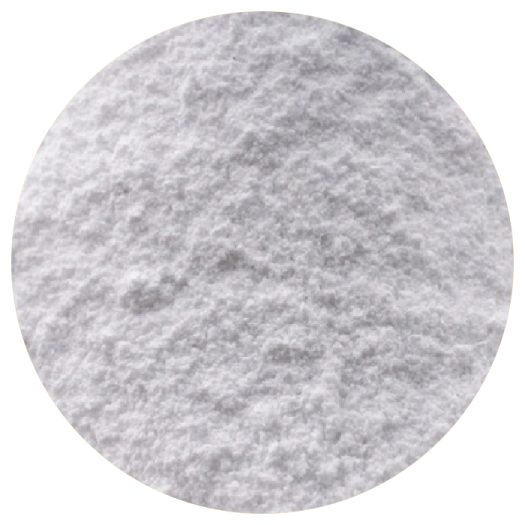

Magnesium Chloride
Magnesium chloride, a crystalline compound composed of magnesium and chlorine, holds significant industrial, medical, and environmental importance. Widely recognized for its hygroscopic nature, it readily absorbs moisture from the air, making it a potent de-icing agent for road surfaces. In the medical field, magnesium chloride is utilized in intravenous therapies to address magnesium deficiencies. Its versatility extends to various industrial processes, including the production of magnesium metal and the treatment of wastewater. Known for its water-soluble and deliquescent properties, magnesium chloride plays a crucial role in diverse applications, showcasing its effectiveness in both practical and scientific domains.
Learn More -
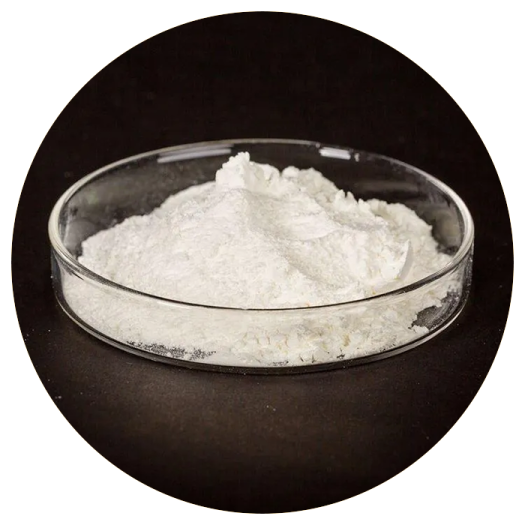
Magnesium Hydroxide
Magnesium hydroxide is a versatile compound primarily used as an antacid to relieve heartburn and indigestion. It acts by neutralizing stomach acid, providing fast relief from discomfort. Additionally, it is employed in wastewater treatment to remove heavy metals and as a flame retardant in plastics and textiles due to its high thermal stability. In the pharmaceutical industry, magnesium hydroxide is used in laxatives for its osmotic properties, helping to alleviate constipation. Its applications extend to agriculture, where it is utilized to correct soil acidity, promoting healthier crop growth.
Learn More -
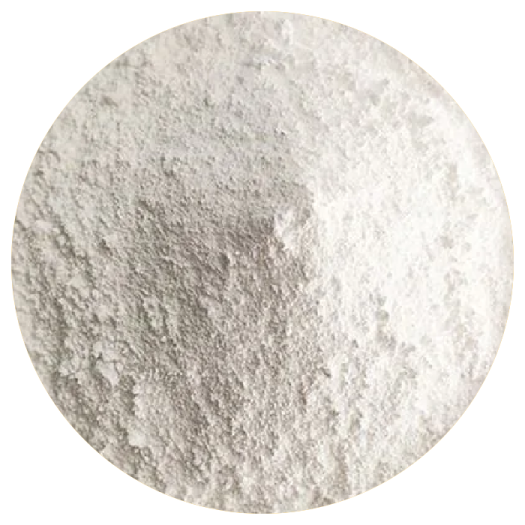
Magnesium sulfate monohydrate
Magnesium sulfate monohydrate, commonly known as Epsom salt, finds multifaceted usage across various domains. Primarily employed in agriculture as a soil fertilizer, it enhances plant growth and boosts nutrient absorption. In medicine, it serves as a laxative to relieve constipation and a remedy for magnesium deficiency. Its therapeutic properties extend to alleviating muscle soreness, inflammation, and stress in bath salts. Additionally, it acts as a coagulant in tofu production, a drying agent in organic synthesis, and a component in electrolyte replenishment solutions. Its versatility and affordability make it indispensable in diverse industrial, agricultural, medicinal, and household applications.
Learn More -
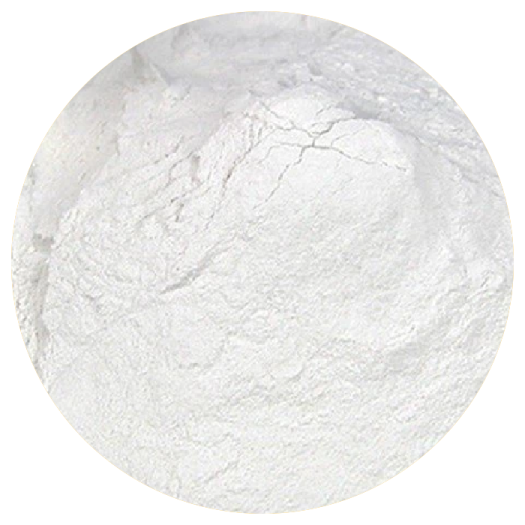
Magnesium Sulphate Anhydrous
Magnesium Sulphate Anhydrous (MgSO₄) is widely used in industrial, agricultural, pharmaceutical, and chemical applications due to its high magnesium content and strong moisture-absorbing properties. In agriculture, it provides essential magnesium and sulfur for fertilizers and soil improvement. In animal feed, it can serve as a mineral source when formulated according to applicable standards. Industrially, anhydrous magnesium sulphate is commonly used as a drying agent for organic solvents and chemical processes. It is also used in textile processing, leather treatment, pulp and paper production, detergents, and specialty chemicals. Pharmaceutical and high-purity grades are used in controlled formulations and manufacturing processes. Learn More - New
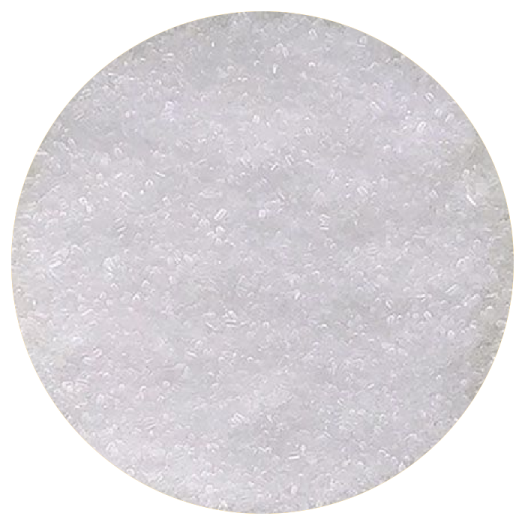
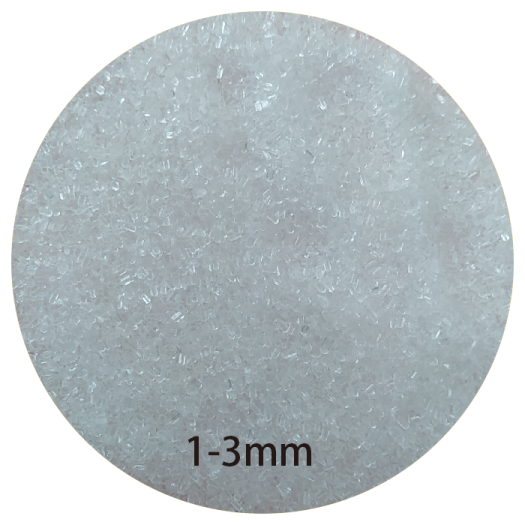
Magnesium sulphate heptahydrate
Magnesium sulfate heptahydrate, commonly known as Epsom salt, is a crystalline mineral with the chemical formula MgSO4·7H2O. This hydrated magnesium sulfate compound is renowned for its various applications. Its translucent crystals dissolve easily in water, making it an effective remedy for sore muscles and stress when added to baths. In agriculture, it serves as a magnesium and sulfur fertilizer. Additionally, it plays a crucial role in medicine, used as a saline laxative or in treating magnesium deficiency. With its wide-ranging uses, magnesium sulfate heptahydrate is a versatile compound, contributing to health, agriculture, and industrial applications.
Learn More -

Polyacrylamide (PAM)
Thickening Agent: In the oil and gas industry, polyacrylamide is used as a thickening agent in enhanced oil recovery processes. It increases the viscosity of water, improving its ability to carry proppants and enhancing oil recovery from reservoirs. Learn More
