



Categories
Subscribe to RSS Feed-
Polyanionic Cellulose (PAC)
CAS:9004-32-4,Drilling Fluid Additive: One of the primary uses of polyanionic cellulose is in the oil and gas industry as an additive in drilling fluids. It helps control the rheology of drilling fluids, preventing excessive fluid loss and maintaining stability in various downhole conditions. Learn More -
Potassium Acetate
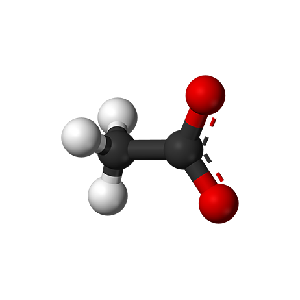
CAS:127-08-2,Potassium Acetate, a salt of acetic acid and potassium, finds application in diverse industries. In the realm of de-icing agents, it serves as an environmentally friendly alternative to traditional chloride-based solutions for airport runways and roads. Its low environmental impact stems from its biodegradability and reduced impact on vegetation. In the pharmaceutical industry, Potassium Acetate is utilized as a buffering agent in intravenous solutions, ensuring pH stability. Additionally, it plays a role in various chemical processes, acting as a catalyst and a precursor in the synthesis of specific compounds. The versatile properties of Potassium Acetate contribute to its wide-ranging industrial significance.
Learn More -
Potassium bicarbonate
CAS:298-14-6,Potassium bicarbonate, a versatile compound, finds application in various industries. In the food sector, it serves as a leavening agent in baking, contributing to the rise of dough. Its use in agriculture as a fungicide helps prevent and control mildew and other fungal infections on crops. In the pharmaceutical industry, potassium bicarbonate acts as an antacid to neutralize stomach acid. Additionally, it plays a crucial role in fire extinguishers, where it serves as an effective fire suppressant. The compound's multifaceted properties make it valuable in diverse contexts, ranging from culinary applications to agricultural and safety-related uses.
Learn More -
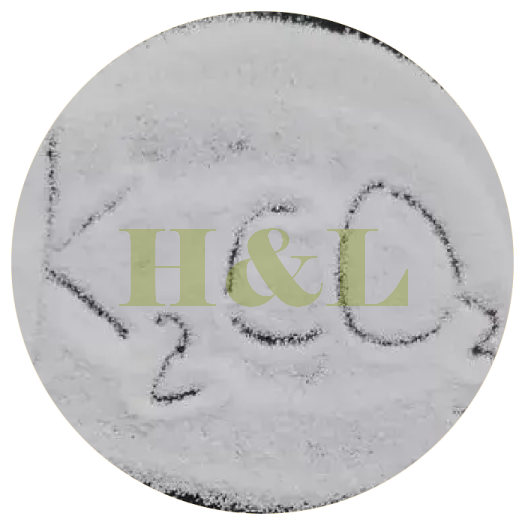
Potassium Carbonate
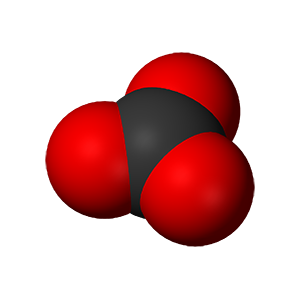
CAS:584-08-7,Potassium carbonate, a white, odorless powder, finds versatile applications across industries. In the realm of chemistry, it acts as a crucial reagent in various reactions, particularly as a pH regulator and buffering agent. In the agricultural sector, it is utilized as a source of potassium, an essential nutrient for plant growth. The food industry employs potassium carbonate as an alkaline agent in cocoa processing and to regulate acidity in certain products. Additionally, it serves as a key ingredient in the production of soap and glass, showcasing its significance in manufacturing processes. Potassium carbonate's diverse applications highlight its pivotal role in chemistry, agriculture, and manufacturing.
Learn More -
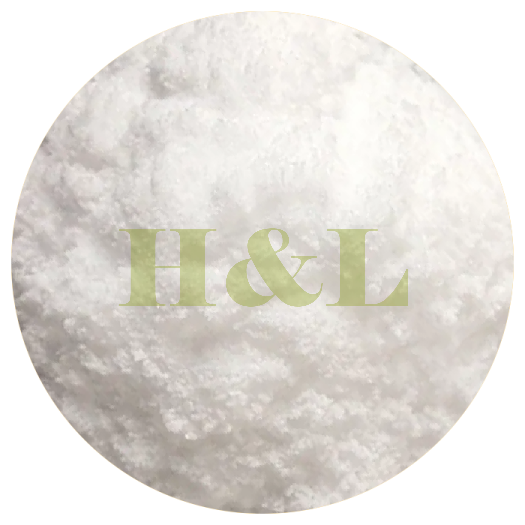
Potassium Chloride
CAS:7447-40-7,Potassium chloride, a crystalline salt composed of potassium and chlorine, plays a pivotal role in various applications. Commonly used as a salt substitute in food, it also serves as a critical nutrient for plant growth in agriculture. In medicine, potassium chloride is administered intravenously to address potassium deficiencies. With its ability to conduct electricity when dissolved in water, it finds applications in scientific experiments and laboratory settings. Despite its essential roles, excessive consumption can pose health risks, and it is crucial to regulate intake. Potassium chloride's diverse applications underscore its significance in agriculture, healthcare, and scientific research.
Learn More -
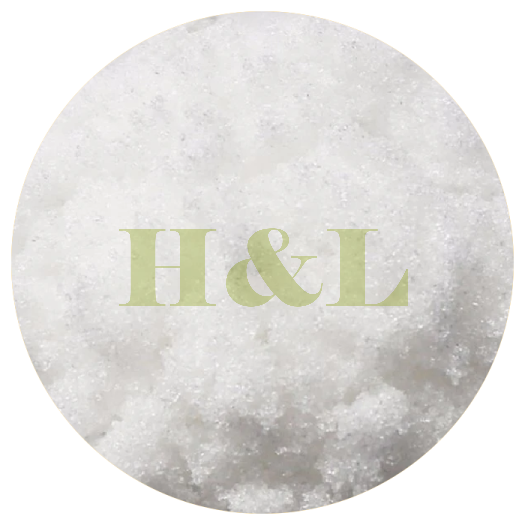
Potassium Citrate
CAS:866-84-2,Potassium Citrate, a salt of citric acid and potassium, serves various essential roles in different applications. In the medical field, it is commonly prescribed to manage kidney stones by alkalinizing urine, preventing crystal formation. As a food additive, it acts as a buffering agent, regulating acidity and enhancing flavor stability in certain processed foods and beverages. In the pharmaceutical industry, Potassium Citrate is utilized in the formulation of effervescent tablets. Its alkalizing properties also find application in the prevention of gout. Additionally, Potassium Citrate is employed in the cosmetic industry for its pH-balancing and stabilizing attributes in skincare formulations.
Learn More -
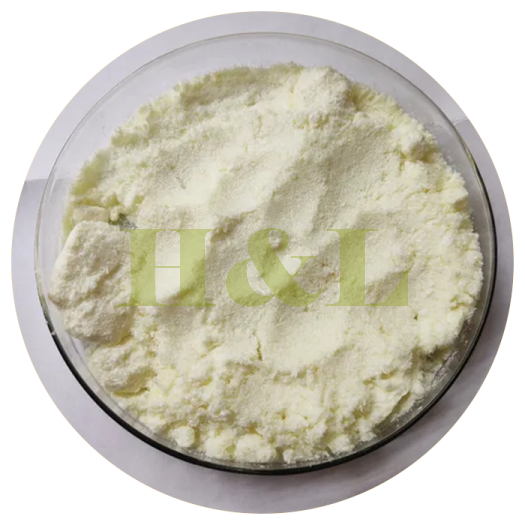
Potassium Ferrocyanide
CAS:14459-95-1,Potassium ferrocyanide, a yellow crystalline compound, is primarily used in various applications. In the food industry, it serves as an anti-caking agent in salt and a food additive (E535). In the laboratory, it is utilized in analytical chemistry for colorimetric analysis and as a reagent in the synthesis of other compounds. Additionally, it plays a role in the production of blue pigments, particularly Prussian blue, and in electroplating processes. Its stability and versatility make it valuable across multiple sectors, including agriculture, manufacturing, and art.
Learn More -
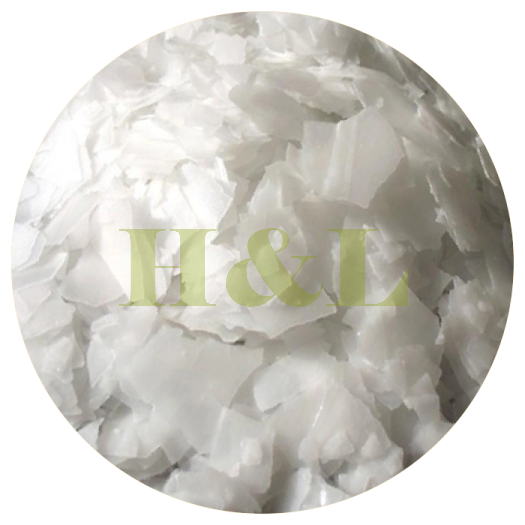
Potassium Hydroxide
CAS:1310-58-3,Potassium Hydroxide (KOH), a potent alkali, is an inorganic compound with the chemical formula KOH. Also known as caustic potash, it exists as a white, hygroscopic solid with strong alkaline properties. Often produced through electrolysis of potassium chloride, KOH is a crucial chemical in various industries. It serves as a base in the manufacture of soaps, detergents, and industrial cleaning agents. Additionally, it plays a vital role in the production of potassium salts, pharmaceuticals, and biodiesel. While highly reactive and corrosive, potassium hydroxide is fundamental in many chemical processes, showcasing its significance in diverse applications.
Learn More -
Potassium Metaphosphate
CAS:7790-53-6,Potassium metaphosphate, a chemical compound, finds application primarily in the food industry as a food additive and emulsifier. Its role lies in enhancing the stability and texture of processed food products, particularly in meat and seafood processing. As a sequestrant, it prevents discoloration and maintains the freshness of these products. Additionally, potassium metaphosphate is employed in water treatment processes, acting as a dispersant and preventing scale formation. Its versatility extends to various industrial applications where it serves as a buffering agent, contributing to the overall efficiency and performance of diverse processes, including those in the agricultural and textile industries.
Learn More -
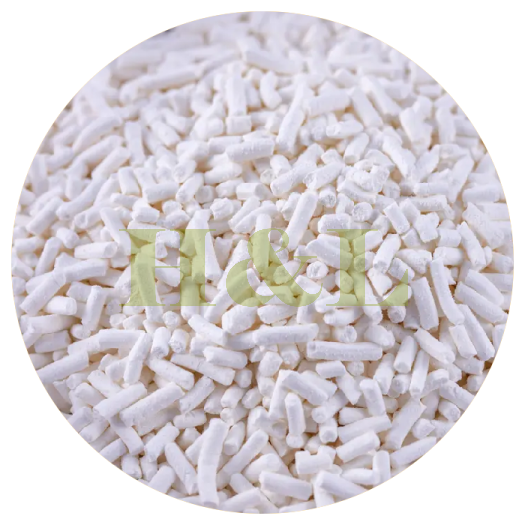
Potassium Sorbate
CAS:24634-61-5,Potassium sorbate, a widely used food preservative, is a salt of sorbic acid. With the chemical formula C6H7KO2, it inhibits the growth of molds, yeasts, and bacteria, extending the shelf life of various food products. Known for its effectiveness in preventing spoilage, potassium sorbate is particularly prevalent in items like cheese, wine, yogurt, and baked goods. It works by disrupting the microbial cell membranes, hindering their reproduction. Recognized for its safety and minimal impact on taste, color, and texture, potassium sorbate is an essential ingredient in the food industry to maintain product freshness and quality.
Learn More -
Propionic Acid
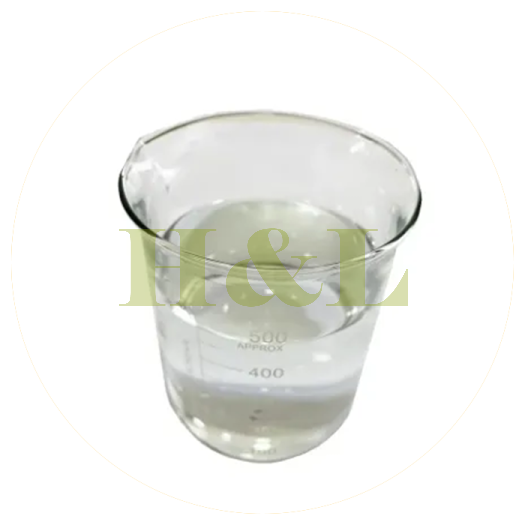
CAS:79-09-4,Propionic acid is a colorless liquid with a pungent odor, primarily used as a preservative in food products, preventing mold and bacterial growth. It is also utilized in the production of various chemicals, including herbicides, plasticizers, and pharmaceuticals. Additionally, propionic acid serves as a key ingredient in animal feed to enhance gut health and promote growth in livestock. Its versatility extends to the manufacturing of personal care products and cosmetics, where it acts as a preservative and pH regulator. Overall, propionic acid plays a significant role in food safety and various industrial applications.
Learn More -
Riboflavin (vitamin B2)
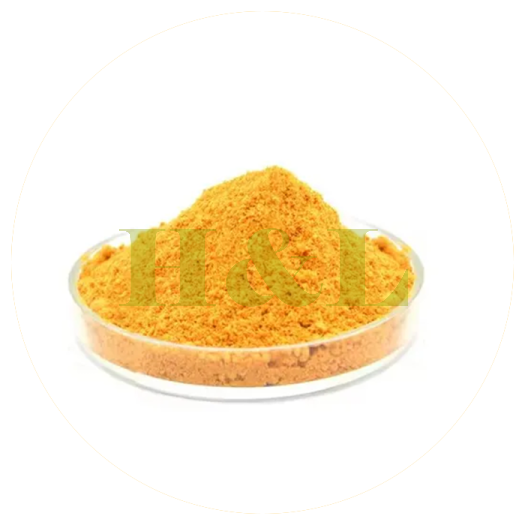
CAS:83-88-5,Riboflavin, also known as vitamin B2, plays a crucial role in energy production and the metabolism of fats, drugs, and steroids. It is essential for the maintenance of healthy skin, eyes, and nerve functions. Riboflavin is commonly used as a dietary supplement to prevent or treat riboflavin deficiency, which can lead to symptoms like sore throat, redness, and swelling of the lining of the mouth and throat, cracks on the outsides of the lips, and inflammation of the tongue. It is also used in fortified foods and beverages to enhance nutritional value and support overall health.
Learn More
