



Categories
Subscribe to RSS Feed-
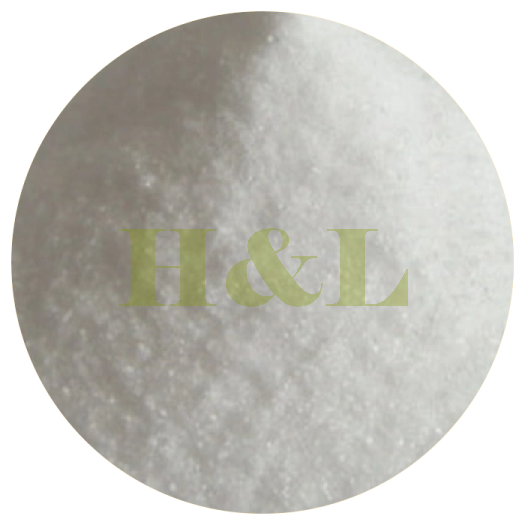
Sodium Propionate
CAS:137-40-6,Sodium propionate is a food additive and preservative, commonly represented by the chemical formula C3H5NaO2. As the sodium salt of propionic acid, it is renowned for its antimicrobial properties, inhibiting the growth of molds and bacteria in various food products. Widely used in the bakery industry to prevent mold formation and extend shelf life, sodium propionate is effective at low concentrations. Recognized as safe by regulatory authorities, it plays a crucial role in maintaining the freshness and quality of baked goods while ensuring consumer safety. Its versatility and efficacy make sodium propionate a key component in food preservation strategies.
Learn More -


Sodium Saccharin
CAS:6155-57-3,Sodium saccharin is an artificial sweetener used to enhance the flavor of various food and beverage products. Commonly found in diet sodas, sugar-free candies, and low-calorie snacks, it is approximately 300 to 400 times sweeter than sugar. Saccharin is often used in products for individuals managing calorie intake, such as those with diabetes or those seeking weight loss. It is stable under heat, making it suitable for cooking and baking, although its taste may be perceived as slightly bitter when used in high concentrations.
Learn More -

Sodium Salicylate
CAS:54-21-7,Sodium salicylate is commonly used as a non-steroidal anti-inflammatory drug (NSAID) for its analgesic and antipyretic properties. It is often prescribed to alleviate pain, reduce inflammation, and lower fever. In addition to its medicinal uses, sodium salicylate is utilized in the production of various topical formulations and as a preservative in some cosmetic products. It also serves as a reagent in laboratories for various chemical analyses. Care should be taken when using sodium salicylate, as it may cause side effects in sensitive individuals, particularly those with salicylate allergies.
Learn More -
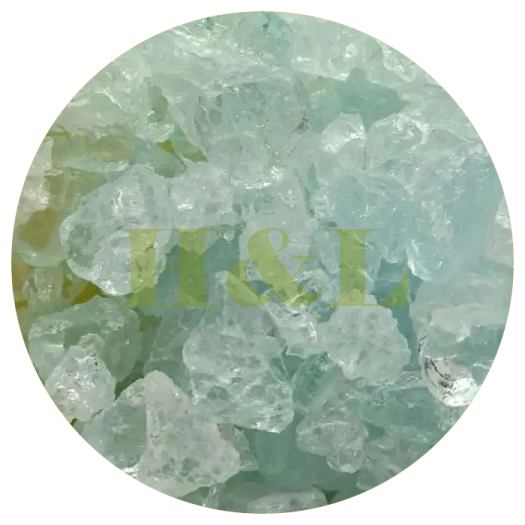
Sodium Silicate
CAS:1344-09-8,Sodium silicate, commonly known as pyrophorine, is an inorganic substance, the chemical formula is Na2O·nSiO2, its aqueous solution is commonly known as water glass, is a kind of mineral adhesive. Its chemical formula is Na2O·nSiO2, which is a soluble inorganic silicate and has a wide range of uses.
Learn More -
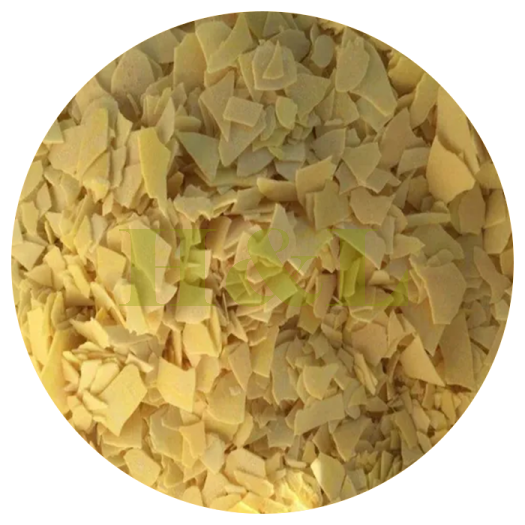
Sodium Sulfide
CAS:1313-82-2,Sodium Sulfide is widely used in the leather industry for dehairing and tanning processes. It serves as a reducing agent in dye production and plays a key role in textile manufacturing for bleaching and desulfurizing. In the paper and pulp industry, it aids in breaking down lignin during the kraft process. Additionally, sodium sulfide is utilized in water treatment to remove heavy metals and in the mining industry to separate ores by flotation. Its versatility also extends to the production of various chemicals and pharmaceuticals, making it essential across diverse industries.
Learn More -
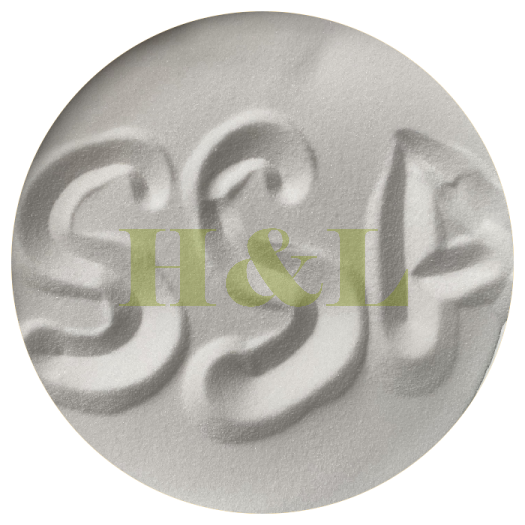
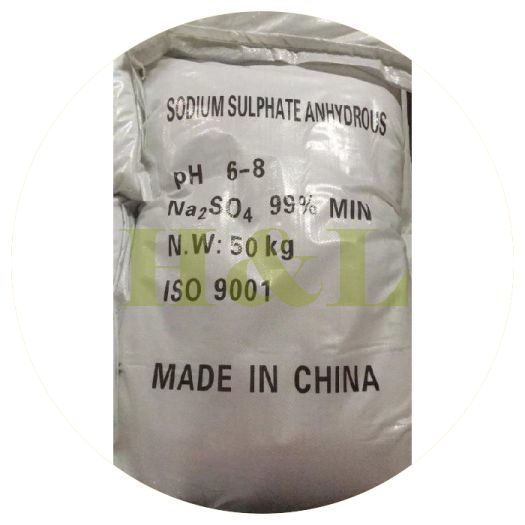
Sodium Sulphate Anhydrous
CAS:7757-82-6,Anhydrous sodium sulfate (Na2SO4) is primarily used in various industries due to its excellent properties as a drying agent and a filler. In the chemical industry, it serves as a carrier for dyes and a medium in chemical reactions. It is commonly used in the manufacturing of detergents and glass, where it helps enhance the quality and stability of the products. Additionally, anhydrous sodium sulfate is employed in the paper industry and as a desiccant in laboratories to remove moisture from organic solvents. Its versatility makes it an essential compound in multiple applications.
Learn More -
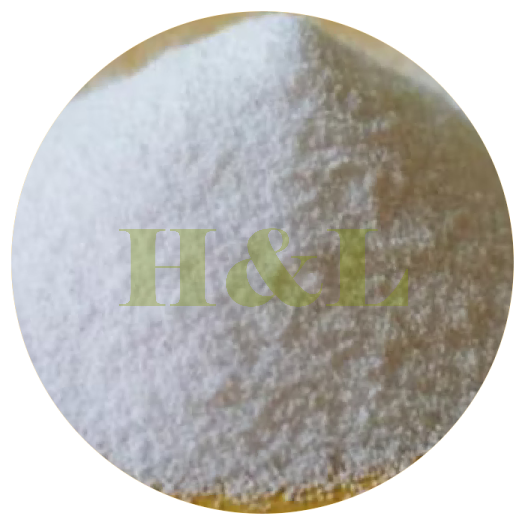
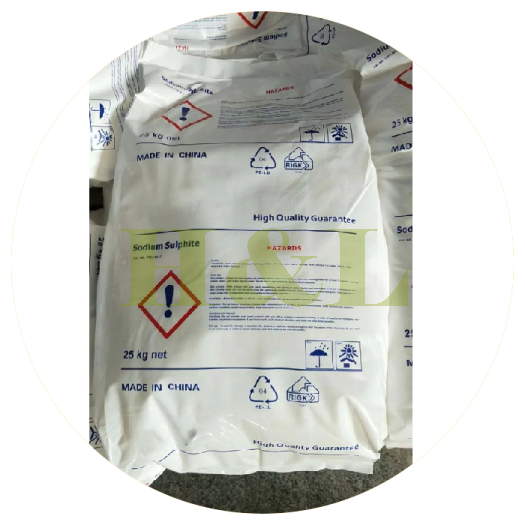
Sodium Sulphite Anhydrous
CAS:7757-83-7,Sodium Sulfite Anhydrous is widely used as a reducing agent and preservative across various industries. In **food processing**, it acts as an antioxidant to preserve color and flavor in dried fruits, vegetables, and meats. In the **photography** industry, it stabilizes developer solutions and prevents oxidation. For **water treatment**, it removes excess chlorine in wastewater and drinking water. It’s also used in **pulp and paper** production to prevent oxidative yellowing, and in **textiles** to bleach wool and silk. Additionally, in **chemical synthesis**, it functions as an oxygen scavenger, improving the stability of sensitive compounds.
Learn More -
Sodium Tetraborate Decahydrate (Borax)
CAS:1303-96-4,Sodium tetraborate decahydrate, commonly known as borax, is a white, odorless, crystalline compound with the chemical formula Na2B4O7·10H2O. It possesses remarkable properties: it's soluble in water, acts as a buffering agent, and exhibits antifungal and insecticidal properties. Borax finds wide application in household cleaning products, as a laundry booster, and as a flux in metallurgy. It's a crucial component in making slime and plays a role in some industrial processes like glass and ceramic production. However, caution is warranted as excessive exposure can cause irritation and toxicity. Overall, borax serves as a versatile and indispensable compound in various fields.
Learn More -

Sodium Tripolyphosphate (STPP)
CAS:7758-29-4,Sodium Tripolyphosphate (STPP) is a versatile chemical compound with various applications. Primarily employed as a builder in detergent formulations, STPP enhances the cleaning efficiency of laundry and dishwashing products by preventing the deposition of dirt on fabrics and surfaces. In the food industry, it acts as a preservative and emulsifier, improving the texture and shelf life of processed meats and seafood. Additionally, STPP finds utility in water treatment processes, serving as a scale inhibitor to prevent the formation of deposits in pipes and boilers. Its multifunctional properties make Sodium Tripolyphosphate a valuable ingredient in diverse industrial and household applications.
Learn More -

Sorbic Acid
CAS:110-44-1,Sorbic acid is a widely used organic compound, primarily recognized for its role as a food preservative. It effectively inhibits the growth of molds, yeasts, and some bacteria, making it ideal for extending the shelf life of various food products, including baked goods, cheese, and beverages. Beyond the food industry, sorbic acid is also employed in cosmetics and personal care products to prevent spoilage and maintain quality. Additionally, it finds applications in the production of plastics and as a fungicide in agricultural settings, showcasing its versatility across multiple sectors.
Learn More -
Sorbitol
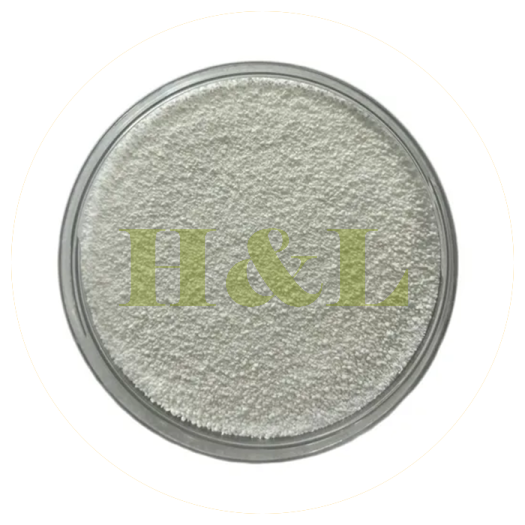
CAS:50-70-4,Sorbitol is a versatile sugar alcohol widely used as a sweetener in food products, particularly in sugar-free and low-calorie items. It serves as a humectant, helping to retain moisture in cosmetics and personal care products. Additionally, sorbitol is utilized in pharmaceuticals for its laxative properties and as a stabilizer in certain formulations. Its ability to enhance flavor and provide a cooling sensation makes it popular in candies and chewing gums, contributing to a wide range of applications across various industries.
Learn More -
Soy Lecithin
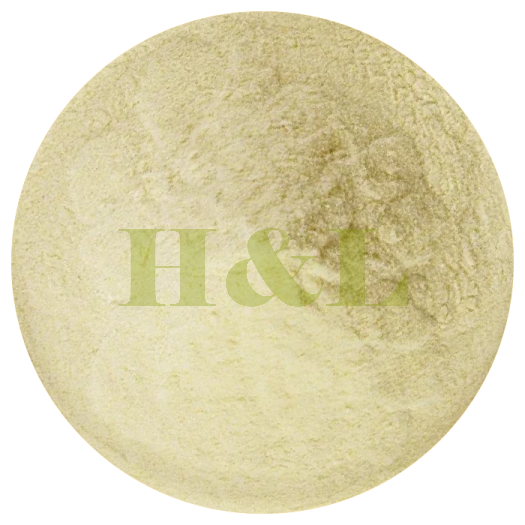
CAS:8002-43-5,Soy lecithin is a versatile food additive and emulsifier derived from soybeans. It is commonly used in the food industry to improve the texture and stability of products like chocolates, margarine, baked goods, and salad dressings. Additionally, it helps prevent ingredients from separating and enhances the smoothness of sauces and spreads. Beyond food, soy lecithin is found in dietary supplements, cosmetics, and pharmaceuticals, where it serves as a stabilizer and emulsifier. Its health benefits include supporting brain function and cardiovascular health due to its phospholipid content.
Learn More
