
Search results for: 'calcium to/'
- New
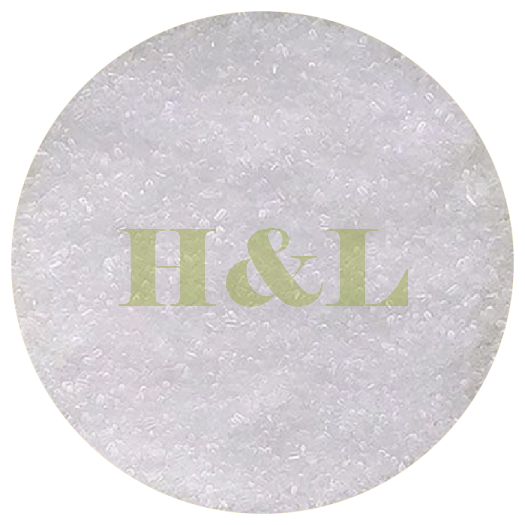

Magnesium sulphate heptahydrate
CAS:10034-99-8,Magnesium sulfate heptahydrate, commonly known as Epsom salt, is a crystalline mineral with the chemical formula MgSO4·7H2O. This hydrated magnesium sulfate compound is renowned for its various applications. Its translucent crystals dissolve easily in water, making it an effective remedy for sore muscles and stress when added to baths. In agriculture, it serves as a magnesium and sulfur fertilizer. Additionally, it plays a crucial role in medicine, used as a saline laxative or in treating magnesium deficiency. With its wide-ranging uses, magnesium sulfate heptahydrate is a versatile compound, contributing to health, agriculture, and industrial applications.
Learn More -
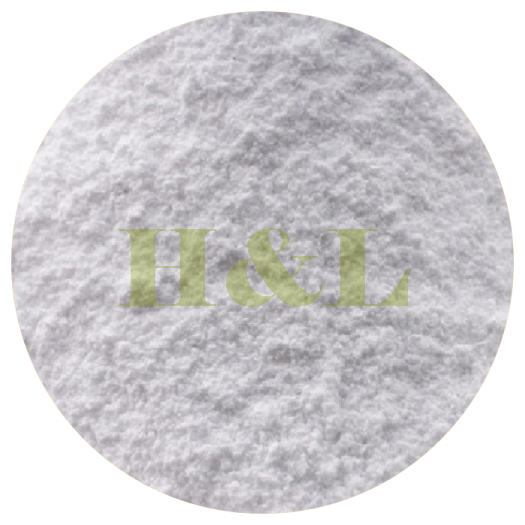
Magnesium Chloride
CAS:7791-18-6,Magnesium chloride, a crystalline compound composed of magnesium and chlorine, holds significant industrial, medical, and environmental importance. Widely recognized for its hygroscopic nature, it readily absorbs moisture from the air, making it a potent de-icing agent for road surfaces. In the medical field, magnesium chloride is utilized in intravenous therapies to address magnesium deficiencies. Its versatility extends to various industrial processes, including the production of magnesium metal and the treatment of wastewater. Known for its water-soluble and deliquescent properties, magnesium chloride plays a crucial role in diverse applications, showcasing its effectiveness in both practical and scientific domains.
Learn More -
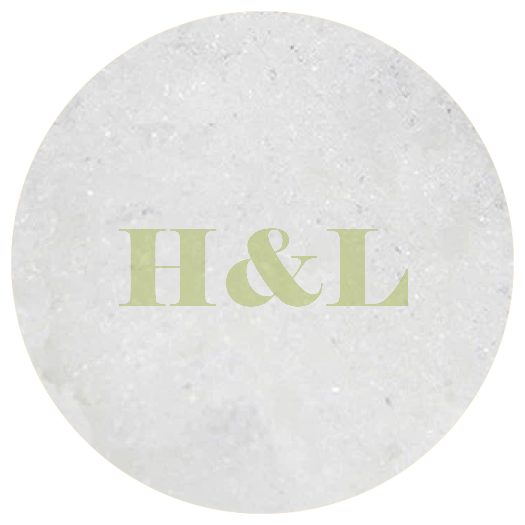
Potassium Nitrate
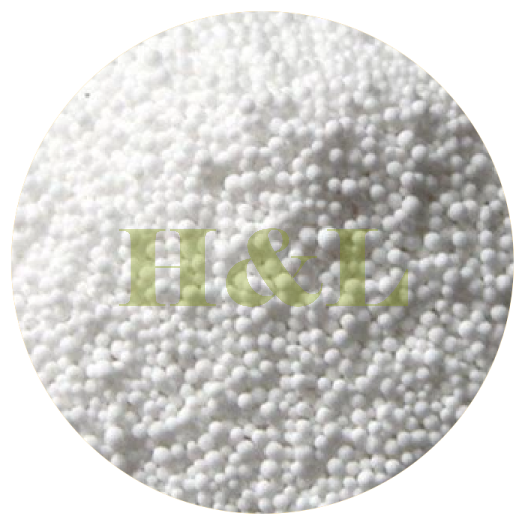
CAS:7757-79-1,Potassium nitrate, a compound with the formula KNO3, finds versatile applications. In agriculture, it serves as a fertilizer, providing essential nitrogen and potassium to plants, enhancing growth and yield. Its presence in gunpowder formulations contributes to explosive properties. In the food industry, it acts as a preservative, particularly in cured meats, preventing bacterial growth and enhancing flavor. Potassium nitrate also plays a role in pyrotechnics, providing the oxygen required for combustion in fireworks. Additionally, it serves in certain medical applications, such as toothpaste for sensitivity relief. Its diverse uses underscore its significance in agriculture, industry, and everyday life.
Learn More -
Sodium Metabisulphite
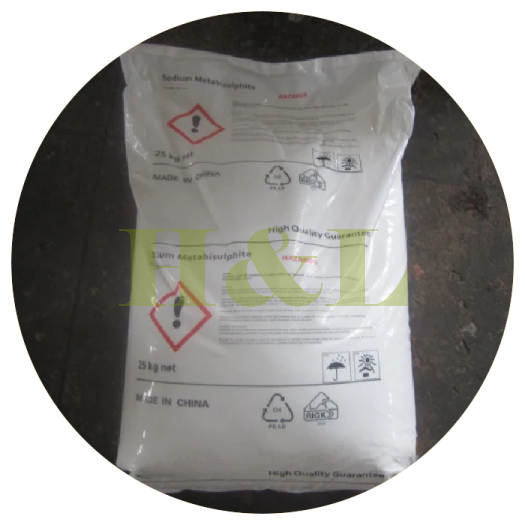
CAS:7681-57-4,Sodium metabisulfite is widely used as a preservative and antioxidant in various industries. In the food industry, it prevents spoilage, browning, and discoloration in dried fruits, juices, and wine by inhibiting microbial growth. In water treatment, it removes excess chlorine. In the textile industry, it serves as a bleaching agent for cotton and wool, while in photography, it's used to develop and fix images. Additionally, it's employed in mining for ore flotation and in pharmaceuticals for maintaining stability in certain formulations. Its reducing properties make it valuable in many chemical processes.
Learn More -
Stearic Acid
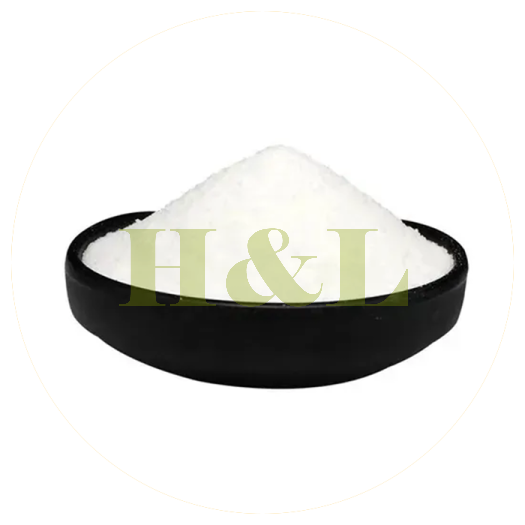
CAS:57-11-4,Stearic acid is a saturated fatty acid commonly used in various industries. In cosmetics and personal care products, it serves as an emulsifier, thickener, and stabilizer, helping to improve texture and consistency. In the food industry, it is used as a food additive, primarily as a hardening agent in confectionery. Additionally, stearic acid is utilized in the production of candles, lubricants, and soaps. Its properties make it an essential ingredient for enhancing product performance and stability across multiple applications.
Learn More -
Sodium Nitrite
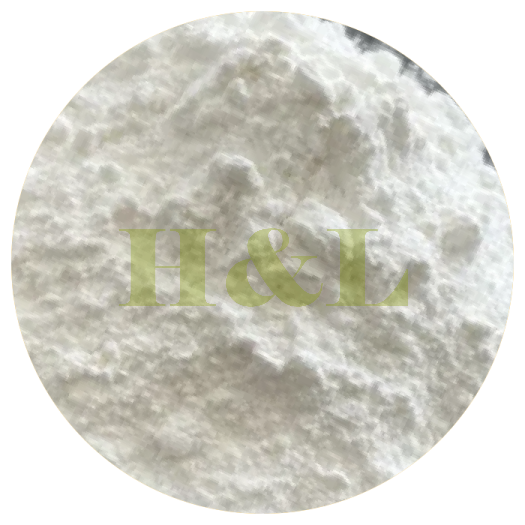
CAS:7632-00-0,Sodium nitrite is primarily used as a food preservative and color fixative in processed meats, such as bacon, ham, and sausages. It helps inhibit the growth of harmful bacteria, particularly Clostridium botulinum, and enhances the reddish-pink color of cured meats. Beyond food applications, sodium nitrite is used in the production of dyes and as a reagent in various chemical processes. In medicine, it serves as an antidote for cyanide poisoning. However, its use is regulated due to potential health risks when consumed in large quantities.
Learn More -
Stevia Glycoside
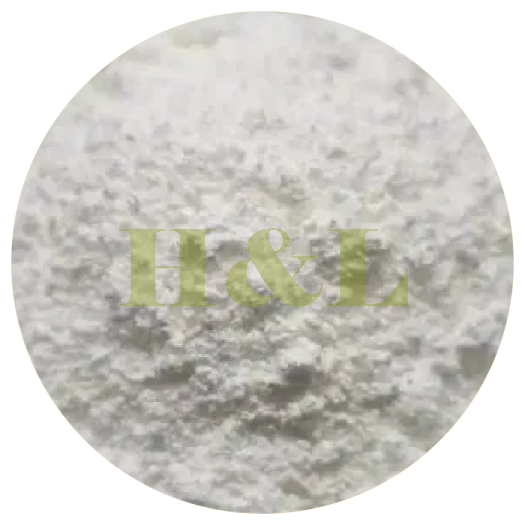
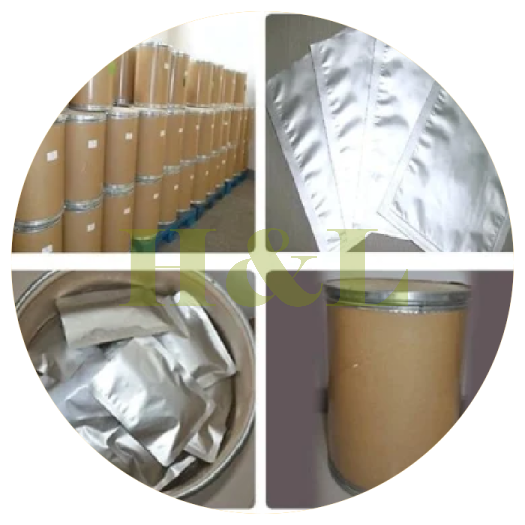
CAS:57817-89-7,Stevia glycosides are natural sweeteners derived from the leaves of the Stevia rebaudiana plant. They are used primarily as sugar substitutes in various food and beverage products, including soft drinks, desserts, and condiments. Stevia glycosides are much sweeter than sugar, requiring only small amounts to achieve desired sweetness, making them popular among those seeking low-calorie or sugar-free options. Additionally, they have no impact on blood glucose levels, making them suitable for diabetics. Stevia is also praised for its natural origin and potential health benefits, such as antioxidant properties.
Learn More -
Ethylene Glycol Monostearate (EGMS)
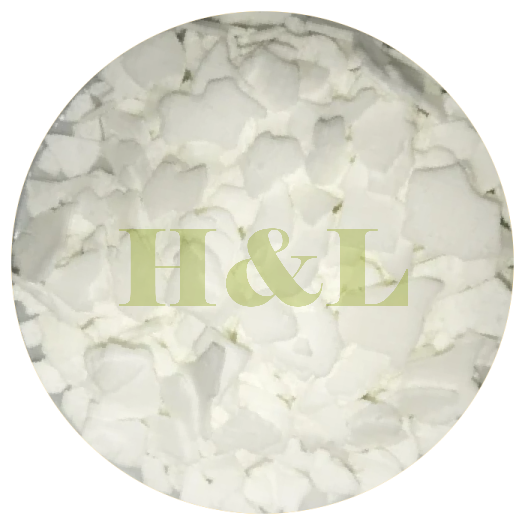
CAS:111-60-4,EGMS (Ethylene Glycol Mono Stearate) is primarily used as an emulsifier and stabilizer in food and cosmetic formulations. In the food industry, it helps improve texture and consistency in products such as margarine, sauces, and dressings. In cosmetics, EGMS acts as a surfactant, enhancing the spreadability of creams and lotions. Additionally, it is utilized in pharmaceuticals for its ability to enhance the solubility of active ingredients. EGMS is valued for its effectiveness in creating stable emulsions, making it a versatile ingredient across various industries.
Learn More -
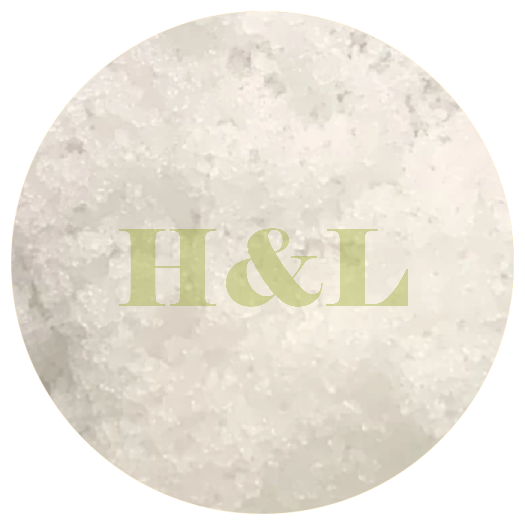

Zinc Sulfate heptahydrate
CAS:7446-20-0,Zinc sulfate heptahydrate is a crystalline compound with the chemical formula ZnSO4·7H2O. Recognized for its white or colorless appearance, it is a hydrated form of zinc sulfate. This compound contains seven water molecules within its structure, contributing to its heptahydrate designation. Widely used in agriculture as a fertilizer and soil additive, zinc sulfate heptahydrate provides essential zinc nutrients to plants. Additionally, it serves various industrial purposes, such as water treatment and the production of pigments and dyes. Its versatility and water solubility make it a valuable compound in different applications, particularly in addressing zinc deficiencies in both plants and animals.
Learn More -
Talc Powder
CAS:14807-96-6,Talc powder is a versatile mineral used in various industries. In cosmetics, it serves as a filler and absorbent, enhancing the texture of products like powders and creams. In the pharmaceutical sector, it acts as a lubricant and anti-caking agent in tablets. Talc is also utilized in the food industry as an anti-caking agent and for coating. Additionally, it plays a crucial role in plastics, rubber, and ceramics, improving their durability and finish. Its properties make it valuable in industrial applications, contributing to the performance and quality of numerous products.
Learn More -
Silica Sol
CAS:7631-86-9,Silica sol, a colloidal suspension of silica particles in water, is widely used in various applications due to its unique properties. It serves as a binding agent in the production of ceramics, coatings, and refractories, enhancing strength and durability. In the chemical industry, silica sol acts as a catalyst support and in polishing applications, particularly for glass and semiconductors. Additionally, it is employed in the food industry for clarifying beverages and as an anti-caking agent. Its versatility and eco-friendliness make silica sol an essential material across numerous sectors.
Learn More -

Trichloroisocyanuric Acid (TCCA)
CAS:87-90-1,Trichloroisocyanuric Acid (TCCA) is widely used as a disinfectant, bleaching agent, and sanitizer. In water treatment, it’s applied to sanitize swimming pools and drinking water, effectively killing bacteria, algae, and other microorganisms. TCCA also serves as a bleaching agent in textile and paper industries, ensuring color fastness and brightness. Its strong oxidizing properties make it suitable for controlling microbial contamination in aquaculture. Additionally, it is used in sanitizing industrial and household water systems. TCCA offers a stable, slow-release of chlorine, making it a cost-effective and efficient choice for disinfection and cleaning purposes
Learn More