
Search results for: 'calcium to/'
-

Barium Hydroxide Octahydrate
CAS:12230-71-6,Barium Hydroxide Octahydrate is primarily used in analytical chemistry for the determination of sulfate and other anions through precipitation methods. It serves as a reagent in the synthesis of barium-containing compounds and in various industrial processes. Additionally, this compound is utilized in the production of lubricants, and as a catalyst in organic reactions. Its properties make it valuable in laboratories for titration processes and in manufacturing applications, including the production of glass and ceramics, where it helps improve product quality. Proper handling and safety measures are essential due to its caustic nature.
Learn More -
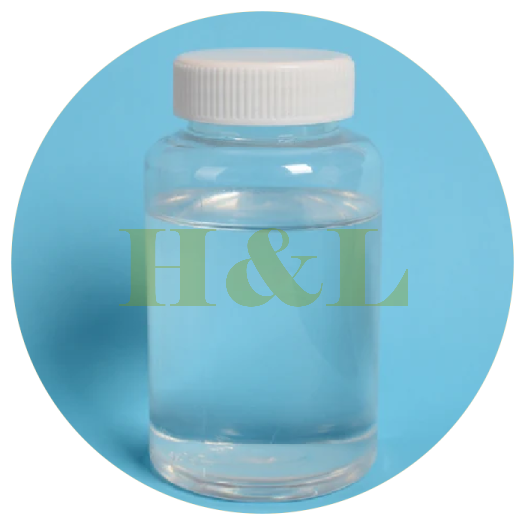
Methyl Salicylate
CAS:119-36-8,Methyl salicylate is an organic ester commonly used in topical pain relief products, such as ointments and creams, for muscle and joint pain relief. It is often found in sports rubs and liniments due to its analgesic and anti-inflammatory properties. Additionally, methyl salicylate is used as a flavoring agent in foods and beverages, providing a minty taste. Its pleasant aroma also makes it a popular ingredient in perfumes and fragrances. However, it should be used with caution, as it can cause skin irritation in some individuals.
Learn More -
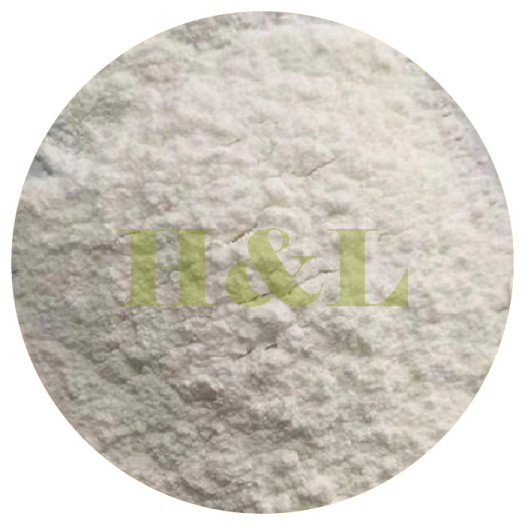
Sodium aluminate
CAS:11138-49-1,Sodium aluminate is a white crystalline solid with the chemical formula NaAlO2. It's a compound formed by the reaction of sodium hydroxide and aluminum oxide. Sodium aluminate is highly soluble in water, yielding an alkaline solution. It's utilized in various industrial processes, including wastewater treatment, papermaking, and as a catalyst in organic synthesis. Its alkalinity makes it effective in water treatment for precipitation of heavy metals and controlling pH. In papermaking, it enhances paper strength and sizing. Additionally, it serves as a stabilizer in dyeing processes and finds applications in manufacturing zeolites and fireproofing materials due to its high temperature stability.
Learn More -
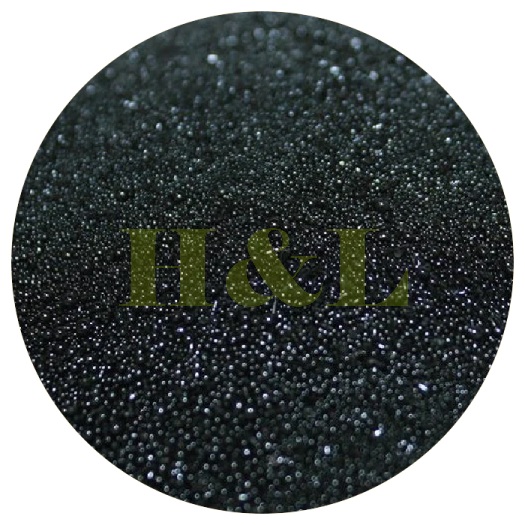
Oxidized asphalt
CAS:8052-42-4,Oxidized asphalt, a modified form of bitumen, undergoes a controlled air-blowing process that enhances its physical properties. This transformation results in a more durable and weather-resistant material, suitable for various applications. With increased viscosity and improved elasticity, oxidized asphalt finds extensive use in the construction industry, particularly in roofing, pavement sealing, and waterproofing. The oxidation process imparts the asphalt with enhanced resistance to aging and environmental factors, making it an ideal choice for long-lasting infrastructure projects. Its versatility, affordability, and robust performance make oxidized asphalt a crucial component in the development of resilient and sustainable structures.
Learn More -
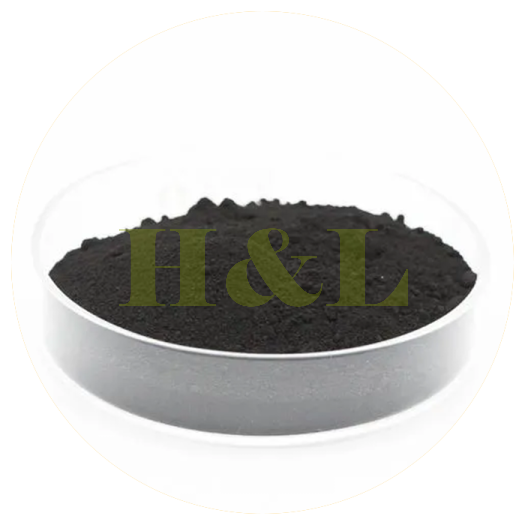
Manganese Dioxide
CAS:1313-13-9,Manganese dioxide (MnO₂) is a versatile compound with several important uses. It is primarily utilized in the production of dry cell batteries, such as alkaline and zinc-carbon batteries, where it acts as a cathode material. Additionally, MnO₂ is employed as a catalyst in various chemical reactions, including the synthesis of organic compounds and the decomposition of hydrogen peroxide. It also serves as a pigment in ceramics and glass manufacturing, providing a rich, dark color. Furthermore, manganese dioxide is used in water treatment processes to remove impurities and in the production of ferromanganese alloys.
Learn More -
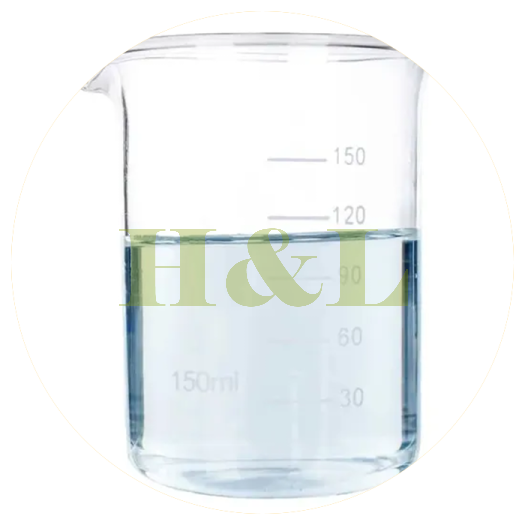
Ethyl Alcohol
CAS:64-17-5,Ethyl alcohol, also known as ethanol, is widely used in various applications. Primarily, it serves as an essential ingredient in alcoholic beverages. In industrial settings, it functions as a solvent for paints, varnishes, and perfumes. Ethanol is also a key component in the production of personal care products, such as hand sanitizers and disinfectants. Furthermore, it is utilized as a fuel additive to enhance octane ratings and reduce emissions. Additionally, ethyl alcohol is employed in laboratories for sterilization and as a reagent in chemical synthesis. Its versatility makes it a crucial substance across multiple industries.
Learn More -
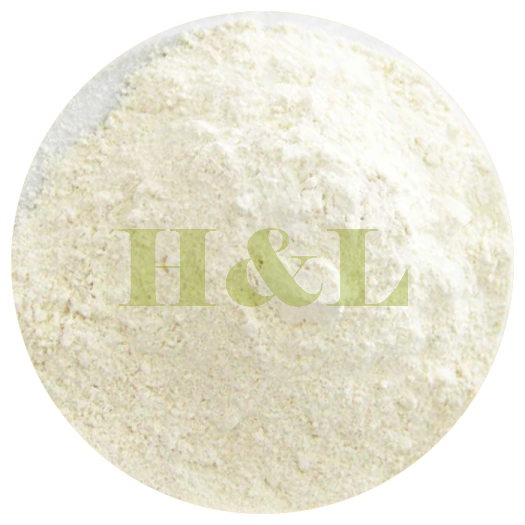
Allicin
CAS:539-86-6,Allicin is a bioactive compound derived from garlic (Allium sativum) known for its numerous health benefits. Primarily, it is used for its antimicrobial properties, effective against bacteria, viruses, and fungi. Allicin is also recognized for its cardiovascular benefits, helping to lower blood pressure and cholesterol levels. Additionally, it has antioxidant properties, which may protect cells from damage. Allicin can be consumed in various forms, including raw garlic, supplements, or as a part of culinary dishes. Its potential therapeutic effects make it popular in natural medicine for enhancing overall health.
Learn More -
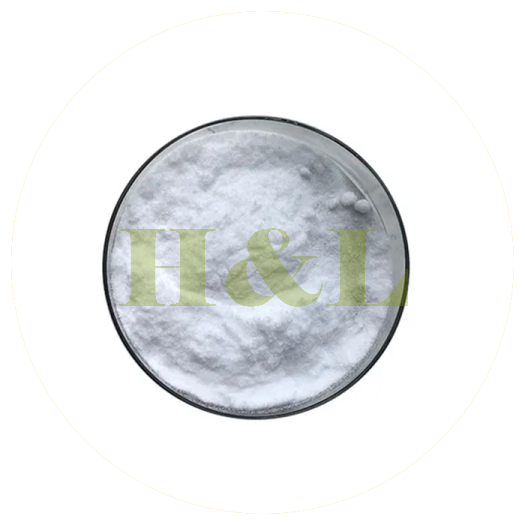
PDV salt
CAS:7647-14-5,PDV salt, or Pure De-Ionized Vacuum Salt, is widely used in various industries due to its high purity and low moisture content. It is primarily employed in the food industry as a seasoning and preservative, enhancing flavor and extending shelf life. In the chemical industry, PDV salt serves as a key raw material for producing chlorine, caustic soda, and other essential chemicals. Additionally, it is utilized in water treatment processes, de-icing roads in winter, and in pharmaceutical applications for its controlled quality. Its versatility makes it a vital component across multiple sectors.
Learn More -
Miconazole Nitrate
CAS:22832-87-7,Miconazole nitrate is an antifungal medication used to treat various fungal infections, including athlete's foot, ringworm, and yeast infections. It works by inhibiting the growth of fungi and disrupting their cell membrane. Miconazole is available in various forms, including creams, powders, and oral gels, making it suitable for topical application on the skin or mucous membranes. It is commonly used in both over-the-counter and prescription products, providing effective relief from itching, redness, and discomfort associated with fungal infections.
Learn More -
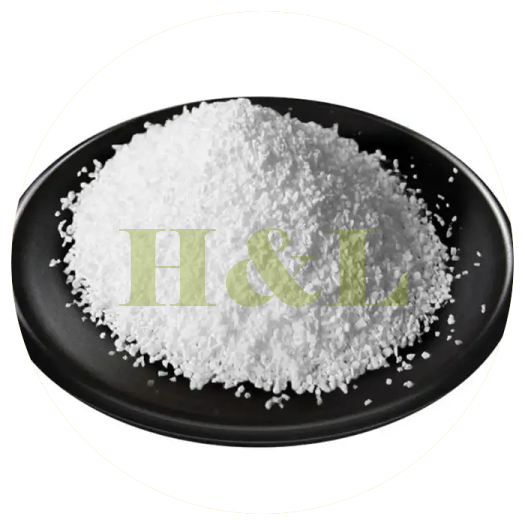
Sodium Hypochloride
CAS:7681-52-9,Sodium hypochlorite is a versatile chemical widely used as a disinfectant and bleaching agent. It is commonly found in household cleaning products and laundry detergents, effectively killing bacteria, viruses, and fungi on surfaces. In water treatment, it is used to disinfect drinking water and swimming pools. Additionally, sodium hypochlorite is employed in the food industry for sanitizing equipment and surfaces. Its bleaching properties make it effective in the textile and paper industries for brightening fabrics and pulp. Overall, sodium hypochlorite plays a crucial role in hygiene, sanitation, and industrial processes.
Learn More -
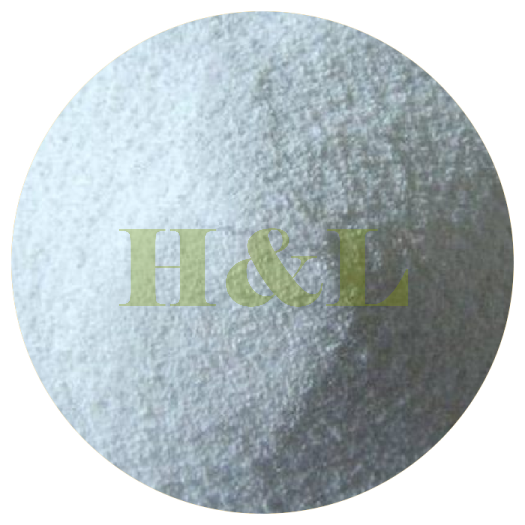
Sodium Diacetate
CAS:126-96-5,Sodium Diacetate is a versatile compound extensively used in the food industry as a preservative and flavor enhancer. Combining acetic acid and sodium acetate, it acts as an effective antimicrobial agent, preventing the growth of bacteria and fungi in food products. Its dual functionality as a preservative and flavoring agent makes it particularly valuable in bakery goods, snacks, and meat products. Sodium Diacetate also imparts a tangy taste, resembling vinegar, contributing to the overall sensory appeal of various processed foods. Its convenience and efficiency in extending shelf life make it a widely embraced additive in the food manufacturing sector.
Learn More -
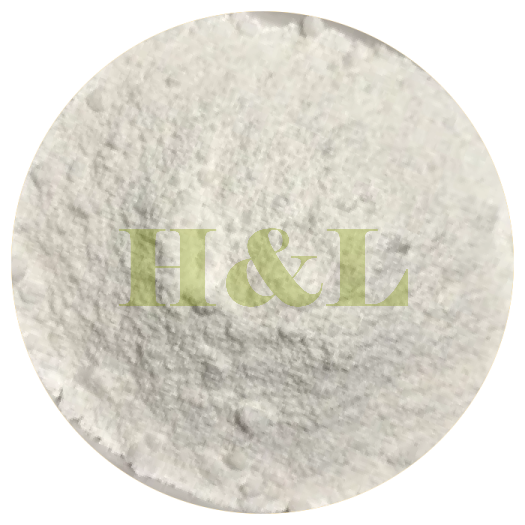
Acyclovir
CAS:59277-89-3,Acyclovir is an antiviral medication primarily used to treat infections caused by certain types of viruses, especially herpes simplex and varicella-zoster virus. It is effective in managing conditions such as genital herpes, cold sores, shingles, and chickenpox. Acyclovir works by inhibiting viral replication, thereby reducing the severity and duration of outbreaks. It can be administered orally, topically, or intravenously, depending on the severity of the infection. Early treatment with acyclovir can help prevent complications and promote faster healing.
Learn More