
Search results for: 'calcium to/'
-

Zinc Acetate Dihydrate
CAS:5970-45-6,Zinc Acetate Dihydrate, a chemical compound with the formula Zn(CH₃COO)₂·2H₂O, finds versatile applications across various industries. Primarily used in the pharmaceutical sector, it serves as a key ingredient in throat lozenges and cold remedies due to its antiviral properties. In the textile industry, Zinc Acetate Dihydrate acts as a catalyst in the production of acetate fibers. Its effectiveness as a corrosion inhibitor makes it valuable in the metal finishing and plating processes. Furthermore, it is employed in the synthesis of other zinc compounds, showcasing its significance in chemical research and development.
Learn More -
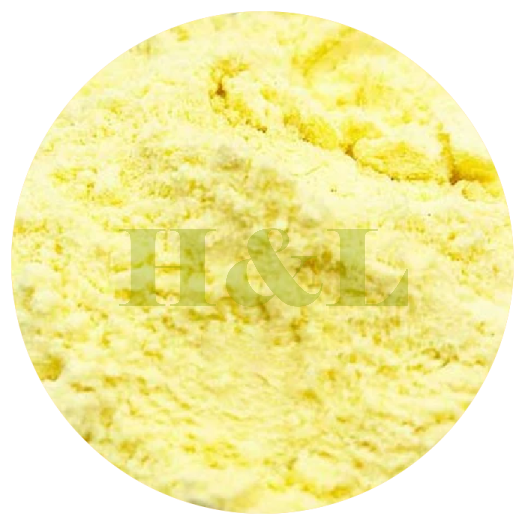
Hydroxypropyl guar
CAS:39421-75-5,Hydroxypropyl guar is a modified form of guar gum, derived from guar beans. This water-soluble polymer is created by introducing hydroxypropyl groups to the guar gum molecule, enhancing its performance in various applications. Known for its exceptional thickening and stabilizing properties, hydroxypropyl guar finds extensive use in industries like personal care, agriculture, and oil drilling. It exhibits improved solubility and viscosity control, making it a preferred choice in formulations for shampoos, lotions, and hydraulic fracturing fluids. The modified structure of hydroxypropyl guar enhances its versatility, providing efficient solutions in diverse sectors where thickening and binding capabilities are crucial.
Learn More -

Ammonium Dihydrogen Phosphate
CAS:7722-76-1,Ammonium Dihydrogen Phosphate, a chemical compound with the formula NH₄H₂PO₄, serves multiple purposes across various industries. In agriculture, it acts as a fertilizer, supplying essential nutrients like phosphorus and nitrogen to plants. As a flame retardant, it finds application in the manufacturing of fire-resistant materials. In the realm of analytical chemistry, it is utilized as a buffer solution. Moreover, Ammonium Dihydrogen Phosphate is employed in the synthesis of other chemicals and as a corrosion inhibitor in certain industrial processes. Its versatility makes it a valuable component in agriculture, manufacturing, and chemical research.
Learn More -

L-ascorbic acid (Vitamin C)
CAS:50-81-7,L-ascorbic acid, commonly known as Vitamin C, is a vital nutrient with various uses. It plays a crucial role in collagen synthesis, promoting healthy skin and wound healing. As a powerful antioxidant, it protects cells from oxidative stress and supports the immune system. In skincare, L-ascorbic acid brightens the complexion, reduces signs of aging, and helps fade hyperpigmentation. Additionally, it enhances iron absorption from plant-based foods. It can be consumed through fruits like oranges and strawberries or taken as a dietary supplement to maintain optimal health.
Learn More -
Barium Carbonate
CAS:513-77-9,Barium carbonate (BaCO₃) is primarily used in the manufacturing of glass and ceramics, where it acts as a flux to lower melting temperatures and enhance strength. It is also utilized in the production of barium compounds, such as barium sulfate, which is important in medical imaging and various industrial applications. Additionally, barium carbonate serves as a precursor in the synthesis of various barium salts and is employed in the oil and gas industry for drilling fluids. Its unique properties make it valuable in diverse applications across multiple industries.
Learn More -
Hydroxy Propyl Methyl Cellulose (HPMC)
CAS:9004-65-3,Hydroxy Propyl Methyl Cellulose (HPMC) is a versatile cellulose derivative widely used in various industries. In construction, it acts as a thickener and water-retaining agent in mortars and plasters, enhancing workability. In the pharmaceutical sector, HPMC serves as a binding agent in tablets and a film-forming agent in coatings. It is also used in food products as a stabilizer and emulsifier, contributing to texture and shelf-life. Additionally, HPMC finds applications in cosmetics and personal care products for its thickening and moisturizing properties, making it an essential ingredient in many formulations.
Learn More -
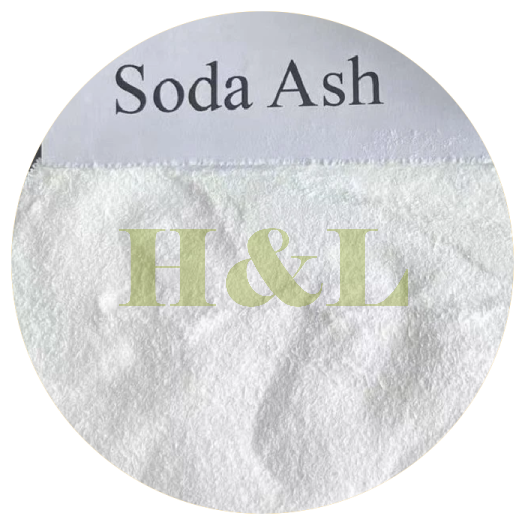
Sodium Carbonate (Soda ash)
CAS:497-19-8,pH Adjustment: Soda ash is used in water treatment processes to adjust the pH of water. It can help neutralize acidic water and improve its quality. Learn More -
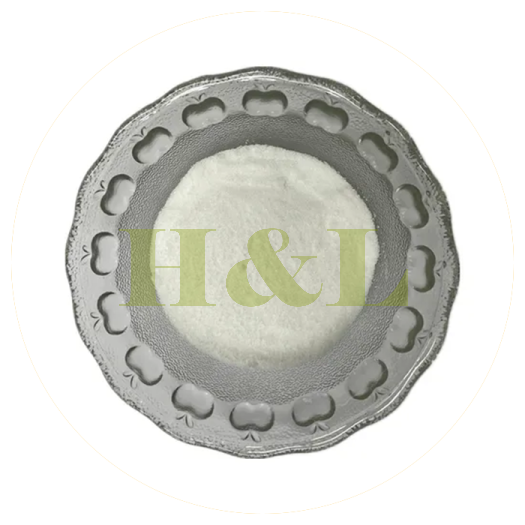
Sodium chlorite
CAS:7758-19-2,Sodium chlorite is primarily used as a disinfectant and bleaching agent. In water treatment, it effectively eliminates bacteria, viruses, and algae, making it essential for potable water purification. Additionally, it serves in the paper and textile industries for bleaching processes. In food processing, sodium chlorite is utilized to sanitize equipment and surfaces. Furthermore, it has applications in the production of chlorine dioxide, which is a powerful oxidizing agent used in various industrial processes. Its antimicrobial properties also make it valuable in healthcare settings for cleaning and disinfecting. Always handle with care, following safety guidelines.
Learn More -

Barium Hydroxide Anhydrous
CAS:17194-00-2,Barium Hydroxide Anhydrous is primarily used in various industrial applications, including the production of lubricants, ceramics, and glass. It serves as a reagent in chemical synthesis, particularly in the preparation of barium salts. Additionally, it is utilized in the refining of oils and fats, as well as in the manufacture of certain pharmaceuticals. Barium Hydroxide Anhydrous is also employed in analytical chemistry for the determination of sulfate ions. Its properties as a strong base make it valuable for neutralizing acids in various chemical processes. Safety precautions should be observed due to its toxic nature.
Learn More -
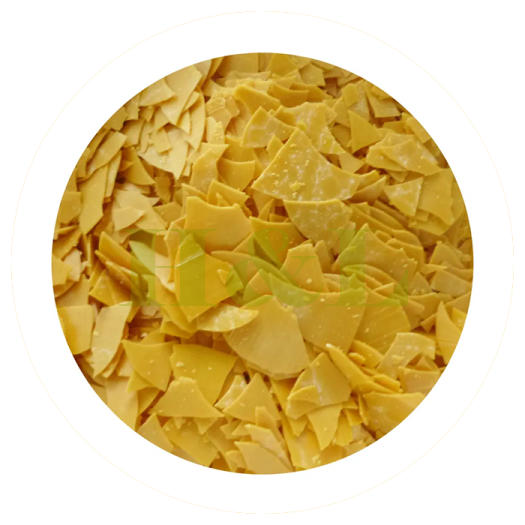
Sodium Hydrosulfide
CAS:16721-80-5,Sodium hydrosulfide (NaHS) is primarily used in various industrial applications. It serves as a reducing agent in chemical processes, particularly in the mining industry for extracting metals from ores. NaHS is also utilized in the production of paper and pulp, where it helps in the delignification process. Additionally, it finds applications in the textile industry for dyeing and printing fabrics. Furthermore, sodium hydrosulfide is employed in water treatment to remove heavy metals and sulfide odors. Its versatility makes it an important compound across multiple sectors
Learn More -
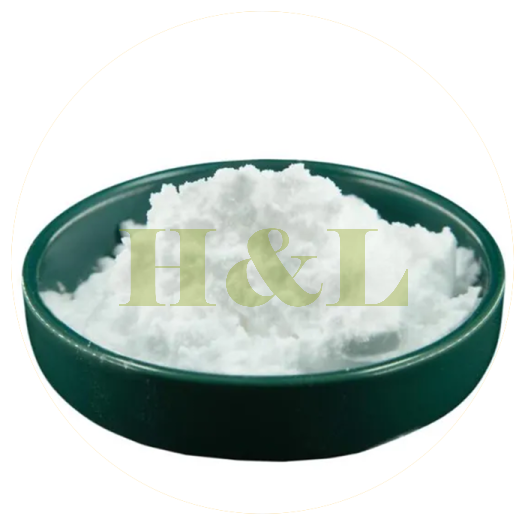
Vitamin B6
CAS:65-23-6,Vitamin B6, also known as pyridoxine, plays a crucial role in various bodily functions. It is essential for amino acid metabolism, neurotransmitter synthesis, and the production of hemoglobin. This vitamin supports immune function and is involved in the regulation of mood and cognitive abilities. Vitamin B6 is commonly used to alleviate symptoms of premenstrual syndrome (PMS), promote cardiovascular health, and assist in the management of certain neurological disorders. Additionally, it helps reduce homocysteine levels, which can lower the risk of heart disease. A balanced diet including foods like fish, poultry, bananas, and whole grains typically provides sufficient vitamin B6.
Learn More -
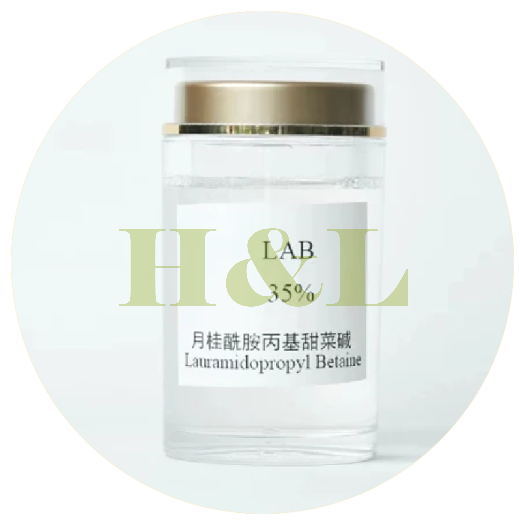
Lauramidopropy Betaine (LAB)
CAS:4292-10-8,Lauramidopropyl betaine (LAB) is a surfactant and conditioning agent widely used in personal care and cosmetic products. It serves as a mild cleanser and thickener in shampoos, body washes, and facial cleansers, enhancing foaming and cleansing properties. LAB also acts as a moisturizing agent, improving skin and hair texture. Its compatibility with other surfactants makes it ideal for formulating gentle formulations suitable for sensitive skin. Additionally, LAB has applications in industrial products, including agricultural and textile formulations, due to its biodegradable nature and low toxicity.
Learn More