
Search results for: 'magnesium sulphate o'
-
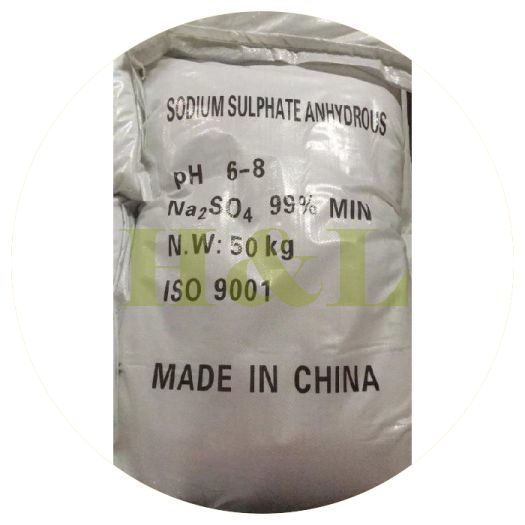
Sodium Sulphate Anhydrous
CAS:7757-82-6,Anhydrous sodium sulfate (Na2SO4) is primarily used in various industries due to its excellent properties as a drying agent and a filler. In the chemical industry, it serves as a carrier for dyes and a medium in chemical reactions. It is commonly used in the manufacturing of detergents and glass, where it helps enhance the quality and stability of the products. Additionally, anhydrous sodium sulfate is employed in the paper industry and as a desiccant in laboratories to remove moisture from organic solvents. Its versatility makes it an essential compound in multiple applications.
Learn More -

Magnesium nitrate hexahydrate
CAS:13446-18-9,Magnesium nitrate hexahydrate, a chemical compound with the formula Mg(NO3)2·6H2O, finds various applications. Primarily, it serves as a dehydrating agent in organic synthesis, aiding in the removal of water from various compounds. In agriculture, it's utilized as a foliar spray to rectify magnesium deficiencies in plants, promoting growth and chlorophyll production. Its hygroscopic nature makes it useful in humidity control systems and desiccators. Additionally, it acts as a catalyst in certain chemical reactions and plays a role in the production of fireworks, due to its ability to produce intense white light when burned.
Learn More -
Magnesium sulfate monohydrate
CAS:14168-73-1,Magnesium sulfate monohydrate, commonly known as Epsom salt, finds multifaceted usage across various domains. Primarily employed in agriculture as a soil fertilizer, it enhances plant growth and boosts nutrient absorption. In medicine, it serves as a laxative to relieve constipation and a remedy for magnesium deficiency. Its therapeutic properties extend to alleviating muscle soreness, inflammation, and stress in bath salts. Additionally, it acts as a coagulant in tofu production, a drying agent in organic synthesis, and a component in electrolyte replenishment solutions. Its versatility and affordability make it indispensable in diverse industrial, agricultural, medicinal, and household applications.
Learn More -
Trimagnesium Phosphate
CAS:7757-87-1,Trimagnesium phosphate, composed of magnesium and phosphate ions, serves various purposes in different industries. In the food industry, it acts as a pH regulator, stabilizing agents in dairy products, and a leavening agent in baked goods. In pharmaceuticals, it's employed as a binder in tablet formulations. Additionally, trimagnesium phosphate finds applications in water treatment as a coagulant and in the cosmetics industry as a thickening agent. Its versatile nature and compatibility with different processes make it a valuable ingredient in various manufacturing sectors, contributing to the quality and functionality of end products.
Learn More -
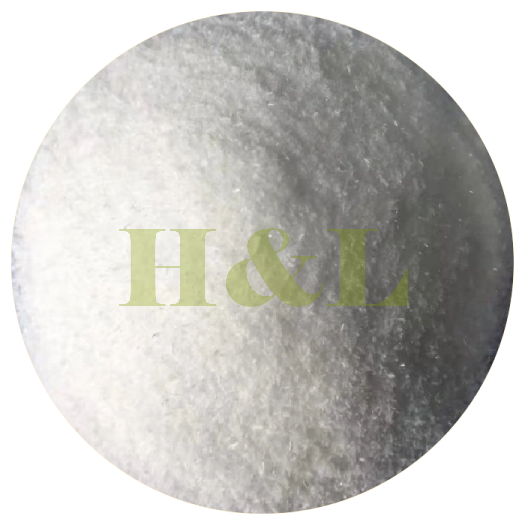
Ammonium oxalate monohydrate
CAS:6009-70-7,Ammonium oxalate monohydrate is a chemical compound with the molecular formula (NH₄)₂C₂O₄·H₂O. This crystalline substance is the ammonium salt of oxalic acid and is typically found in its monohydrate form. It appears as colorless, odorless crystals with a slightly sour taste. Ammonium oxalate monohydrate is soluble in water and widely used in laboratory applications for analytical chemistry, particularly as a reducing agent and a standard in titrations. It is also employed in photography, textile printing, and as a mordant in dyeing processes. As a versatile compound, it plays a role in various chemical and industrial applications.
Learn More -
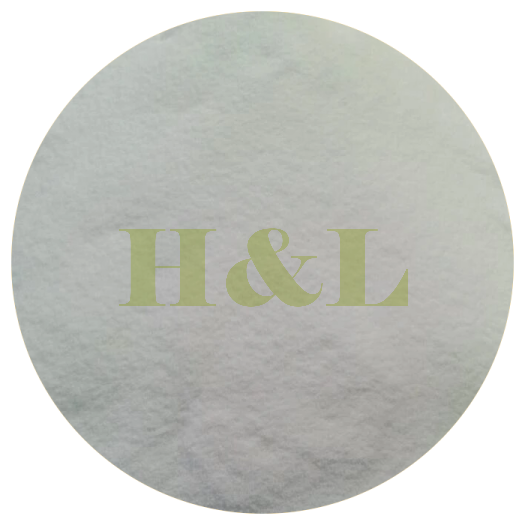
Dimagnesium Phosphate Trihydrate
CAS:7782-75-4,Dimagnesium Phosphate Trihydrate, a compound composed of magnesium and phosphate ions, finds application in various industries. In the food industry, it serves as a stabilizer and acidity regulator, enhancing the texture and shelf life of processed foods. In pharmaceuticals, it is utilized in medicinal formulations, acting as a binder in tablet manufacturing. Additionally, this compound has applications in water treatment, where it helps in controlling scale formation. Its multifaceted usage demonstrates its significance in ensuring product quality, stability, and functionality across different sectors.
Learn More -


Calcium Chloride Dihydrate
CAS:10035-04-8,Calcium Chloride Dihydrate (CaCl₂·2H₂O) is widely used across industries due to its hygroscopic properties and versatility. In **de-icing and dust control**, it’s applied on roads and construction sites to absorb moisture and prevent ice or dust buildup. In **food processing**, it serves as a firming agent and preservative, enhancing texture in products like canned vegetables. In **pharmaceuticals**, it’s used to treat calcium deficiencies and support cardiac function. Additionally, it’s utilized in **water treatment** to balance water hardness and in **concrete** as an accelerating agent, speeding up setting times. Its effective moisture absorption also makes it useful as a **drying agent** in various chemical applications.
Learn More -
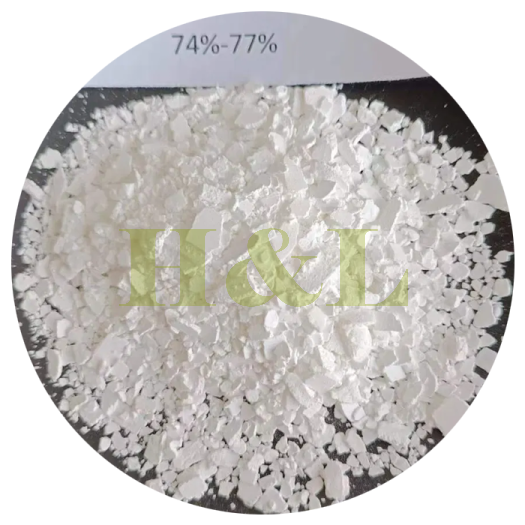
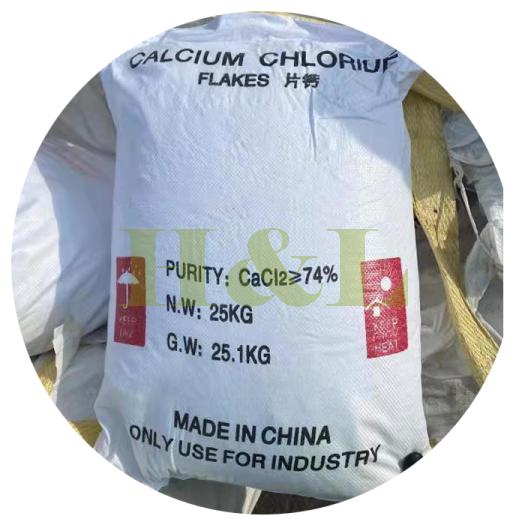
Calcium Chloride Dihydrate Flake
CAS:10035-04-8 flake,Calcium Chloride Dihydrate (CaCl₂·2H₂O) is widely used across industries due to its hygroscopic properties and versatility. In **de-icing and dust control**, it’s applied on roads and construction sites to absorb moisture and prevent ice or dust buildup. In **food processing**, it serves as a firming agent and preservative, enhancing texture in products like canned vegetables. In **pharmaceuticals**, it’s used to treat calcium deficiencies and support cardiac function. Additionally, it’s utilized in **water treatment** to balance water hardness and in **concrete** as an accelerating agent, speeding up setting times. Its effective moisture absorption also makes it useful as a **drying agent** in various chemical applications.
Learn More -
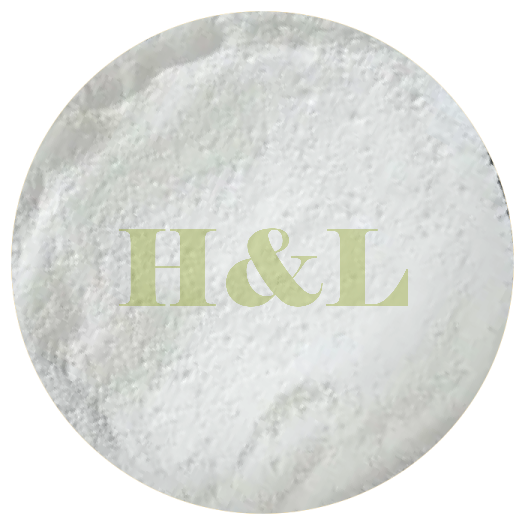
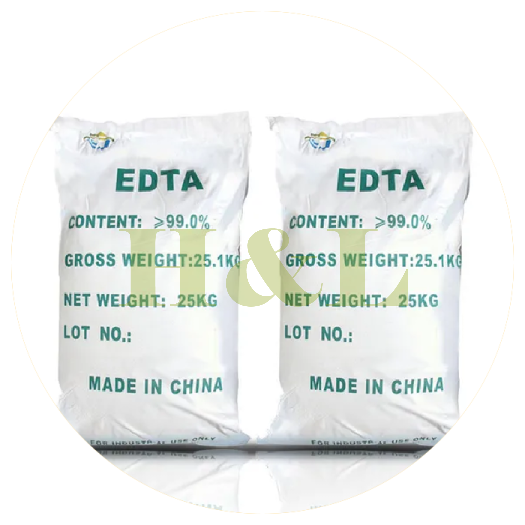
Ethylenediaminetetraacetic Acid (EDTA)
CAS:60-00-4,Ethylenediaminetetraacetic acid (EDTA) is a versatile chelating agent widely used in various industries. In medicine, it treats heavy metal poisoning by binding to metals like lead and mercury, allowing their excretion. In food processing, EDTA prevents oxidation and maintains color and flavor by binding metal ions. Additionally, it is used in cosmetics, detergents, and water treatment to remove hardness by sequestering calcium and magnesium ions. Its ability to stabilize metal ions makes EDTA valuable in laboratory applications and analytical chemistry as well.
Learn More -
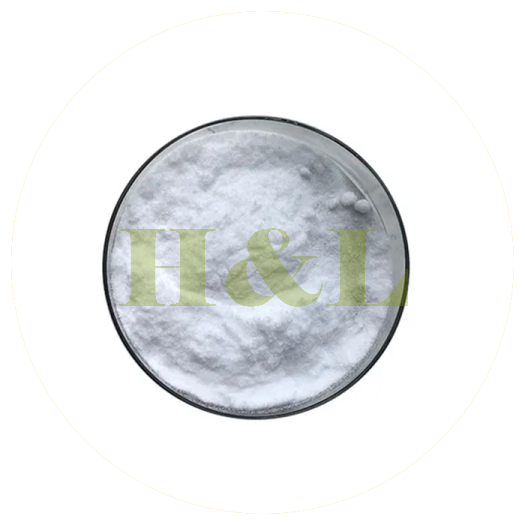
PDV salt
CAS:7647-14-5,PDV salt, or Pure De-Ionized Vacuum Salt, is widely used in various industries due to its high purity and low moisture content. It is primarily employed in the food industry as a seasoning and preservative, enhancing flavor and extending shelf life. In the chemical industry, PDV salt serves as a key raw material for producing chlorine, caustic soda, and other essential chemicals. Additionally, it is utilized in water treatment processes, de-icing roads in winter, and in pharmaceutical applications for its controlled quality. Its versatility makes it a vital component across multiple sectors.
Learn More -

Zinc Acetate Dihydrate
CAS:5970-45-6,Zinc Acetate Dihydrate, a chemical compound with the formula Zn(CH₃COO)₂·2H₂O, finds versatile applications across various industries. Primarily used in the pharmaceutical sector, it serves as a key ingredient in throat lozenges and cold remedies due to its antiviral properties. In the textile industry, Zinc Acetate Dihydrate acts as a catalyst in the production of acetate fibers. Its effectiveness as a corrosion inhibitor makes it valuable in the metal finishing and plating processes. Furthermore, it is employed in the synthesis of other zinc compounds, showcasing its significance in chemical research and development.
Learn More -
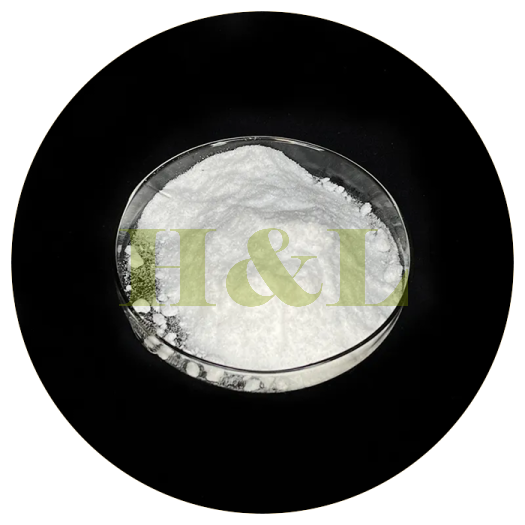
Zirconium Oxychloride
CAS:7699-43-6,Zirconium oxychloride, also known as zirconium(IV) oxychloride or zirconyl chloride, is primarily used in various industrial applications. It serves as a precursor in the production of zirconium compounds, including zirconium oxide, which is widely used in ceramics, refractories, and catalysts. Additionally, it plays a role in water treatment processes by acting as a coagulant. In the pharmaceutical industry, zirconium oxychloride is utilized in drug formulation and as an antimicrobial agent. Its unique properties make it valuable in the production of specialty glass and as a stabilizer in various chemical processes.
Learn More