
Search results for: 'makes/'
-
Sodium Metabisulphite
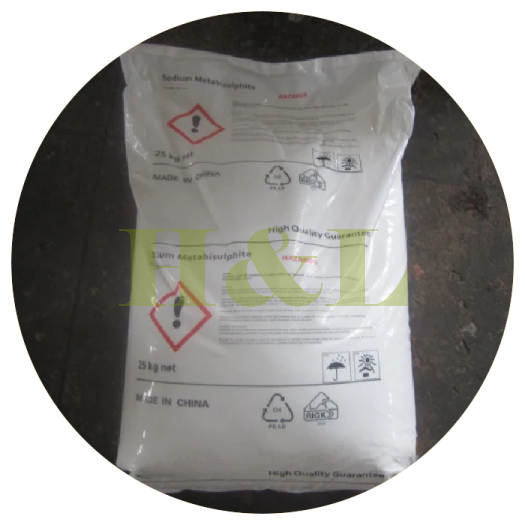
CAS:7681-57-4,Sodium metabisulfite is widely used as a preservative and antioxidant in various industries. In the food industry, it prevents spoilage, browning, and discoloration in dried fruits, juices, and wine by inhibiting microbial growth. In water treatment, it removes excess chlorine. In the textile industry, it serves as a bleaching agent for cotton and wool, while in photography, it's used to develop and fix images. Additionally, it's employed in mining for ore flotation and in pharmaceuticals for maintaining stability in certain formulations. Its reducing properties make it valuable in many chemical processes.
Learn More -

Barium Hydroxide Anhydrous
CAS:17194-00-2,Barium Hydroxide Anhydrous is primarily used in various industrial applications, including the production of lubricants, ceramics, and glass. It serves as a reagent in chemical synthesis, particularly in the preparation of barium salts. Additionally, it is utilized in the refining of oils and fats, as well as in the manufacture of certain pharmaceuticals. Barium Hydroxide Anhydrous is also employed in analytical chemistry for the determination of sulfate ions. Its properties as a strong base make it valuable for neutralizing acids in various chemical processes. Safety precautions should be observed due to its toxic nature.
Learn More -
Calcium Hydroxide (Hydrated Lime)
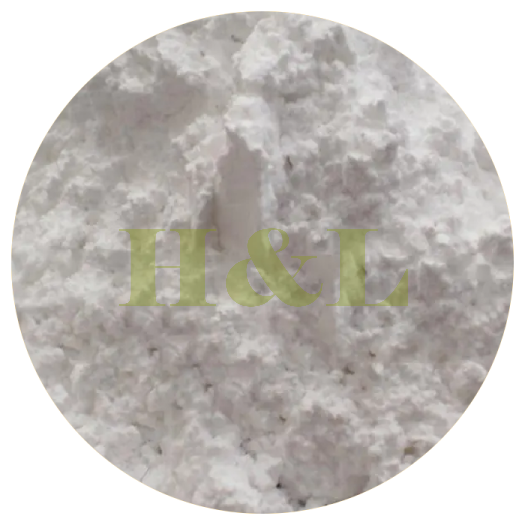
CAS:1305-62-0,Calcium Hydroxide, commonly known as Hydrated Lime, is a white, crystalline powder with the chemical formula Ca(OH)2. Derived from calcium oxide and water, it exhibits strong alkaline properties. Widely used in various industries, including construction and agriculture, hydrated lime plays a crucial role in soil stabilization, water treatment, and as a mortar additive. Its high reactivity and ability to absorb carbon dioxide make it valuable in environmental applications. As a food additive, it aids in preserving fruits and vegetables. With antimicrobial properties, hydrated lime finds applications in sanitation and wastewater treatment, showcasing its versatility across diverse fields.
Learn More -
Polyquaternary Ammonium Salt
CAS:26062-79-3,Polyquaternary Ammonium Salt is widely used as a cationic polymer in various industries. It functions as a flocculant, conditioning agent, and antimicrobial agent. In water treatment, it helps to remove suspended solids and improve clarity. In cosmetics and personal care products, it serves as an effective conditioning agent, providing softness and reducing static in hair. Additionally, it is used in the paper and textile industries for improving product quality and enhancing dye uptake. Its antimicrobial properties also make it suitable for use in disinfectants and sanitizers.
Learn More -
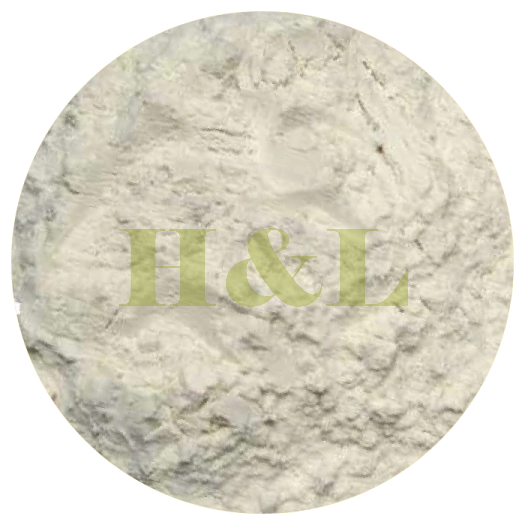
Bentonite
CAS:25081000,Drilling Mud: Bentonite is a key component in drilling mud used in the oil and gas industry. It helps cool and lubricate the drill bit, remove cuttings, and seal the borehole walls to prevent fluid loss. Bentonite's unique swelling properties make it effective in maintaining borehole stability. Learn More -
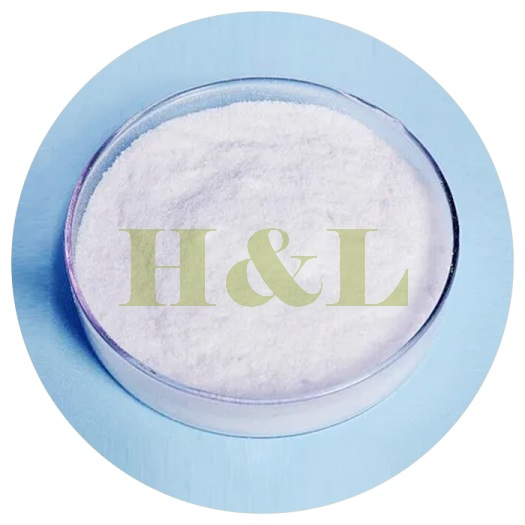
Chitosan
CAS:9012-76-4,Chitosan is a natural biopolymer derived from chitin, commonly found in the exoskeletons of crustaceans. It is widely used in various industries due to its biocompatibility, biodegradability, and non-toxic nature. In agriculture, it serves as a soil conditioner and plant growth promoter. In medicine, it’s utilized for wound healing, drug delivery, and as a dietary supplement for weight management. Additionally, chitosan is effective in water treatment, acting as a flocculant to remove impurities. Its antibacterial and antifungal properties also make it suitable for use in food preservation and cosmetics.
Learn More -


Sodium Saccharin
CAS:6155-57-3,Sodium saccharin is an artificial sweetener used to enhance the flavor of various food and beverage products. Commonly found in diet sodas, sugar-free candies, and low-calorie snacks, it is approximately 300 to 400 times sweeter than sugar. Saccharin is often used in products for individuals managing calorie intake, such as those with diabetes or those seeking weight loss. It is stable under heat, making it suitable for cooking and baking, although its taste may be perceived as slightly bitter when used in high concentrations.
Learn More -
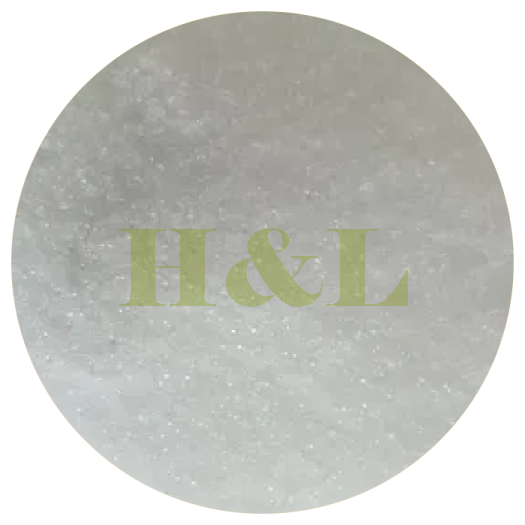
Erythritol
CAS:149-32-6,Erythritol is a natural sugar alcohol used as a low-calorie sweetener. It is commonly found in sugar-free and low-sugar products such as candies, baked goods, beverages, and chewing gum. With about 70% of the sweetness of sugar, erythritol has minimal impact on blood sugar levels, making it popular among diabetics and those on ketogenic diets. It is also tooth-friendly and easily digested without causing significant digestive issues, unlike other sugar alcohols.
Learn More -
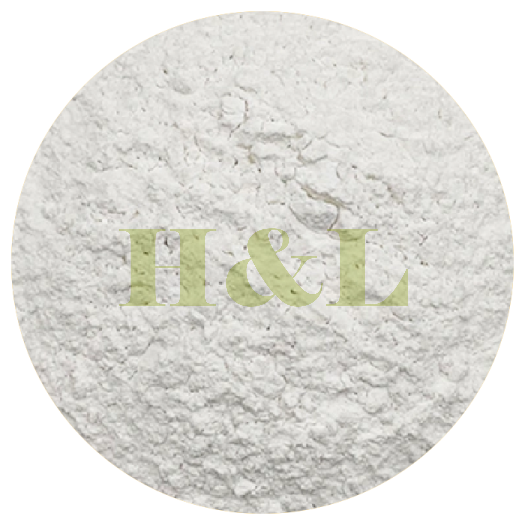
Anhydrous Sodium Acetate
CAS:127-09-3,Anhydrous Sodium Acetate, a crystalline compound, serves diverse industrial applications. Primarily, it acts as a buffering agent in the pharmaceutical industry, regulating acidity and stabilizing the pH of formulations. In the food industry, it functions as a preservative and acidity regulator. Additionally, it finds use in the textile sector as a dyeing and fixing agent. Anhydrous Sodium Acetate also plays a role in the heating pads, serving as a phase-change material that releases heat when crystallizing. Its versatility and ability to control acidity make it an essential component in various processes across pharmaceuticals, food, textiles, and heat-related applications.
Learn More -

Cocamidopropy Betaine (CAB )
CAS:86438-79-1,Cocamidopropyl Betaine (CAB) is a versatile amphoteric surfactant commonly used in personal care and cosmetic products. It serves as a mild cleanser and thickening agent in shampoos, conditioners, body washes, and facial cleansers. CAB enhances foam stability and provides a conditioning effect, making hair softer and easier to manage. Additionally, it is used in household cleaning products for its effective cleaning properties. Being derived from coconut oil, it is considered a biodegradable and environmentally friendly ingredient, appealing to consumers seeking sustainable options.
Learn More -
Titanium Dioxide
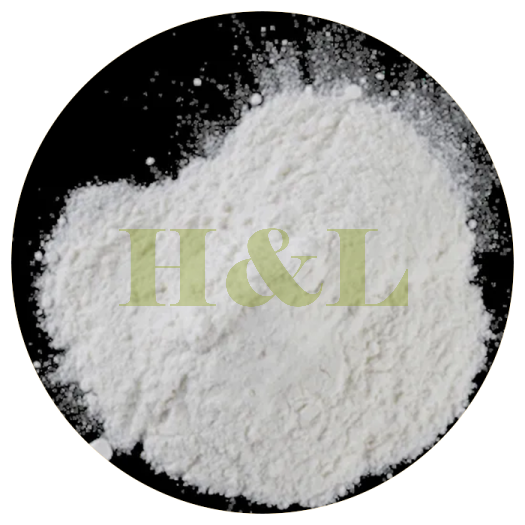
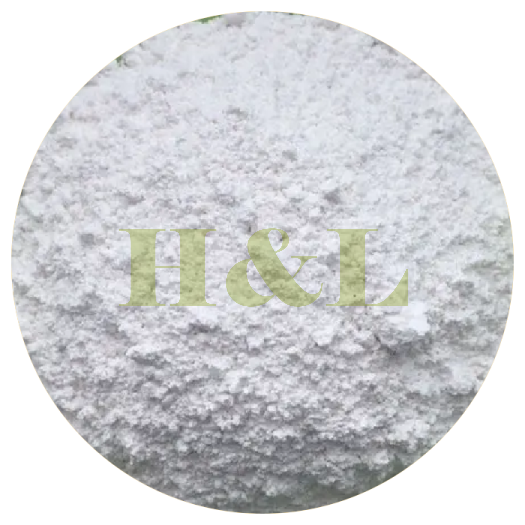
CAS:13463-67-7,Titanium dioxide (TiO2) is a versatile white pigment widely used in various industries. Its primary applications include paints, coatings, and plastics, where it provides excellent opacity and brightness. In the cosmetics industry, it acts as a pigment and UV filter in sunscreens. Additionally, titanium dioxide is used in food products as a coloring agent and in photocatalytic applications for environmental purification. Its non-toxic nature and stability make it a preferred choice in many applications, contributing to its popularity across sectors.
Learn More -

Ethyl Acetate
CAS:141-78-6,Ethyl acetate is a colorless, volatile liquid with a fruity odor, commonly used as a solvent in various applications. It is widely employed in the production of coatings, adhesives, and inks due to its excellent solvent properties. In the food industry, ethyl acetate serves as a flavoring agent and is used in the extraction of natural compounds. Additionally, it is utilized in laboratories for chromatography and as a cleaning agent. Ethyl acetate is valued for its ability to dissolve a wide range of substances while being less toxic compared to other solvents, making it a popular choice in both industrial and commercial settings.
Learn More