
Search results for: 'calcium to/'
-

Citric Acid
CAS:77-92-9(Anhydrous)5949-29-1(Monohydrate),Citric acid is a weak organic acid widely used in food, beverages, and pharmaceuticals. In the food industry, it acts as a natural preservative, enhancing flavor and acidity in products like soft drinks, candies, and jams. Additionally, it helps prevent spoilage by inhibiting the growth of bacteria and mold. In the pharmaceutical sector, citric acid is used to adjust the pH of medications and as a stabilizing agent in various formulations. Beyond food and pharmaceuticals, citric acid is utilized in cleaning products, cosmetics, and as a chelating agent in water treatment.
Learn More -
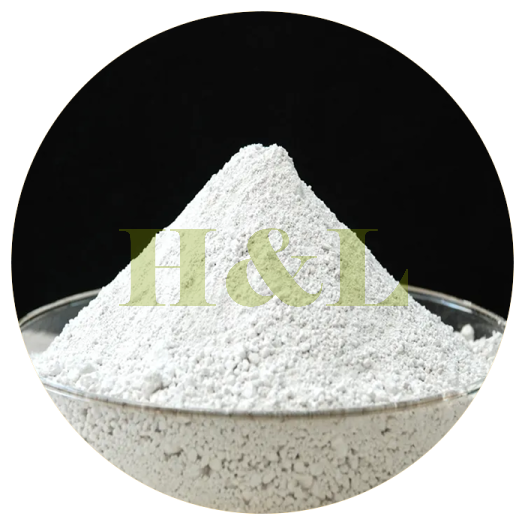
Zircon Flour
CAS:10101-52-7,Zircon flour, a finely milled form of silica, is widely used in various industries. In construction, it enhances concrete and cement products, improving strength and durability. The paint industry utilizes silica flour as a filler and anti-settling agent, ensuring a smooth finish. In the manufacturing of glass, it serves as a primary raw material, while in the ceramics industry, it contributes to better strength and thermal resistance. Additionally, silica flour is used in oil and gas applications for hydraulic fracturing, as well as in personal care products for its absorbent properties.
Learn More -

Kaolin
CAS:1332-58-7,Kaolin, a type of clay, is widely used in various industries due to its unique properties. In ceramics, it serves as a primary ingredient for porcelain and pottery, enhancing strength and durability. In the paper industry, kaolin improves brightness and printability. Additionally, it acts as a filler in paints and coatings, providing opacity and smoothness. In pharmaceuticals, kaolin is used as an adsorbent and anti-diarrheal agent. Its versatility makes kaolin essential in cosmetics, rubber production, and as a natural insecticide in agriculture, highlighting its significant role in everyday products.
Learn More -
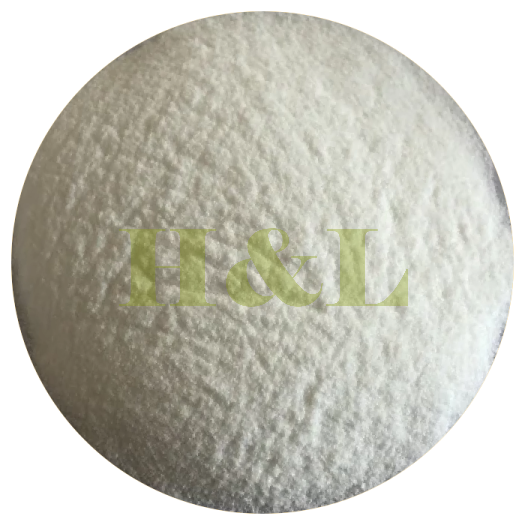
Inositol
CAS:87-89-8,Inositol is a carbohydrate that plays a vital role in cellular signaling and metabolism. Commonly used as a dietary supplement, it is believed to promote mental health by alleviating anxiety and depression, particularly in individuals with conditions like PCOS (polycystic ovary syndrome). Inositol can also help improve insulin sensitivity, support weight management, and enhance ovarian function. Furthermore, it is often included in formulations for mood regulation and cognitive support. While generally safe, users should consult healthcare professionals before starting supplementation, especially if they have pre-existing health conditions or are taking medications.
Learn More -

Barium Hydroxide Octahydrate
CAS:12230-71-6,Barium Hydroxide Octahydrate is primarily used in analytical chemistry for the determination of sulfate and other anions through precipitation methods. It serves as a reagent in the synthesis of barium-containing compounds and in various industrial processes. Additionally, this compound is utilized in the production of lubricants, and as a catalyst in organic reactions. Its properties make it valuable in laboratories for titration processes and in manufacturing applications, including the production of glass and ceramics, where it helps improve product quality. Proper handling and safety measures are essential due to its caustic nature.
Learn More -
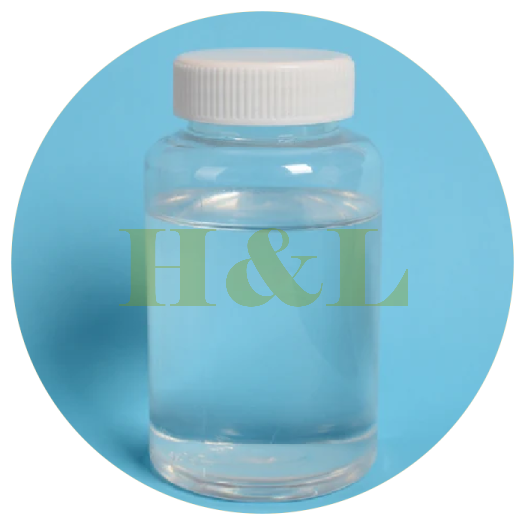
Methyl Salicylate
CAS:119-36-8,Methyl salicylate is an organic ester commonly used in topical pain relief products, such as ointments and creams, for muscle and joint pain relief. It is often found in sports rubs and liniments due to its analgesic and anti-inflammatory properties. Additionally, methyl salicylate is used as a flavoring agent in foods and beverages, providing a minty taste. Its pleasant aroma also makes it a popular ingredient in perfumes and fragrances. However, it should be used with caution, as it can cause skin irritation in some individuals.
Learn More -
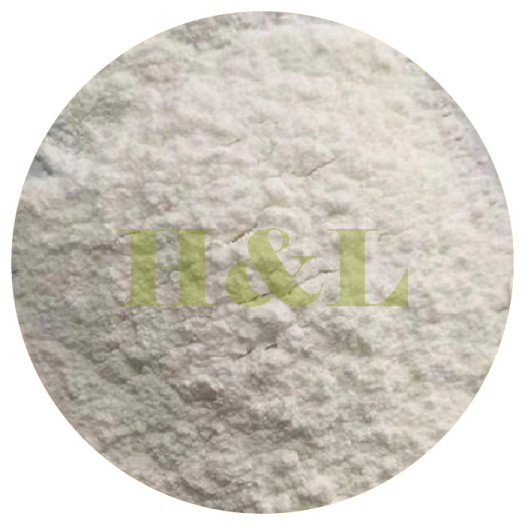
Sodium aluminate
CAS:11138-49-1,Sodium aluminate is a white crystalline solid with the chemical formula NaAlO2. It's a compound formed by the reaction of sodium hydroxide and aluminum oxide. Sodium aluminate is highly soluble in water, yielding an alkaline solution. It's utilized in various industrial processes, including wastewater treatment, papermaking, and as a catalyst in organic synthesis. Its alkalinity makes it effective in water treatment for precipitation of heavy metals and controlling pH. In papermaking, it enhances paper strength and sizing. Additionally, it serves as a stabilizer in dyeing processes and finds applications in manufacturing zeolites and fireproofing materials due to its high temperature stability.
Learn More -
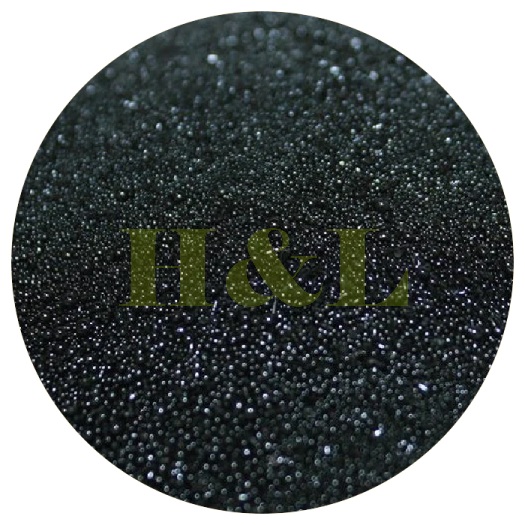
Oxidized asphalt
CAS:8052-42-4,Oxidized asphalt, a modified form of bitumen, undergoes a controlled air-blowing process that enhances its physical properties. This transformation results in a more durable and weather-resistant material, suitable for various applications. With increased viscosity and improved elasticity, oxidized asphalt finds extensive use in the construction industry, particularly in roofing, pavement sealing, and waterproofing. The oxidation process imparts the asphalt with enhanced resistance to aging and environmental factors, making it an ideal choice for long-lasting infrastructure projects. Its versatility, affordability, and robust performance make oxidized asphalt a crucial component in the development of resilient and sustainable structures.
Learn More -
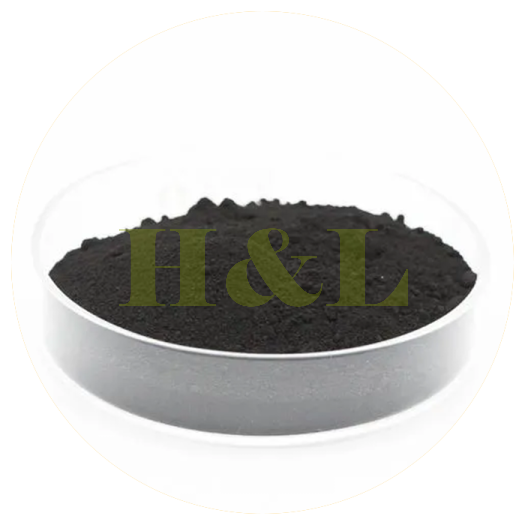
Manganese Dioxide
CAS:1313-13-9,Manganese dioxide (MnO₂) is a versatile compound with several important uses. It is primarily utilized in the production of dry cell batteries, such as alkaline and zinc-carbon batteries, where it acts as a cathode material. Additionally, MnO₂ is employed as a catalyst in various chemical reactions, including the synthesis of organic compounds and the decomposition of hydrogen peroxide. It also serves as a pigment in ceramics and glass manufacturing, providing a rich, dark color. Furthermore, manganese dioxide is used in water treatment processes to remove impurities and in the production of ferromanganese alloys.
Learn More -
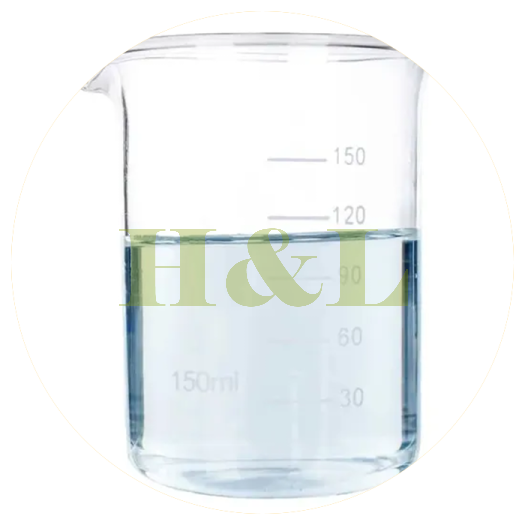
Ethyl Alcohol
CAS:64-17-5,Ethyl alcohol, also known as ethanol, is widely used in various applications. Primarily, it serves as an essential ingredient in alcoholic beverages. In industrial settings, it functions as a solvent for paints, varnishes, and perfumes. Ethanol is also a key component in the production of personal care products, such as hand sanitizers and disinfectants. Furthermore, it is utilized as a fuel additive to enhance octane ratings and reduce emissions. Additionally, ethyl alcohol is employed in laboratories for sterilization and as a reagent in chemical synthesis. Its versatility makes it a crucial substance across multiple industries.
Learn More -
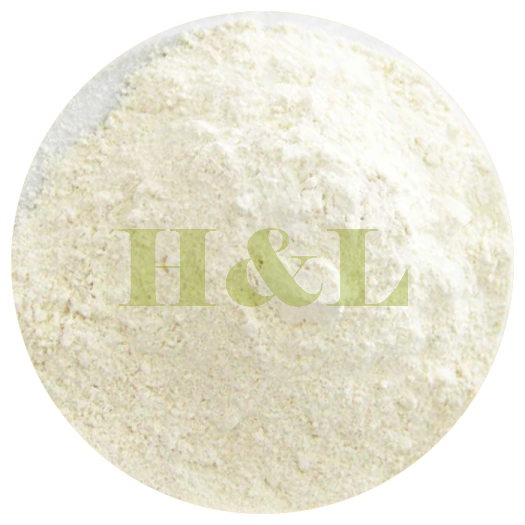
Allicin
CAS:539-86-6,Allicin is a bioactive compound derived from garlic (Allium sativum) known for its numerous health benefits. Primarily, it is used for its antimicrobial properties, effective against bacteria, viruses, and fungi. Allicin is also recognized for its cardiovascular benefits, helping to lower blood pressure and cholesterol levels. Additionally, it has antioxidant properties, which may protect cells from damage. Allicin can be consumed in various forms, including raw garlic, supplements, or as a part of culinary dishes. Its potential therapeutic effects make it popular in natural medicine for enhancing overall health.
Learn More -
PDV salt
CAS:7647-14-5,PDV salt, or Pure De-Ionized Vacuum Salt, is widely used in various industries due to its high purity and low moisture content. It is primarily employed in the food industry as a seasoning and preservative, enhancing flavor and extending shelf life. In the chemical industry, PDV salt serves as a key raw material for producing chlorine, caustic soda, and other essential chemicals. Additionally, it is utilized in water treatment processes, de-icing roads in winter, and in pharmaceutical applications for its controlled quality. Its versatility makes it a vital component across multiple sectors.
Learn More