
Search results for: 'makes/'
-
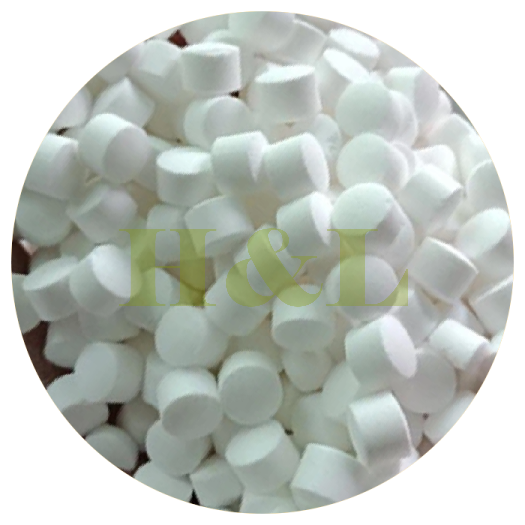
Sodium percarbonate
CAS:OXYGEN TABLET,Sodium percarbonate, a powerful oxidizing agent, serves various purposes. Primarily, it's a key component in laundry detergents, delivering potent stain removal and whitening properties. Its oxygen-releasing abilities make it effective in disinfecting and deodorizing surfaces, especially in household cleaning products. Additionally, it's utilized in eco-friendly formulations due to its biodegradability and minimal environmental impact compared to traditional bleach. As a versatile cleaner, it tackles stubborn stains on a range of surfaces, including fabrics, ceramics, and plastics. Its oxygenating action makes it ideal for brightening grout, removing mold, and sanitizing kitchen and bathroom areas, ensuring a hygienic living environment.
Learn More -
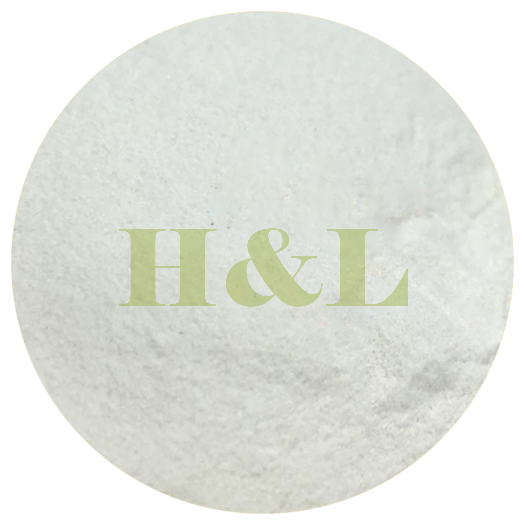
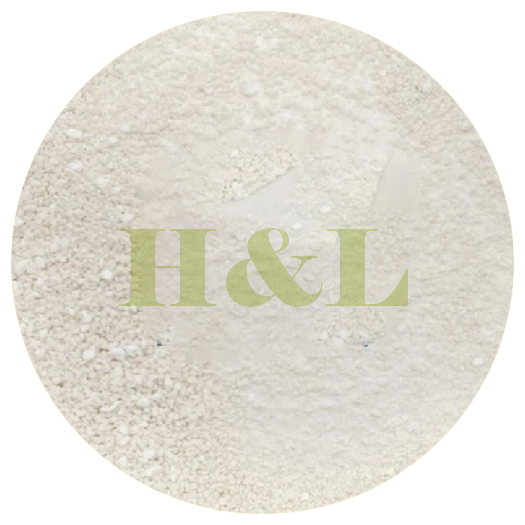
Polyanionic Cellulose (PAC)
CAS:9004-32-4,Drilling Fluid Additive: One of the primary uses of polyanionic cellulose is in the oil and gas industry as an additive in drilling fluids. It helps control the rheology of drilling fluids, preventing excessive fluid loss and maintaining stability in various downhole conditions. Learn More -
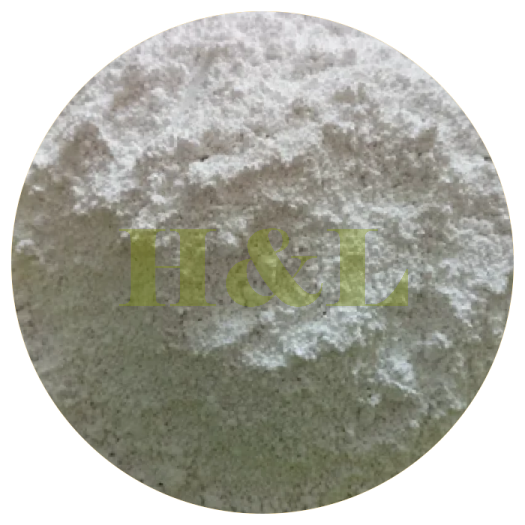
Talc Powder
CAS:14807-96-6,Talc powder is a versatile mineral used in various industries. In cosmetics, it serves as a filler and absorbent, enhancing the texture of products like powders and creams. In the pharmaceutical sector, it acts as a lubricant and anti-caking agent in tablets. Talc is also utilized in the food industry as an anti-caking agent and for coating. Additionally, it plays a crucial role in plastics, rubber, and ceramics, improving their durability and finish. Its properties make it valuable in industrial applications, contributing to the performance and quality of numerous products.
Learn More -

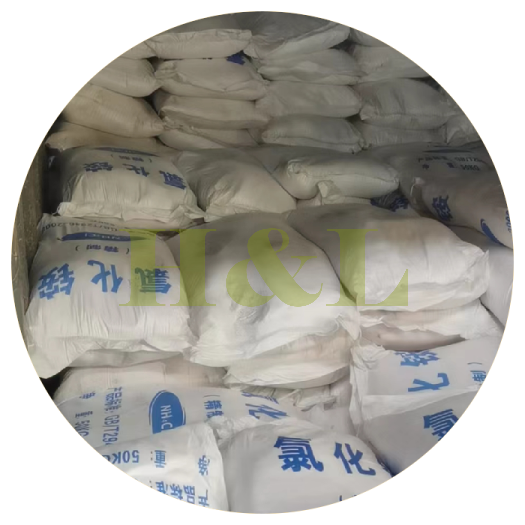
Ammonium chloride
CAS:12125-02-9,Ammonium chloride, a chemical compound with the formula NH4Cl, finds diverse applications across several industries. In the food industry, it serves as a food additive, contributing to the crispiness of snacks and enhancing flavor. In the medical field, it is used in cough medicines as an expectorant. Ammonium chloride also plays a crucial role in the manufacturing of dry cell batteries, acting as an electrolyte. Additionally, it is employed in the textile industry for dyeing processes and acts as a flux in soldering. Its versatile properties make ammonium chloride a valuable ingredient with applications ranging from food and medicine to industrial processes.
Learn More -
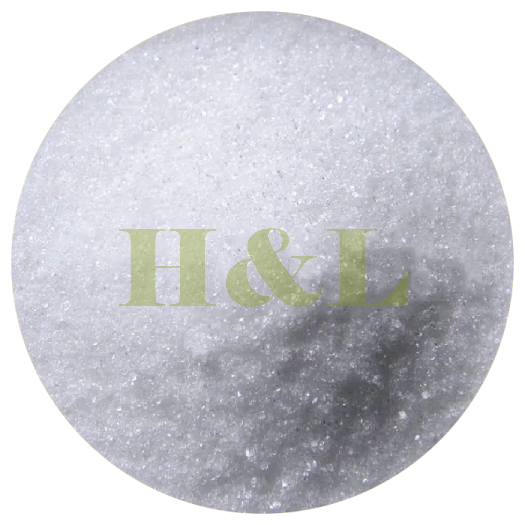
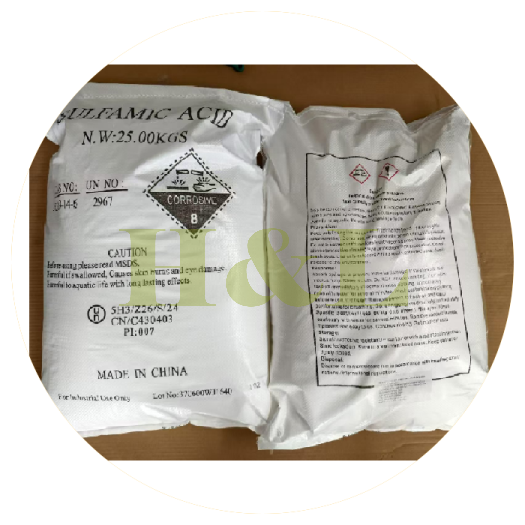
Sulfamic Acid
CAS:5329-14-6,Sulfamic acid is a versatile chemical widely used across various industries. It serves as an efficient descaling agent, removing lime scale and rust from equipment, boilers, and heat exchangers. In water treatment, it helps prevent scale buildup in cooling towers and industrial systems. It’s also a key ingredient in cleaning agents for household and industrial use, particularly for metal cleaning and sanitizing surfaces. Additionally, sulfamic acid is employed in paper and pulp production as a stabilizer for chlorine-based bleaching processes, and in dye manufacturing to adjust pH levels. Its non-corrosive nature and high solubility make it ideal for these applications.
Learn More -
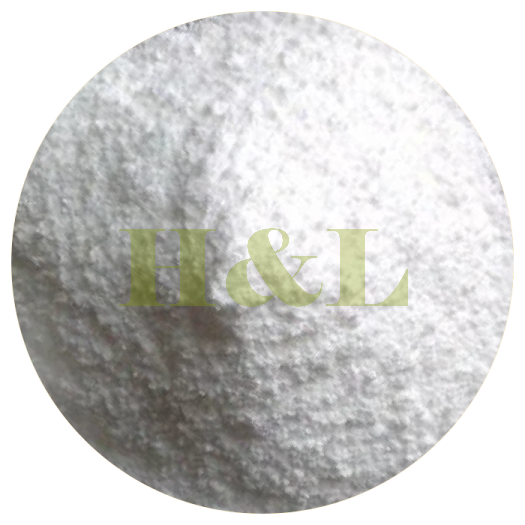
Sodium formate
CAS:141-53-7,Sodium formate is a white, crystalline powder with the chemical formula NaHCOO. It is the sodium salt of formic acid and is highly soluble in water. Known for its versatility, sodium formate serves various purposes in different industries. In the chemical realm, it acts as a reducing agent and a catalyst in various reactions. In the leather industry, it is employed in the tanning process. Additionally, it finds application as a de-icing agent on roads and as a corrosion inhibitor in the oil and gas sector. Sodium formate's ability to adapt to diverse roles highlights its significance across multiple industrial domains.
Learn More -
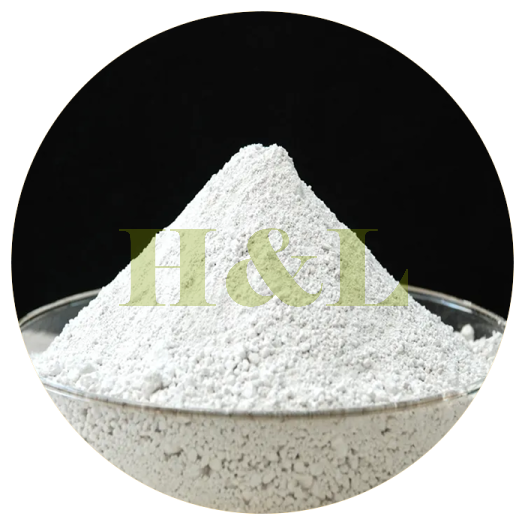
Zircon Flour
CAS:10101-52-7,Zircon flour, a finely milled form of silica, is widely used in various industries. In construction, it enhances concrete and cement products, improving strength and durability. The paint industry utilizes silica flour as a filler and anti-settling agent, ensuring a smooth finish. In the manufacturing of glass, it serves as a primary raw material, while in the ceramics industry, it contributes to better strength and thermal resistance. Additionally, silica flour is used in oil and gas applications for hydraulic fracturing, as well as in personal care products for its absorbent properties.
Learn More -
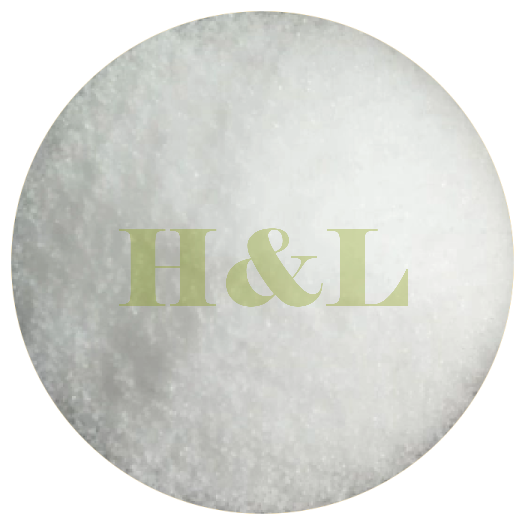
Monosodium Phosphate (MSP)
CAS:7558-80-7,Monosodium Phosphate (MSP) is a versatile compound utilized in diverse applications. In the food industry, it acts as a pH regulator, emulsifier, and buffering agent, enhancing the stability of processed foods. As a component in cleaning products, it serves as a water softener and aids in detergent effectiveness. In the medical field, Monosodium Phosphate finds use in certain medications for its buffering properties. Additionally, it has applications in the water treatment industry, where it helps prevent scaling in pipes. MSP's multifaceted nature makes it valuable in various sectors, contributing to improved processes and product quality.
Learn More -

Disodium Phosphate
CAS:7558-79-4,Disodium Phosphate, a chemical compound with diverse applications, is commonly employed in the food industry as a buffering and emulsifying agent. Its ability to regulate acidity and enhance the stability of processed foods makes it a vital ingredient in various food products like cereals, cheeses, and beverages. In the realm of water treatment, Disodium Phosphate is utilized to inhibit scale formation in boilers and control water hardness. Additionally, it finds application in the formulation of certain cleaning agents and detergents, contributing to their effectiveness. The versatile nature of Disodium Phosphate underscores its significance across different industrial sectors.
Learn More -
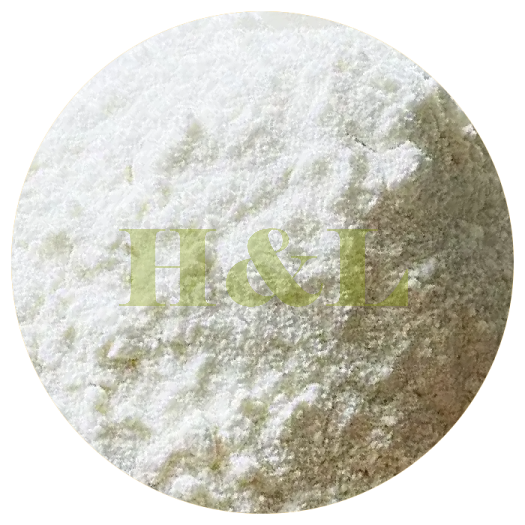
Potassium Formate
CAS:590-29-4,Potassium formate is a chemical compound with the formula HCOOK, composed of potassium and formic acid. This white, crystalline substance serves multiple purposes, notably as a de-icing agent on roads and an additive in drilling fluids in the oil and gas industry. Its hygroscopic nature makes it effective in reducing ice formation on surfaces. Additionally, potassium formate finds application in leather tanning, as a reducing agent in various chemical processes, and as a safe alternative to traditional de-icing salts due to its lower environmental impact. This compound plays a crucial role in diverse industrial and practical applications.
Learn More -
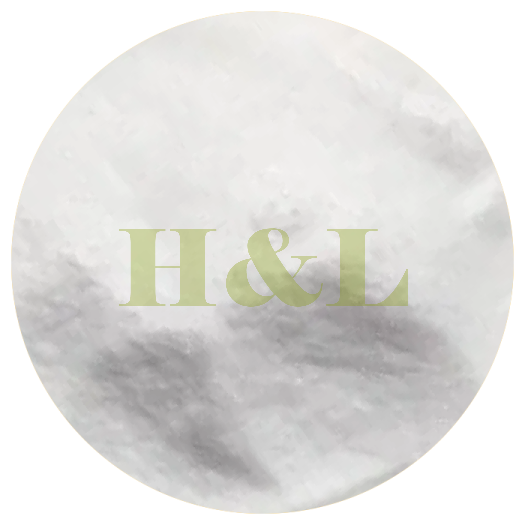
Disodium EDTA
CAS:6381-92-6,Disodium EDTA, or ethylenediaminetetraacetic acid disodium salt, is a versatile chelating agent widely used in various industries. With a molecular formula of C10H14N2Na2O8, it forms stable complexes with metal ions, preventing oxidation and preserving product quality. In the cosmetic and personal care industry, Disodium EDTA is employed to enhance product stability and extend shelf life. It also finds applications in the food industry to prevent color changes and maintain flavor. Additionally, in the medical field, it serves as an anticoagulant. Its ability to sequester metal ions makes Disodium EDTA a valuable ingredient in formulations where metal control is crucial.
Learn More -

Magnesium nitrate hexahydrate
CAS:13446-18-9,Magnesium nitrate hexahydrate, a chemical compound with the formula Mg(NO3)2·6H2O, finds various applications. Primarily, it serves as a dehydrating agent in organic synthesis, aiding in the removal of water from various compounds. In agriculture, it's utilized as a foliar spray to rectify magnesium deficiencies in plants, promoting growth and chlorophyll production. Its hygroscopic nature makes it useful in humidity control systems and desiccators. Additionally, it acts as a catalyst in certain chemical reactions and plays a role in the production of fireworks, due to its ability to produce intense white light when burned.
Learn More