



Categories
Subscribe to RSS Feed-


Sodium Saccharin
CAS:6155-57-3,Sodium saccharin is an artificial sweetener used to enhance the flavor of various food and beverage products. Commonly found in diet sodas, sugar-free candies, and low-calorie snacks, it is approximately 300 to 400 times sweeter than sugar. Saccharin is often used in products for individuals managing calorie intake, such as those with diabetes or those seeking weight loss. It is stable under heat, making it suitable for cooking and baking, although its taste may be perceived as slightly bitter when used in high concentrations.
Learn More -

Sorbic Acid
CAS:110-44-1,Sorbic acid is a widely used organic compound, primarily recognized for its role as a food preservative. It effectively inhibits the growth of molds, yeasts, and some bacteria, making it ideal for extending the shelf life of various food products, including baked goods, cheese, and beverages. Beyond the food industry, sorbic acid is also employed in cosmetics and personal care products to prevent spoilage and maintain quality. Additionally, it finds applications in the production of plastics and as a fungicide in agricultural settings, showcasing its versatility across multiple sectors.
Learn More -
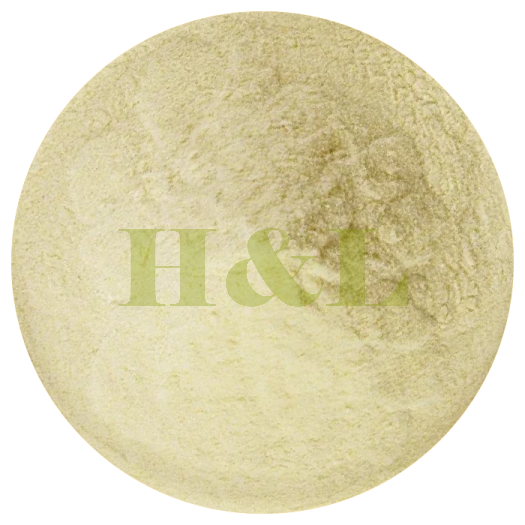
Soy Lecithin
CAS:8002-43-5,Soy lecithin is a versatile food additive and emulsifier derived from soybeans. It is commonly used in the food industry to improve the texture and stability of products like chocolates, margarine, baked goods, and salad dressings. Additionally, it helps prevent ingredients from separating and enhances the smoothness of sauces and spreads. Beyond food, soy lecithin is found in dietary supplements, cosmetics, and pharmaceuticals, where it serves as a stabilizer and emulsifier. Its health benefits include supporting brain function and cardiovascular health due to its phospholipid content.
Learn More -
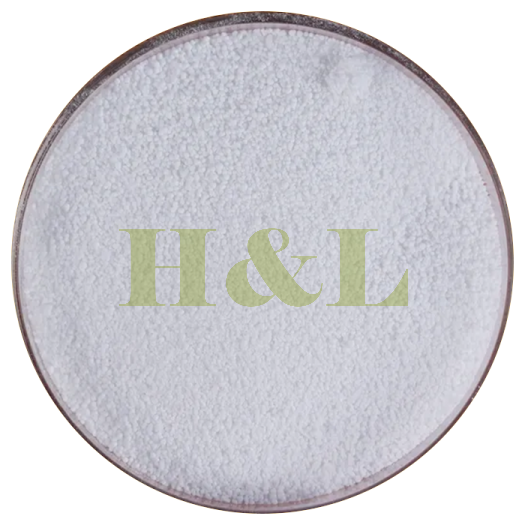
Thiamine hydrochloride, thiamine nitrate (vitamin B1)
CAS:532-43-4,Steviol glycosides are natural sweeteners derived from the leaves of the Stevia rebaudiana plant. They are widely used as sugar substitutes in food and beverages due to their high sweetness intensity and low calorie content. These compounds are suitable for various applications, including soft drinks, dairy products, baked goods, and dietary supplements. Additionally, steviol glycosides are often used in low-sugar and sugar-free formulations, making them popular among health-conscious consumers. Their stable nature under heat and pH variations further enhances their versatility in food processing and product formulation.
Learn More -
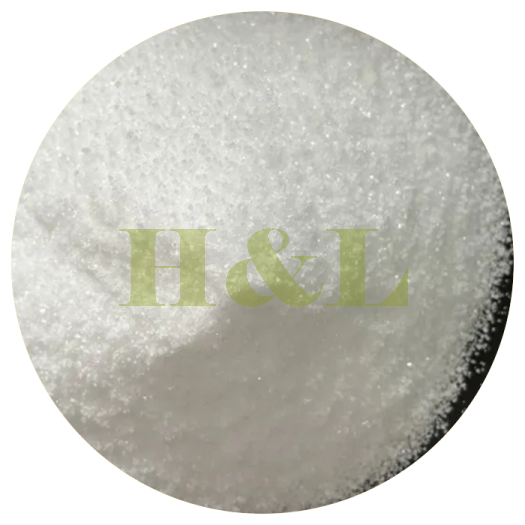
Thiourea
CAS:62-56-6,Thiamine hydrochloride and thiamine nitrate, both forms of vitamin B1, are primarily used to prevent and treat thiamine deficiency, which can lead to conditions like beriberi and Wernicke-Korsakoff syndrome. They are essential for carbohydrate metabolism and play a crucial role in energy production. Additionally, these compounds are utilized in dietary supplements and fortified foods to enhance overall nutritional intake. Thiamine is also employed in certain medical treatments, such as improving nerve function and alleviating symptoms related to diabetes and metabolic disorders. Regular supplementation is especially important for individuals with increased needs, such as pregnant women and those with alcohol dependency.
Learn More -
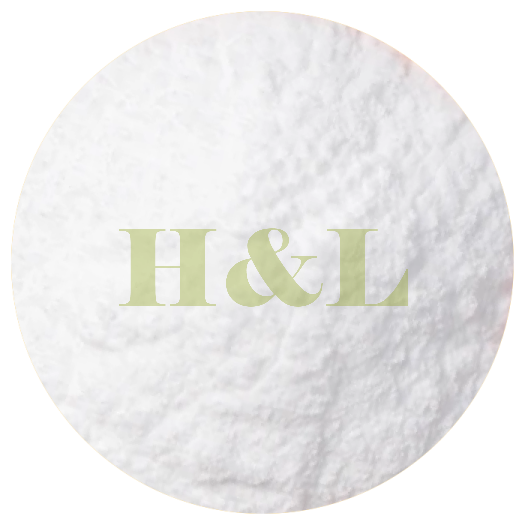
Trehalose
CAS:99-20-7,Trehalose is a naturally occurring disaccharide used as a sugar substitute and functional ingredient in various food products. It is commonly found in snacks, desserts, and beverages due to its mild sweetness and ability to enhance flavor. Trehalose helps improve texture and moisture retention in baked goods and can extend shelf life by preventing crystallization. Additionally, it is used in pharmaceutical and cosmetic industries for its stabilizing properties and ability to protect proteins and cells from damage during freeze-drying and storage.
Learn More -
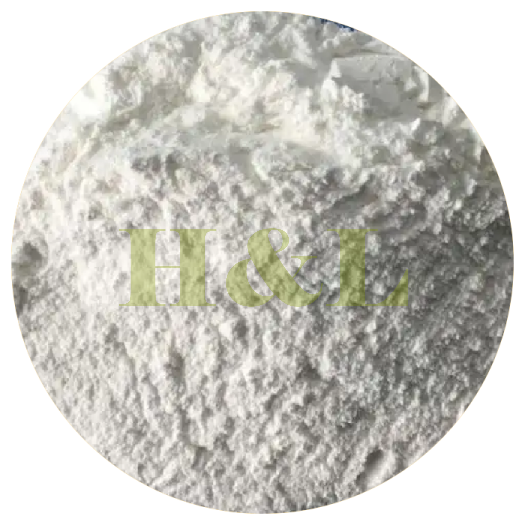
Trimagnesium Phosphate
CAS:7757-87-1,Trimagnesium phosphate, composed of magnesium and phosphate ions, serves various purposes in different industries. In the food industry, it acts as a pH regulator, stabilizing agents in dairy products, and a leavening agent in baked goods. In pharmaceuticals, it's employed as a binder in tablet formulations. Additionally, trimagnesium phosphate finds applications in water treatment as a coagulant and in the cosmetics industry as a thickening agent. Its versatile nature and compatibility with different processes make it a valuable ingredient in various manufacturing sectors, contributing to the quality and functionality of end products.
Learn More -

Urea
CAS:57-13-6,Urea, also known as carbamide, is a widely used nitrogen fertilizer in agriculture. It provides plants with a high concentration of nitrogen, which promotes healthy growth and improves crop yields. Urea is applied directly to the soil or mixed with water for irrigation. Aside from agriculture, it is used in the chemical industry for the production of plastics, resins, and adhesives. Urea is also a key component in automotive diesel exhaust fluid (DEF), reducing harmful nitrogen oxide emissions. Additionally, it's found in pharmaceuticals and cosmetics as a moisturizing agent.
Learn More -
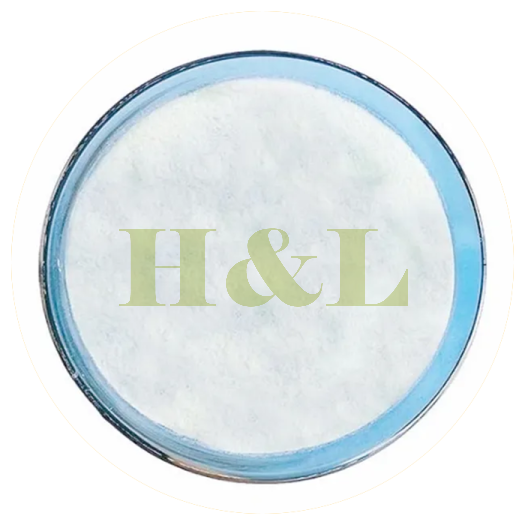
Vitamin B3
CAS:92-98-0,Vitamin B3, also known as niacin, plays a crucial role in energy metabolism and the synthesis of hormones. It is commonly used to support cardiovascular health by improving cholesterol levels, reducing triglycerides, and lowering the risk of heart disease. Additionally, Vitamin B3 is beneficial for skin health, helping to improve the appearance of fine lines and redness. It is often included in skincare products due to its anti-inflammatory properties. Moreover, niacin can aid in the treatment of pellagra, a deficiency disease characterized by dermatitis, diarrhea, and dementia.
Learn More -
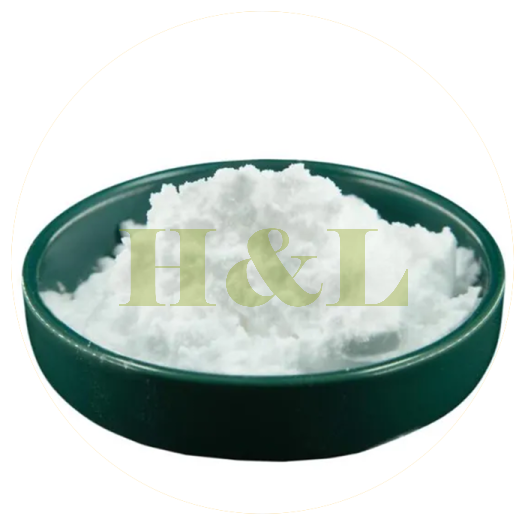
Vitamin B6
CAS:65-23-6,Vitamin B6, also known as pyridoxine, plays a crucial role in various bodily functions. It is essential for amino acid metabolism, neurotransmitter synthesis, and the production of hemoglobin. This vitamin supports immune function and is involved in the regulation of mood and cognitive abilities. Vitamin B6 is commonly used to alleviate symptoms of premenstrual syndrome (PMS), promote cardiovascular health, and assist in the management of certain neurological disorders. Additionally, it helps reduce homocysteine levels, which can lower the risk of heart disease. A balanced diet including foods like fish, poultry, bananas, and whole grains typically provides sufficient vitamin B6.
Learn More -
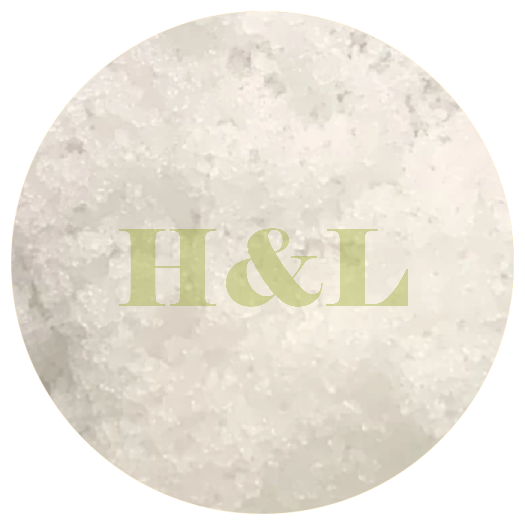

Zinc Sulfate heptahydrate
CAS:7446-20-0,Zinc sulfate heptahydrate is a crystalline compound with the chemical formula ZnSO4·7H2O. Recognized for its white or colorless appearance, it is a hydrated form of zinc sulfate. This compound contains seven water molecules within its structure, contributing to its heptahydrate designation. Widely used in agriculture as a fertilizer and soil additive, zinc sulfate heptahydrate provides essential zinc nutrients to plants. Additionally, it serves various industrial purposes, such as water treatment and the production of pigments and dyes. Its versatility and water solubility make it a valuable compound in different applications, particularly in addressing zinc deficiencies in both plants and animals.
Learn More -
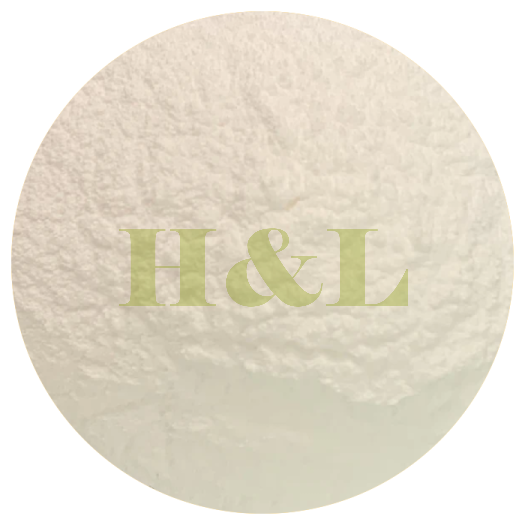
Zinc Sulfate Monohydrate
CAS:7446-19-7,Zinc Sulfate Monohydrate is a crystalline compound with the chemical formula ZnSO4·H2O. This white, odorless powder is a hydrated form of zinc sulfate, containing one molecule of water. Widely used in agriculture as a zinc supplement for crops, it enhances plant growth and prevents zinc deficiencies. In the pharmaceutical industry, it serves as a source of essential zinc in dietary supplements and medications. Its water-soluble nature makes it versatile for various applications, including the production of fertilizers, animal feeds, and as a reducing agent in chemical processes. Zinc Sulfate Monohydrate plays a crucial role in promoting health and growth in plants and animals.
Learn More
