



Categories
Subscribe to RSS Feed-
Potassium Formate
CAS:590-29-4,Potassium formate is a chemical compound with the formula HCOOK, composed of potassium and formic acid. This white, crystalline substance serves multiple purposes, notably as a de-icing agent on roads and an additive in drilling fluids in the oil and gas industry. Its hygroscopic nature makes it effective in reducing ice formation on surfaces. Additionally, potassium formate finds application in leather tanning, as a reducing agent in various chemical processes, and as a safe alternative to traditional de-icing salts due to its lower environmental impact. This compound plays a crucial role in diverse industrial and practical applications.
Learn More -
Potassium Hydroxide
CAS:1310-58-3,Potassium Hydroxide (KOH), a potent alkali, is an inorganic compound with the chemical formula KOH. Also known as caustic potash, it exists as a white, hygroscopic solid with strong alkaline properties. Often produced through electrolysis of potassium chloride, KOH is a crucial chemical in various industries. It serves as a base in the manufacture of soaps, detergents, and industrial cleaning agents. Additionally, it plays a vital role in the production of potassium salts, pharmaceuticals, and biodiesel. While highly reactive and corrosive, potassium hydroxide is fundamental in many chemical processes, showcasing its significance in diverse applications.
Learn More -
Potassium Metaphosphate
CAS:7790-53-6,Potassium metaphosphate, a chemical compound, finds application primarily in the food industry as a food additive and emulsifier. Its role lies in enhancing the stability and texture of processed food products, particularly in meat and seafood processing. As a sequestrant, it prevents discoloration and maintains the freshness of these products. Additionally, potassium metaphosphate is employed in water treatment processes, acting as a dispersant and preventing scale formation. Its versatility extends to various industrial applications where it serves as a buffering agent, contributing to the overall efficiency and performance of diverse processes, including those in the agricultural and textile industries.
Learn More -
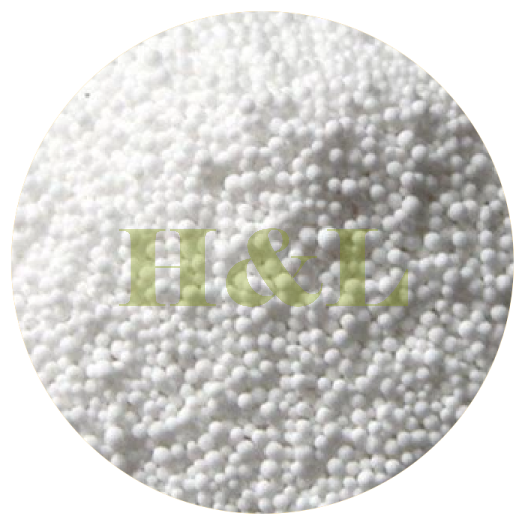
Potassium Nitrate
CAS:7757-79-1,Potassium nitrate, a compound with the formula KNO3, finds versatile applications. In agriculture, it serves as a fertilizer, providing essential nitrogen and potassium to plants, enhancing growth and yield. Its presence in gunpowder formulations contributes to explosive properties. In the food industry, it acts as a preservative, particularly in cured meats, preventing bacterial growth and enhancing flavor. Potassium nitrate also plays a role in pyrotechnics, providing the oxygen required for combustion in fireworks. Additionally, it serves in certain medical applications, such as toothpaste for sensitivity relief. Its diverse uses underscore its significance in agriculture, industry, and everyday life.
Learn More -

Potassium Oxalate
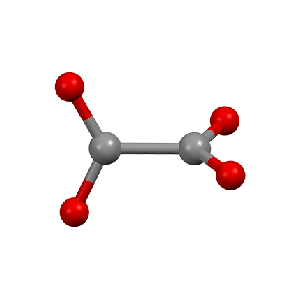
CAS:6487-48-5,Potassium oxalate is a chemical compound with the formula K2C2O4. It is a crystalline, odorless, and colorless salt that consists of potassium ions and oxalate ions. This compound is commonly used in analytical chemistry as a reducing agent and in various industrial processes. Potassium oxalate is soluble in water and forms alkaline solutions. In laboratories, it finds applications in titrations, particularly for determining calcium and heavy metal concentrations. Additionally, it is employed in some photographic developers. However, it's crucial to handle potassium oxalate with care as it can be toxic and may cause irritation upon contact.
Learn More -
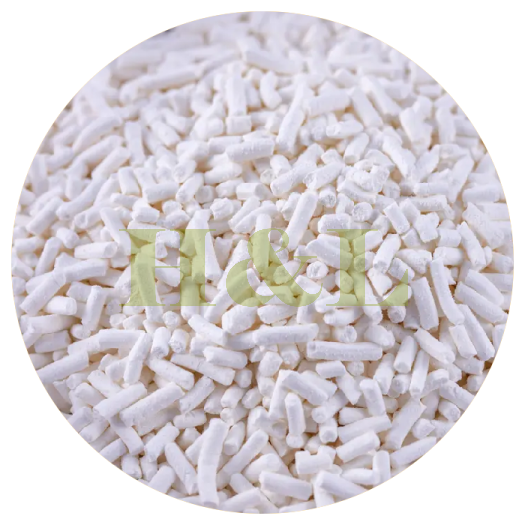
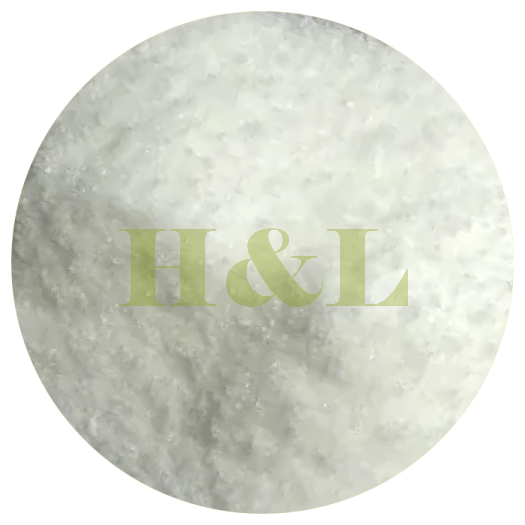
Potassium Sorbate
CAS:24634-61-5,Potassium sorbate, a widely used food preservative, is a salt of sorbic acid. With the chemical formula C6H7KO2, it inhibits the growth of molds, yeasts, and bacteria, extending the shelf life of various food products. Known for its effectiveness in preventing spoilage, potassium sorbate is particularly prevalent in items like cheese, wine, yogurt, and baked goods. It works by disrupting the microbial cell membranes, hindering their reproduction. Recognized for its safety and minimal impact on taste, color, and texture, potassium sorbate is an essential ingredient in the food industry to maintain product freshness and quality.
Learn More -
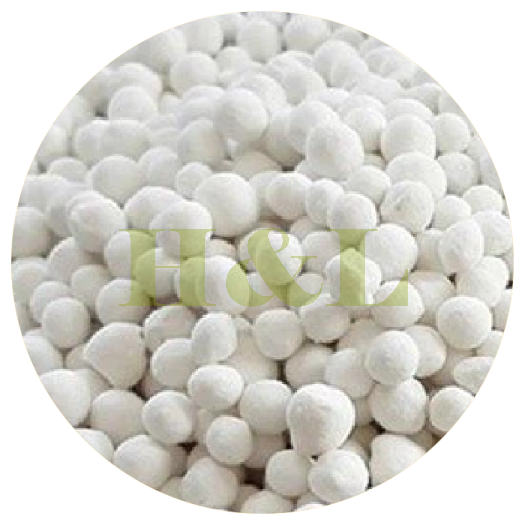
Potassium Sulphate
CAS:7778-80-5,Potassium sulfate, a chemical compound with the formula K2SO4, is a crystalline salt known for its diverse applications. Commonly referred to as sulfate of potash (SOP), it is a premium potassium fertilizer essential for plant growth. With a white, odorless appearance, it dissolves easily in water, providing a readily available source of potassium for crops. Potassium sulfate is crucial for promoting flowering, fruiting, and overall plant health. Beyond agriculture, it finds use in industrial processes, pharmaceuticals, and as a component in certain specialty fertilizers. Its versatility and role in supporting plant nutrition make it a valuable compound in various sectors.
Learn More -
Promethazine Hydrochloride
CAS:58-33-3,Promethazine HCl is an antihistamine used to treat allergy symptoms such as itching, runny nose, sneezing, itchy or watery eyes, and hives. It can also be used to prevent motion sickness, nausea, and vomiting, or as a sedative to help patients feel more relaxed before surgery. Additionally, Promethazine HCl may help with sleep issues due to its sedative properties. It works by blocking the effects of histamine, a substance in the body that causes allergy symptoms. Promethazine HCl should be taken under a doctor's supervision to avoid potential side effects.
Learn More -

Propafenone Hydrochloride
CAS:34183-22-7,Propafenone HCl is a medication used to treat certain types of serious irregular heartbeats (arrhythmias), such as atrial fibrillation and ventricular tachycardia. It works by stabilizing the electrical signals in the heart, helping to restore a normal heart rhythm. Propafenone HCl belongs to a class of drugs known as antiarrhythmics, specifically a Class 1C antiarrhythmic. It is typically prescribed for individuals who have not responded well to other medications. The drug is administered orally, and dosage varies based on individual patient needs and medical conditions. Regular monitoring is necessary during treatment.
Learn More -
Propionic Acid
CAS:79-09-4,Propionic acid is a colorless liquid with a pungent odor, primarily used as a preservative in food products, preventing mold and bacterial growth. It is also utilized in the production of various chemicals, including herbicides, plasticizers, and pharmaceuticals. Additionally, propionic acid serves as a key ingredient in animal feed to enhance gut health and promote growth in livestock. Its versatility extends to the manufacturing of personal care products and cosmetics, where it acts as a preservative and pH regulator. Overall, propionic acid plays a significant role in food safety and various industrial applications.
Learn More -
Riboflavin (vitamin B2)
CAS:83-88-5,Riboflavin, also known as vitamin B2, plays a crucial role in energy production and the metabolism of fats, drugs, and steroids. It is essential for the maintenance of healthy skin, eyes, and nerve functions. Riboflavin is commonly used as a dietary supplement to prevent or treat riboflavin deficiency, which can lead to symptoms like sore throat, redness, and swelling of the lining of the mouth and throat, cracks on the outsides of the lips, and inflammation of the tongue. It is also used in fortified foods and beverages to enhance nutritional value and support overall health.
Learn More -

Saccharose
CAS:56038-13-2,Saccharose, commonly known as table sugar, is widely used as a sweetener in various food and beverage products. It enhances flavor in baked goods, desserts, sauces, and beverages, contributing to both taste and texture. Saccharose also acts as a preservative in jams and jellies and helps in fermentation processes in brewing and baking. In addition to its culinary uses, saccharose is utilized in the pharmaceutical industry as a sweetening agent in syrups and medications, making them more palatable
Learn More
