
Search results for: 'calcium to/'
-
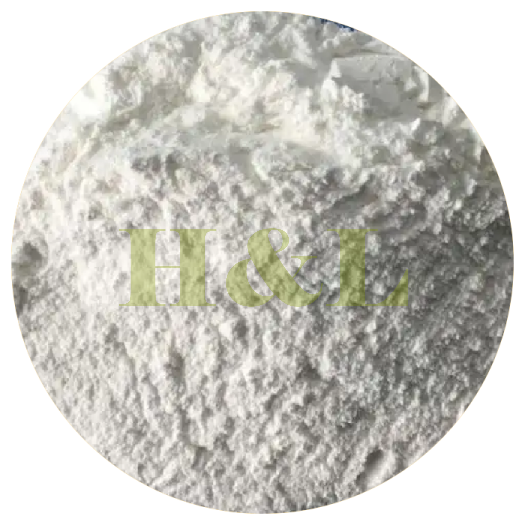
Trimagnesium Phosphate
CAS:7757-87-1,Trimagnesium phosphate, composed of magnesium and phosphate ions, serves various purposes in different industries. In the food industry, it acts as a pH regulator, stabilizing agents in dairy products, and a leavening agent in baked goods. In pharmaceuticals, it's employed as a binder in tablet formulations. Additionally, trimagnesium phosphate finds applications in water treatment as a coagulant and in the cosmetics industry as a thickening agent. Its versatile nature and compatibility with different processes make it a valuable ingredient in various manufacturing sectors, contributing to the quality and functionality of end products.
Learn More -
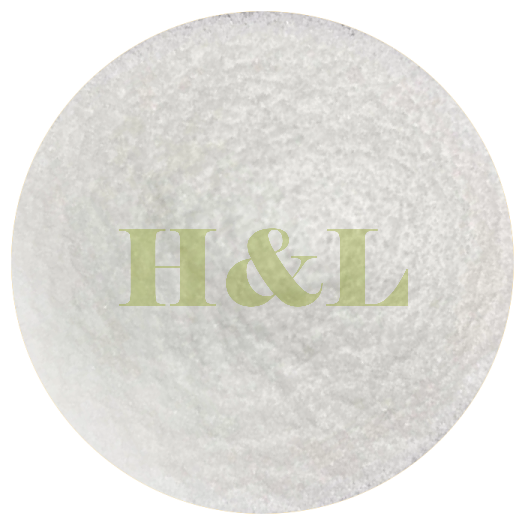
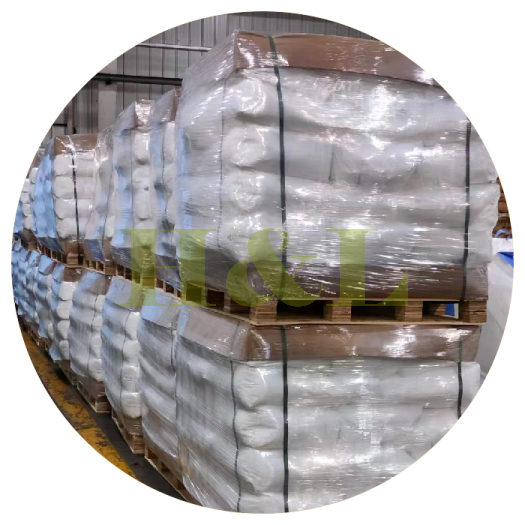
Polyacrylamide (PAM)
CAS:9003-05-8,Thickening Agent: In the oil and gas industry, polyacrylamide is used as a thickening agent in enhanced oil recovery processes. It increases the viscosity of water, improving its ability to carry proppants and enhancing oil recovery from reservoirs. Learn More -

Choline Chloride
CAS:67-48-1,Choline chloride is a vital nutrient commonly used as a feed additive in animal nutrition, promoting healthy growth and development in livestock and poultry. It supports liver function, fat metabolism, and improves overall health. In human nutrition, choline chloride is used in dietary supplements and fortified foods to support brain health, liver function, and cellular structure. It also plays a role in the synthesis of acetylcholine, a neurotransmitter essential for memory and muscle control. Additionally, it is utilized in industrial applications, such as in the production of cosmetics and pharmaceuticals.
Learn More -

Urea
CAS:57-13-6,Urea, also known as carbamide, is a widely used nitrogen fertilizer in agriculture. It provides plants with a high concentration of nitrogen, which promotes healthy growth and improves crop yields. Urea is applied directly to the soil or mixed with water for irrigation. Aside from agriculture, it is used in the chemical industry for the production of plastics, resins, and adhesives. Urea is also a key component in automotive diesel exhaust fluid (DEF), reducing harmful nitrogen oxide emissions. Additionally, it's found in pharmaceuticals and cosmetics as a moisturizing agent.
Learn More -

Oleic acid
CAS:112-80-1,Oleic acid can be employed as an emulsifying agent in certain formulations. It helps to create stable emulsions by facilitating the mixing of oil and water. In the context of oil drilling, emulsions can be useful in specific processes, such as the formulation of drilling muds or fluids. Learn More -
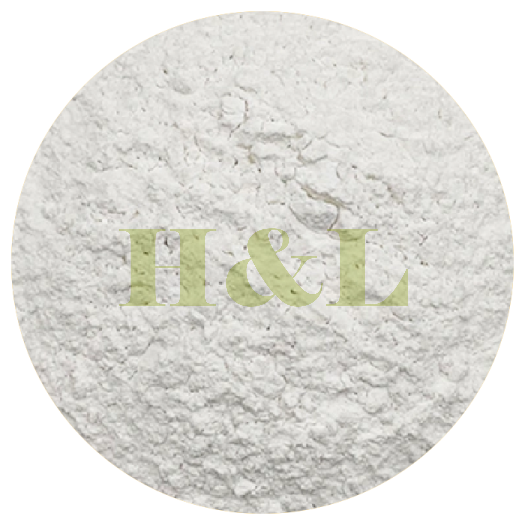
Anhydrous Sodium Acetate
CAS:127-09-3,Anhydrous Sodium Acetate, a crystalline compound, serves diverse industrial applications. Primarily, it acts as a buffering agent in the pharmaceutical industry, regulating acidity and stabilizing the pH of formulations. In the food industry, it functions as a preservative and acidity regulator. Additionally, it finds use in the textile sector as a dyeing and fixing agent. Anhydrous Sodium Acetate also plays a role in the heating pads, serving as a phase-change material that releases heat when crystallizing. Its versatility and ability to control acidity make it an essential component in various processes across pharmaceuticals, food, textiles, and heat-related applications.
Learn More -

Ammonium Acetate
CAS:631-61-8,Ammonium acetate, a white crystalline salt, finds application in diverse industries. In the laboratory, it serves as a buffering agent, maintaining a stable pH environment for various chemical reactions. Additionally, it is utilized in chromatography, aiding in protein purification and separation processes. In the field of mass spectrometry, ammonium acetate is employed as a volatile buffer, facilitating the ionization of analytes. Furthermore, it plays a role in the manufacturing of certain pharmaceuticals and is used in some food and beverage processes. Its versatility stems from its ability to act as a source of acetate ions, influencing reactions in both organic and inorganic chemistry.
Learn More -
Dipotassium Phosphate Anhydrous
CAS:7758-11-4,Dipotassium Phosphate Anhydrous, a water-soluble salt of phosphoric acid, serves multiple roles in various industries. Primarily utilized as a food additive, it acts as a buffering agent and emulsifier in processed foods and beverages, maintaining pH levels and enhancing stability. In the pharmaceutical sector, it finds application as a pH regulator in certain medications. Moreover, Dipotassium Phosphate Anhydrous serves as a nutrient source in agricultural settings, supporting plant growth. Its water-solubility and ability to adjust acidity make it valuable in diverse industrial processes, demonstrating its versatility across food, pharmaceutical, agricultural, and industrial applications.
Learn More -
Monosodium Phosphate (MSP)
CAS:7558-80-7,Monosodium Phosphate (MSP) is a versatile compound utilized in diverse applications. In the food industry, it acts as a pH regulator, emulsifier, and buffering agent, enhancing the stability of processed foods. As a component in cleaning products, it serves as a water softener and aids in detergent effectiveness. In the medical field, Monosodium Phosphate finds use in certain medications for its buffering properties. Additionally, it has applications in the water treatment industry, where it helps prevent scaling in pipes. MSP's multifaceted nature makes it valuable in various sectors, contributing to improved processes and product quality.
Learn More -
Sodium hexametaphosphate (SHMP)
CAS:68915-31-1,Sodium hexametaphosphate (SHMP) is a versatile chemical compound with diverse applications. In the food industry, it serves as a sequestrant and emulsifier, preventing discoloration and maintaining the texture of processed foods. As a water treatment agent, SHMP effectively controls scale formation and improves water quality in industrial processes. In the detergent industry, it acts as a builder, enhancing the cleaning efficiency of laundry and dishwashing products. Furthermore, SHMP finds use in various industrial processes, such as metal treatment and petroleum production, where its properties as a complexing agent and dispersant contribute to improved performance and efficiency.
Learn More -
Magnesium Citrate
CAS:153531-96-5,Magnesium citrate is a compound comprised of magnesium and citric acid, renowned for its bioavailability and efficacy. Often used as a dietary supplement, it plays a pivotal role in numerous physiological processes, including muscle function, energy production, and bone health. Its high solubility ensures efficient absorption in the digestive tract, making it a preferred form of magnesium supplementation. Magnesium citrate is recognized for its gentle laxative effect, aiding in relieving constipation. This versatile compound is available in various formulations, including powders and liquid solutions, providing individuals with a convenient means to meet their magnesium requirements for overall well-being.
Learn More -

Ammonium Citrate
CAS:3458-72-8,Ammonium citrate is a chemical compound with a variety of applications. It is derived from citric acid and is commonly used in the food industry as an acidity regulator and emulsifier. In addition to its role in food, ammonium citrate finds use in the medical field as a diagnostic reagent for blood clotting tests. Its chelating properties make it valuable in various industrial processes, including water treatment and metal cleaning. As a versatile compound, ammonium citrate exhibits buffering properties, influencing pH levels in numerous applications. Its diverse uses highlight its significance in both the chemical and commercial sectors.
Learn More