
Search results for: 'calcium to/'
-
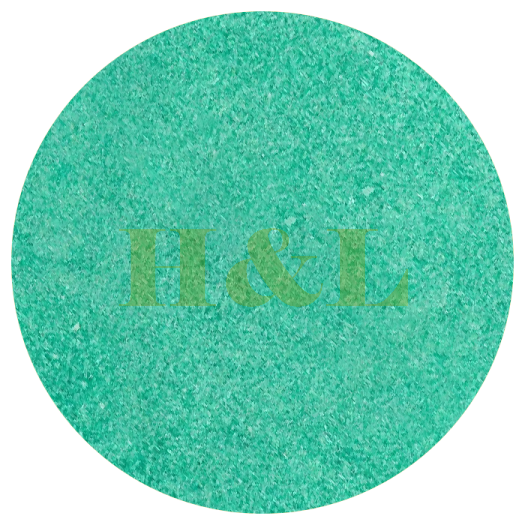
Copper Oxalate
CAS:814-91-5,Copper Oxalate, a chemical compound with the formula CuC2O4, represents the combination of copper ions with oxalate ions. This crystalline substance is characterized by its distinctive green color and is sparingly soluble in water. Widely used in laboratories and industries, copper oxalate serves as a catalyst in various chemical reactions. It finds application in electroplating processes and as a precursor for the synthesis of other copper compounds. Additionally, its unique properties make it relevant in the field of coordination chemistry, contributing to the understanding of metal-ligand interactions. Copper oxalate's varied applications highlight its significance in both academic and industrial settings.
Learn More -
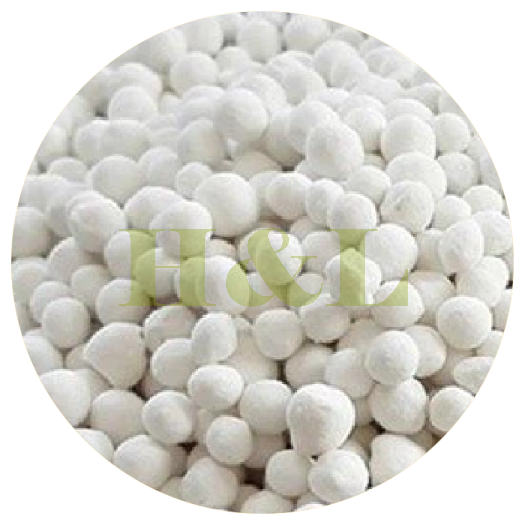
Potassium Sulphate
CAS:7778-80-5,Potassium sulfate, a chemical compound with the formula K2SO4, is a crystalline salt known for its diverse applications. Commonly referred to as sulfate of potash (SOP), it is a premium potassium fertilizer essential for plant growth. With a white, odorless appearance, it dissolves easily in water, providing a readily available source of potassium for crops. Potassium sulfate is crucial for promoting flowering, fruiting, and overall plant health. Beyond agriculture, it finds use in industrial processes, pharmaceuticals, and as a component in certain specialty fertilizers. Its versatility and role in supporting plant nutrition make it a valuable compound in various sectors.
Learn More -
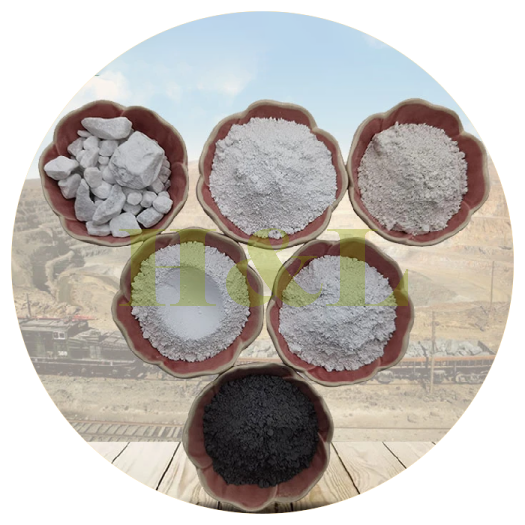
Barium sulfate (Barite)
CAS:7727-43-7,Barium sulfate, commonly known as Barite, is a naturally occurring mineral with various industrial applications. Recognized for its high density and chemical inertness, Barite is extensively used in the oil and gas industry as a drilling fluid additive to control wellbore pressures. In medical imaging, it serves as a radiopaque contrast medium in X-rays and CT scans, aiding in visualizing the gastrointestinal tract. Its dense and non-reactive nature makes it valuable in the production of paints, coatings, and plastics. Barium sulfate's white, powdery form is characterized by its insolubility in water, ensuring stability and reliability in diverse industrial processes.
Learn More -
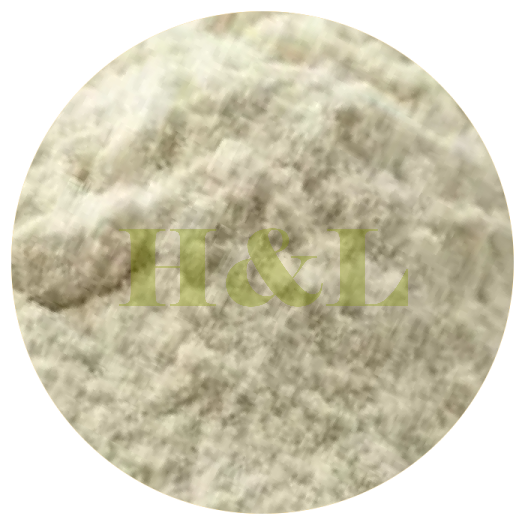
Xanthan gum
CAS:11138-66-2,Drilling Fluids: Xanthan gum is used in drilling fluids in the oil and gas industry. It helps control viscosity and suspend solids, preventing settling during drilling operations. Learn More -
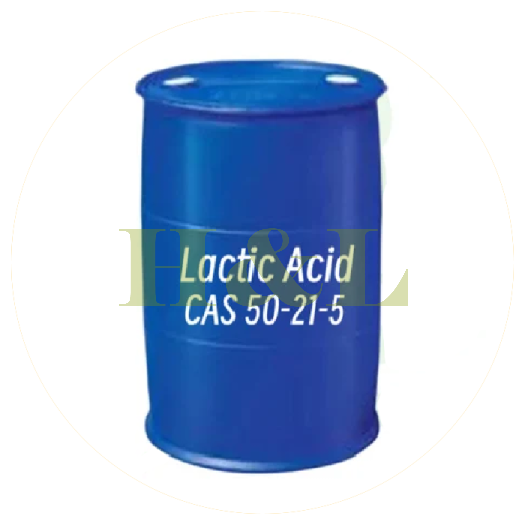
Lactic Acid
CAS:50-21-5,Lactic acid is a naturally occurring organic acid widely used in the food, cosmetic, and pharmaceutical industries. In food, it acts as a preservative, pH regulator, and flavoring agent, often found in dairy products, pickled vegetables, and fermented foods. In cosmetics, lactic acid serves as an exfoliant and skin-hydrating agent in products like lotions, creams, and chemical peels. It is also used in pharmaceuticals as a buffering agent and in biodegradable polymers for medical applications.
Learn More -
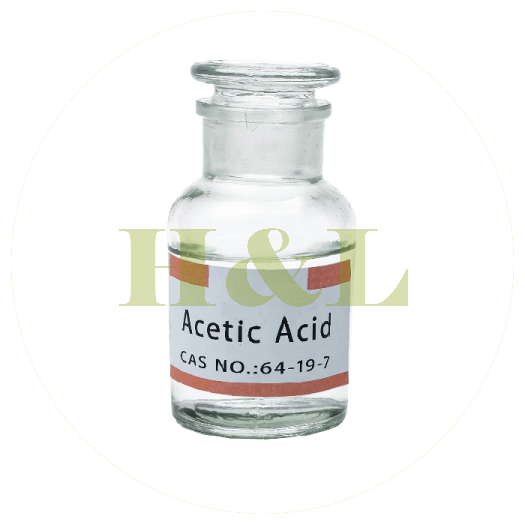
Acetic acid
CAS:64-19-7, Solvent: Acetic acid serves as a solvent in the production of various chemicals, including acetate esters and plasticizers. Intermediate in Chemical Synthesis: It is used as an intermediate in the synthesis of numerous chemicals and pharmaceuticals. Learn More -
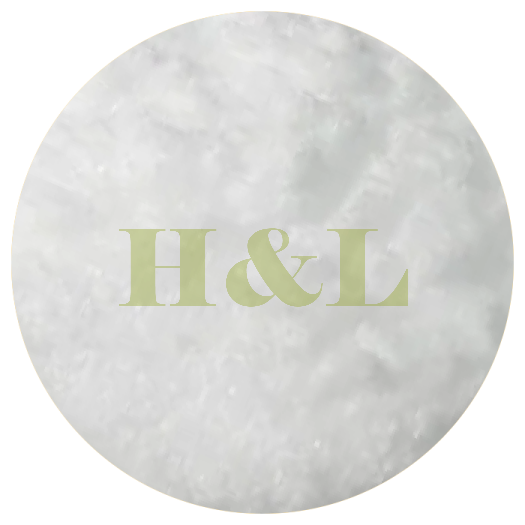
L-Arabinose
CAS:5328-37-0,L-Arabinose is a natural sugar found in plants and is used as a functional ingredient in food and dietary supplements. It inhibits the activity of sucrase, an enzyme responsible for breaking down sucrose, which helps reduce the absorption of sugar and control blood sugar levels. L-Arabinose is commonly used in weight management products, diabetic-friendly foods, and low-calorie sweeteners. It is also utilized in the production of biofuels and in biochemistry research
Learn More -
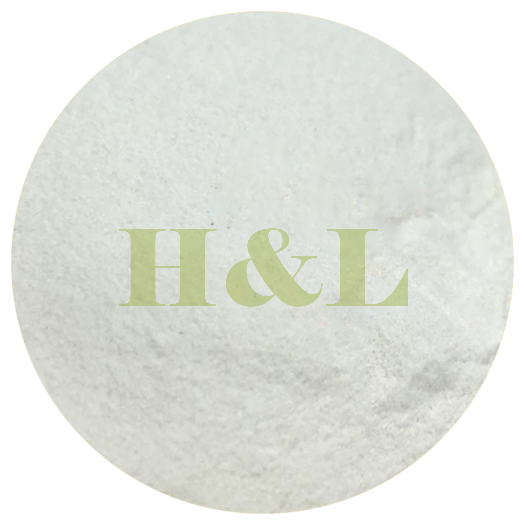
Polyanionic Cellulose (PAC)
CAS:9004-32-4,Drilling Fluid Additive: One of the primary uses of polyanionic cellulose is in the oil and gas industry as an additive in drilling fluids. It helps control the rheology of drilling fluids, preventing excessive fluid loss and maintaining stability in various downhole conditions. Learn More -
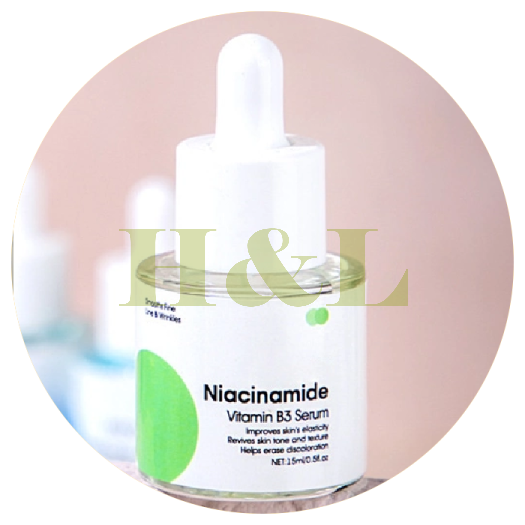
Nacinamide
CAS:98-92-0,Niacinamide, also known as vitamin B3, is widely used in skincare for its numerous benefits. It helps improve skin texture, reduce the appearance of fine lines and wrinkles, and minimize enlarged pores. Niacinamide also enhances the skin's barrier function, preventing moisture loss and protecting against environmental stressors. Additionally, it is effective in reducing hyperpigmentation and redness, making it suitable for sensitive and acne-prone skin. This versatile ingredient is commonly found in serums, moisturizers, and other skincare products.
Learn More -
Potassium Hydroxide
CAS:1310-58-3,Potassium Hydroxide (KOH), a potent alkali, is an inorganic compound with the chemical formula KOH. Also known as caustic potash, it exists as a white, hygroscopic solid with strong alkaline properties. Often produced through electrolysis of potassium chloride, KOH is a crucial chemical in various industries. It serves as a base in the manufacture of soaps, detergents, and industrial cleaning agents. Additionally, it plays a vital role in the production of potassium salts, pharmaceuticals, and biodiesel. While highly reactive and corrosive, potassium hydroxide is fundamental in many chemical processes, showcasing its significance in diverse applications.
Learn More -

Zinc Chloride
CAS:7646-85-7,Zinc chloride (ZnCl₂) is a versatile chemical compound used in various applications. In the industrial sector, it serves as a flux in metallurgy and soldering, enhancing the flow of molten metal. It's also utilized in the production of adhesives, paints, and coatings. In the pharmaceutical field, zinc chloride acts as an antiseptic and astringent, found in some medicinal formulations. Additionally, it plays a role in the preparation of other zinc compounds and as a catalyst in chemical reactions. Its hygroscopic nature makes it useful in moisture control and desiccation processes.
Learn More -
Organic bentonite
CAS:68911-87-5,Organic bentonite, specifically organically modified or treated bentonite clay, finds applications in the oil drilling industry, primarily as a rheological control additive in drilling fluids. Bentonite clay, in its natural form, is a key component of drilling fluids, but its performance can be enhanced by organic modification Learn More