
Search results for: 'calcium to/'
-
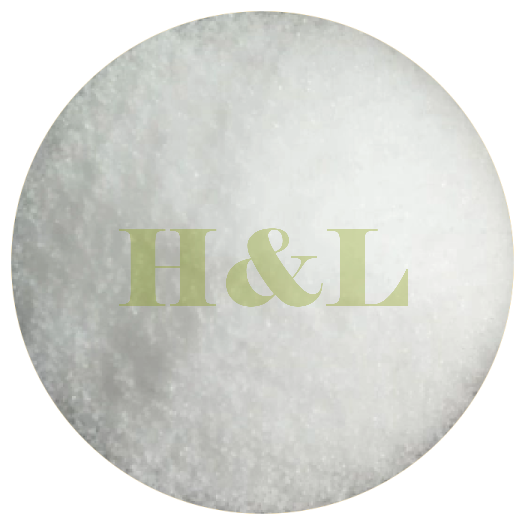
Monosodium Phosphate (MSP)
CAS:7558-80-7,Monosodium Phosphate (MSP) is a versatile compound utilized in diverse applications. In the food industry, it acts as a pH regulator, emulsifier, and buffering agent, enhancing the stability of processed foods. As a component in cleaning products, it serves as a water softener and aids in detergent effectiveness. In the medical field, Monosodium Phosphate finds use in certain medications for its buffering properties. Additionally, it has applications in the water treatment industry, where it helps prevent scaling in pipes. MSP's multifaceted nature makes it valuable in various sectors, contributing to improved processes and product quality.
Learn More -
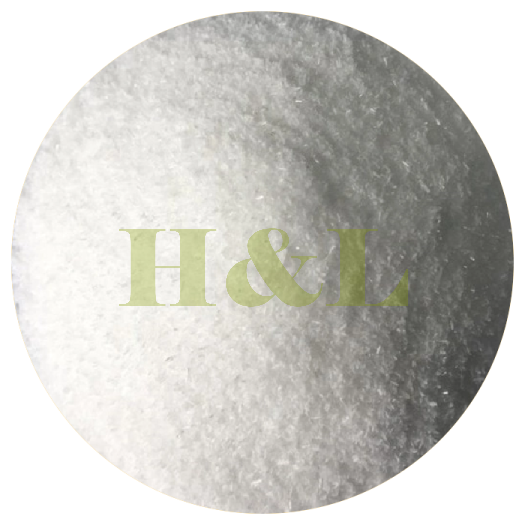
Sodium hexametaphosphate (SHMP)
CAS:68915-31-1,Sodium hexametaphosphate (SHMP) is a versatile chemical compound with diverse applications. In the food industry, it serves as a sequestrant and emulsifier, preventing discoloration and maintaining the texture of processed foods. As a water treatment agent, SHMP effectively controls scale formation and improves water quality in industrial processes. In the detergent industry, it acts as a builder, enhancing the cleaning efficiency of laundry and dishwashing products. Furthermore, SHMP finds use in various industrial processes, such as metal treatment and petroleum production, where its properties as a complexing agent and dispersant contribute to improved performance and efficiency.
Learn More -
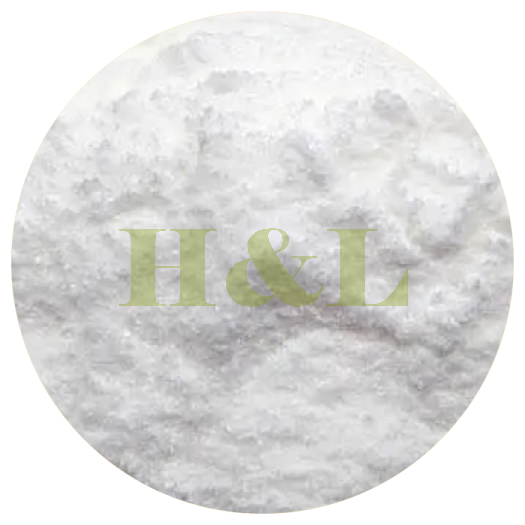
Magnesium Citrate
CAS:153531-96-5,Magnesium citrate is a compound comprised of magnesium and citric acid, renowned for its bioavailability and efficacy. Often used as a dietary supplement, it plays a pivotal role in numerous physiological processes, including muscle function, energy production, and bone health. Its high solubility ensures efficient absorption in the digestive tract, making it a preferred form of magnesium supplementation. Magnesium citrate is recognized for its gentle laxative effect, aiding in relieving constipation. This versatile compound is available in various formulations, including powders and liquid solutions, providing individuals with a convenient means to meet their magnesium requirements for overall well-being.
Learn More -

Ammonium Citrate
CAS:3458-72-8,Ammonium citrate is a chemical compound with a variety of applications. It is derived from citric acid and is commonly used in the food industry as an acidity regulator and emulsifier. In addition to its role in food, ammonium citrate finds use in the medical field as a diagnostic reagent for blood clotting tests. Its chelating properties make it valuable in various industrial processes, including water treatment and metal cleaning. As a versatile compound, ammonium citrate exhibits buffering properties, influencing pH levels in numerous applications. Its diverse uses highlight its significance in both the chemical and commercial sectors.
Learn More -
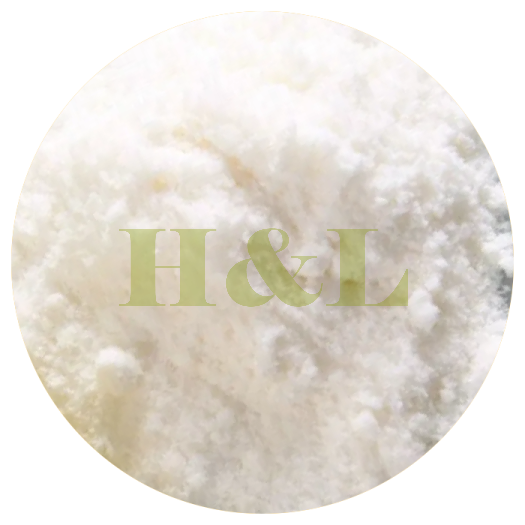
Ammonium Formate
CAS:540-69-2,Ammonium formate is a chemical compound with the formula NH4HCO2. This white crystalline solid is the ammonium salt of formic acid. Known for its hygroscopic nature, it readily absorbs moisture from the air. Ammonium formate is commonly used in analytical chemistry as a reducing agent and is vital in various chemical reactions. It serves as a stable source of formic acid and finds applications in catalysis and organic synthesis. Its water solubility and compatibility with a range of solvents make it versatile in laboratory settings, contributing to its significance in scientific research and industrial processes.
Learn More -
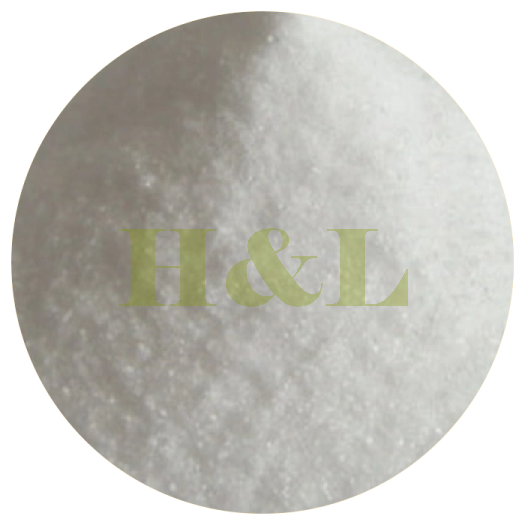
Sodium Propionate
CAS:137-40-6,Sodium propionate is a food additive and preservative, commonly represented by the chemical formula C3H5NaO2. As the sodium salt of propionic acid, it is renowned for its antimicrobial properties, inhibiting the growth of molds and bacteria in various food products. Widely used in the bakery industry to prevent mold formation and extend shelf life, sodium propionate is effective at low concentrations. Recognized as safe by regulatory authorities, it plays a crucial role in maintaining the freshness and quality of baked goods while ensuring consumer safety. Its versatility and efficacy make sodium propionate a key component in food preservation strategies.
Learn More -

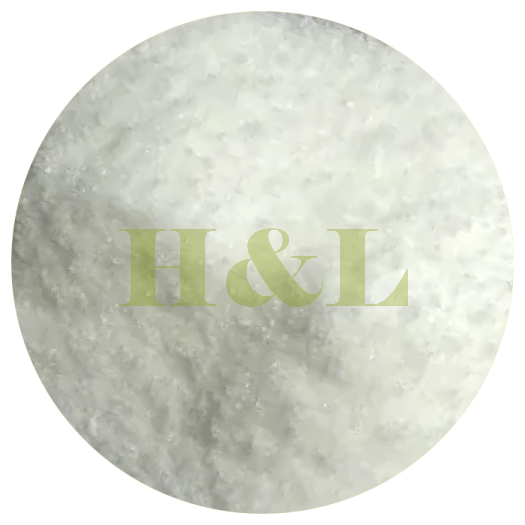
Potassium Sorbate
CAS:24634-61-5,Potassium sorbate, a widely used food preservative, is a salt of sorbic acid. With the chemical formula C6H7KO2, it inhibits the growth of molds, yeasts, and bacteria, extending the shelf life of various food products. Known for its effectiveness in preventing spoilage, potassium sorbate is particularly prevalent in items like cheese, wine, yogurt, and baked goods. It works by disrupting the microbial cell membranes, hindering their reproduction. Recognized for its safety and minimal impact on taste, color, and texture, potassium sorbate is an essential ingredient in the food industry to maintain product freshness and quality.
Learn More -
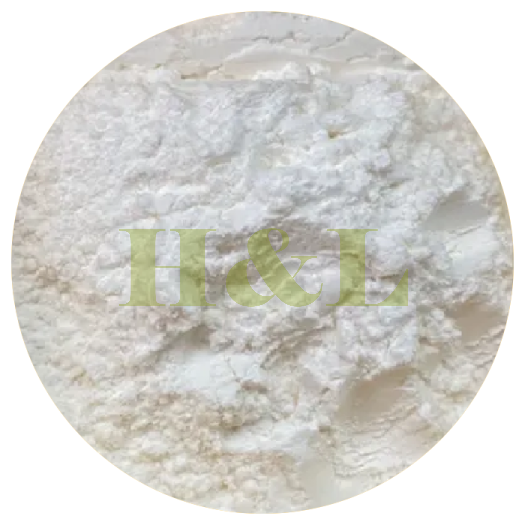
Oxalic Acid
CAS:6153-56-6,Oxalic acid, a dicarboxylic acid, exists in nature and is also synthetically produced. Its chemical formula is C2H2O4. Found in various plants, it serves as a part of the plant's defense mechanism against herbivores. In its synthetic form, oxalic acid is a crystalline, odorless solid, soluble in water. It is widely used as a cleaning agent for rust and mineral deposits, and as a bleach in the textile and wood industries. While it has industrial applications, caution is required due to its toxicity; excessive exposure or ingestion can be harmful, and protective measures are necessary during handling.
Learn More -

Zinc Sulphate Heptahydrate
CAS:7446-20-0-1,Zinc Sulphate Heptahydrate is a crystalline, water-soluble compound with the chemical formula ZnSO4·7H2O. Recognized for its role in agriculture, it serves as a vital zinc supplement for plants, correcting deficiencies in soils. The heptahydrate form appears as colorless, transparent crystals with a characteristic efflorescent nature. Widely used in fertilizers to enhance crop yield, it facilitates plant growth and development. Beyond agriculture, Zinc Sulphate Heptahydrate finds applications in various industries, including water treatment, animal nutrition, and pharmaceuticals, showcasing its versatility and importance in promoting overall plant health and addressing zinc deficiencies.
Learn More -
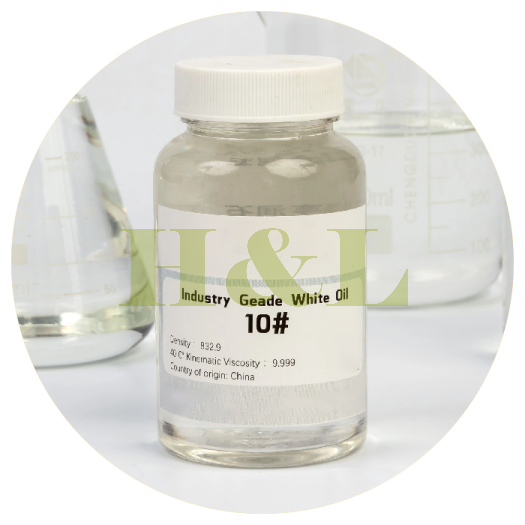
Mineral Oil
CAS:8042-47-5,Mineral oil, a colorless and odorless liquid derived from petroleum, boasts versatile applications. Known for its purity and consistency, it is a common ingredient in skincare products, functioning as a moisturizer and emollient. In industrial settings, mineral oil serves as a lubricant, coolant, and insulator due to its excellent heat transfer properties. Additionally, it finds use in the pharmaceutical and food industries, where its inert nature makes it suitable for various formulations. Despite its broad utility, concerns about potential environmental impact and its derived source emphasize the need for careful consideration in its use and disposal.
Learn More -
Monoammonium Phosphate (MAP)
CAS:7722-76-1 map,Monoammonium Phosphate (MAP) is a versatile phosphate fertilizer with essential applications in agriculture. Comprising a high concentration of phosphorus and nitrogen, MAP serves as a crucial nutrient source for plants, promoting robust root development, flowering, and fruiting. Its water-soluble nature ensures quick absorption by crops, enhancing overall yield and quality. MAP is a preferred choice for various crops, including cereals, fruits, and vegetables. Additionally, its compatibility with other fertilizers makes it valuable for customized nutrient management programs. Beyond agriculture, MAP is utilized as a fire-retardant in certain industries due to its flame-suppressing properties.
Learn More -

Sodium Tripolyphosphate (STPP)
CAS:7758-29-4,Sodium Tripolyphosphate (STPP) is a versatile chemical compound with various applications. Primarily employed as a builder in detergent formulations, STPP enhances the cleaning efficiency of laundry and dishwashing products by preventing the deposition of dirt on fabrics and surfaces. In the food industry, it acts as a preservative and emulsifier, improving the texture and shelf life of processed meats and seafood. Additionally, STPP finds utility in water treatment processes, serving as a scale inhibitor to prevent the formation of deposits in pipes and boilers. Its multifunctional properties make Sodium Tripolyphosphate a valuable ingredient in diverse industrial and household applications.
Learn More