
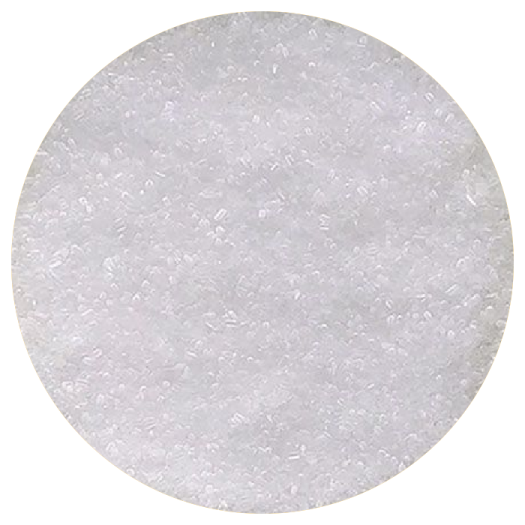
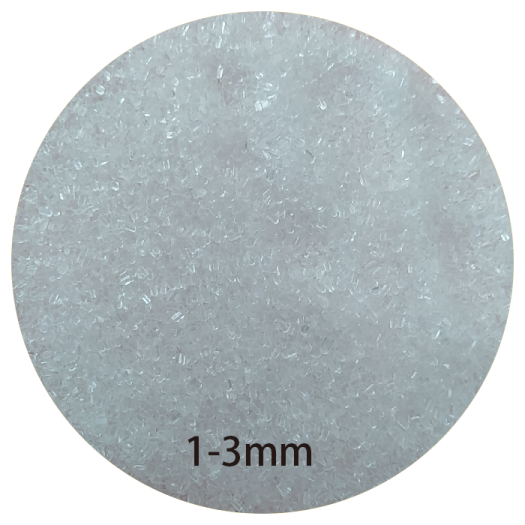
Magnesium sulphate (FCC Grade, FCC 5 / FCC 6) is widely used in the food, beverage, and pharmaceutical industries. It functions as a mineral supplement, firming agent, and processing aid, providing an essential source of magnesium in dietary products. In food applications, it is used in bottled water, nutritional drinks, and dairy processing to adjust mineral balance and improve texture. In pharmaceuticals, FCC-grade magnesium sulphate is used in laxatives, electrolyte solutions, and oral supplements due to its high purity and compliance with Food Chemicals Codex standards, ensuring safety, consistency, and reliable performance.
Search results for: 'magnesium sulfate ot'
- New
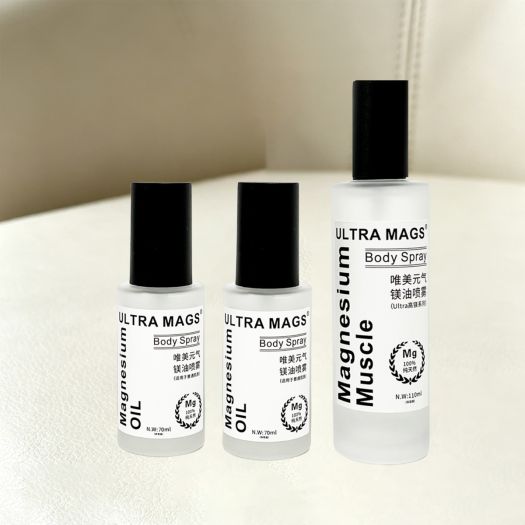

Magnesium Salt Spray
Magnesium Salt Spray is a convenient topical solution formulated with high-quality magnesium salts to support everyday body care and relaxation. Designed for easy application, the fine mist can be sprayed directly onto the skin and gently massaged for a refreshing experience. It is ideal for use after exercise, sports, long working hours, or as part of a daily wellness routine. The magnesium-rich formula is quick to apply, non-greasy, and suitable for home, gym, or travel use. Magnesium Salt Spray can also be incorporated into massage and personal-care routines, providing a simple and practical way to enjoy magnesium-based skincare. Learn More - New
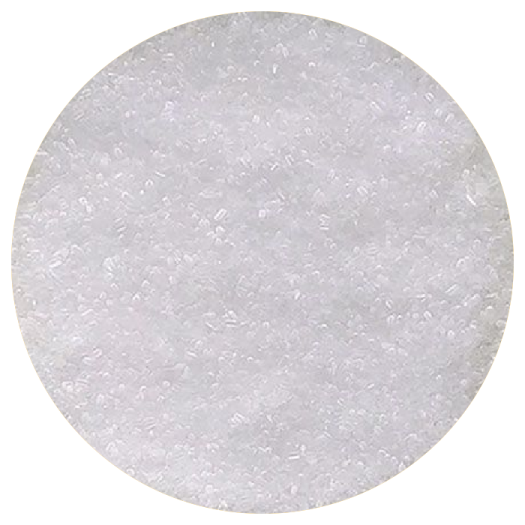
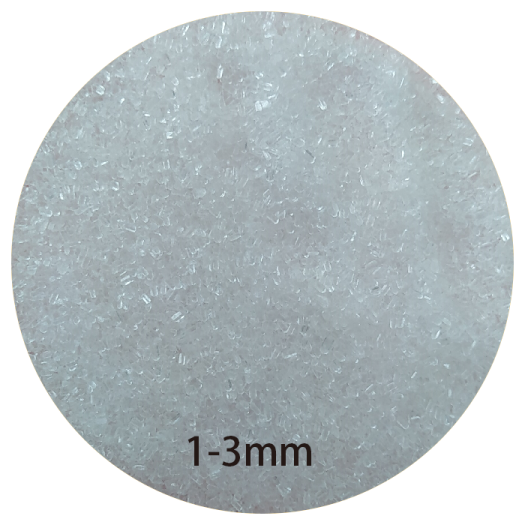
Magnesium sulphate (JECFA 2007)
Magnesium sulphate, as evaluated by JECFA (2007), is used primarily as a food additive and nutrient source. It functions as a firming agent, acidity regulator, and nutrient supplement, contributing magnesium to the diet. JECFA concluded that magnesium sulphate has low toxicity and established that its use is acceptable when consumed within normal dietary exposure levels, with no need for a numerical ADI (Acceptable Daily Intake). It is commonly applied in foods such as beverages, dietary supplements, and processed foods, where magnesium fortification is required. Proper use follows Good Manufacturing Practice (GMP) to ensure safety and nutritional suitability.
Learn More - New
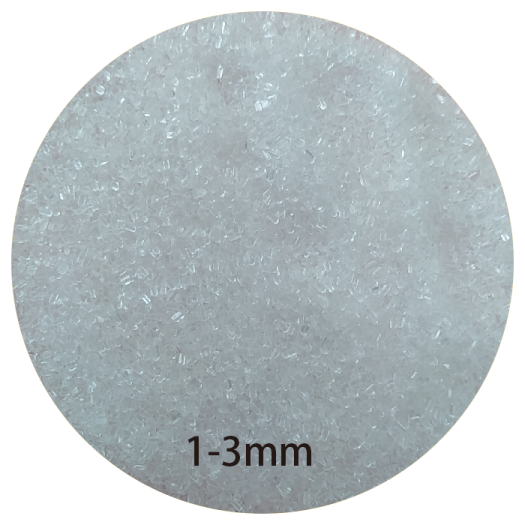
Magnesium sulphate anhydrate (CP2000)
Magnesium sulphate anhydrous (CP 2000) is mainly used in pharmaceutical, food, and industrial applications in accordance with the Chinese Pharmacopoeia standards. In pharmaceuticals, it is used as a magnesium supplement, electrolyte source, and excipient in oral and injectable formulations. It may also be used as a laxative or in preparations requiring precise magnesium content. In food and feed industries, it can serve as a mineral additive where regulations allow. Industrially, it is applied as a drying agent, desiccant, and chemical processing aid, valued for its high purity, stability, and reliable performance.
Learn More - New
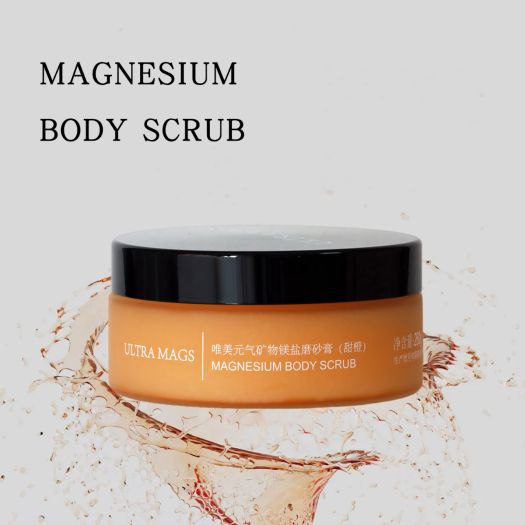

Orange Magnesium Body Scrub
Orange Magnesium Body Scrub is a refreshing body-care treatment combining magnesium-rich exfoliating crystals with the bright, uplifting essence of orange. Designed to gently remove dead skin cells and surface impurities, it helps leave the skin feeling smoother, softer, and refreshed. Magnesium salts provide an effective mineral-based exfoliating texture, while orange adds a fresh citrus aroma that transforms everyday skincare into an invigorating experience. Ideal for use on the arms, legs, feet, and body, this scrub is perfect for regular self-care routines. Its energizing citrus fragrance and mineral-rich formula leave your skin feeling clean, polished, revitalized, and beautifully refreshed. Learn More - New
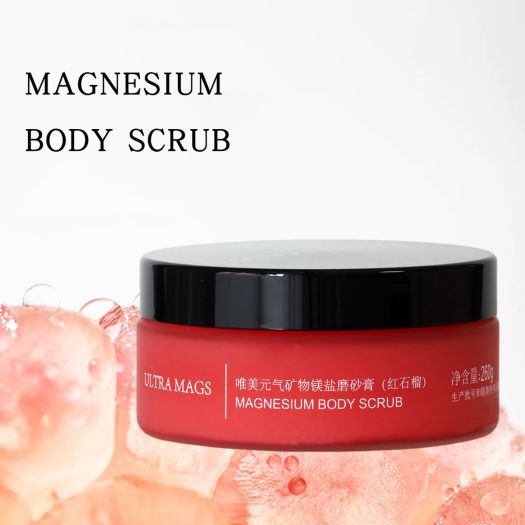

Pomegranate Magnesium Body Scrub
Pomegranate Magnesium Body Scrub is a refreshing mineral-rich body treatment designed to cleanse, exfoliate, and revitalize the skin. Formulated with magnesium-rich crystals and the naturally refreshing essence of pomegranate, this scrub gently removes dead skin cells and impurities, leaving the skin feeling smoother, softer, and renewed. Magnesium provides a luxurious mineral spa experience, while pomegranate adds a fresh, fruity character and antioxidant-inspired appeal. Its rich texture is ideal for regular body care, helping improve the feel and appearance of dry, rough skin. Perfect for home spa routines, it leaves the body feeling clean, polished, refreshed, and beautifully pampered. Learn More - New
Magnesium sulphate anhydrate (USP31)
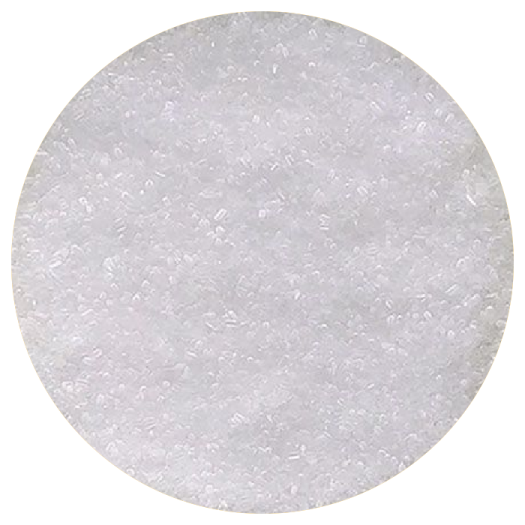
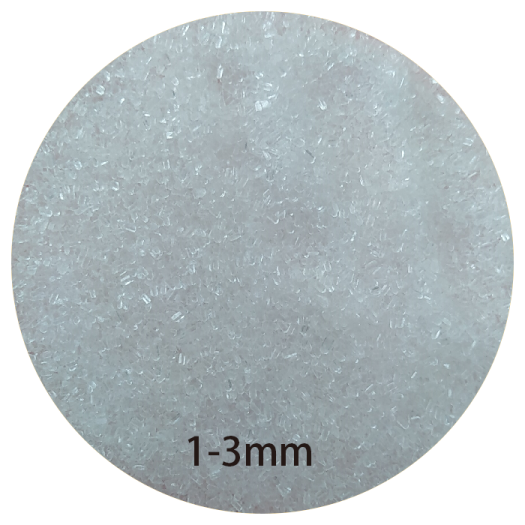
Magnesium sulphate anhydrous (USP 31) is widely used in pharmaceutical, medical, and industrial applications. In pharmaceuticals, it serves as an electrolyte replenisher and is used in formulations requiring magnesium supplementation. It is also used as a laxative and as an ingredient in injectable and oral dosage forms meeting USP purity standards. In food and nutrition, it may act as a mineral fortifier where permitted. Industrially, it is applied as a drying agent, desiccant, and processing aid in chemical manufacturing. Its anhydrous form offers high purity, stability, and precise dosing for regulated applications.
Learn More - New


Lavender Magnesium Body Scrub
Lavender Magnesium Body Scrub is a refreshing body-care treatment combining magnesium-rich crystals with the soothing aroma of lavender. Designed to gently exfoliate the skin, it helps remove dead skin cells and leaves the body feeling smooth, soft, and refreshed. The natural texture provides an invigorating massage experience, while lavender creates a calming, spa-inspired fragrance ideal for relaxation and self-care routines. Perfect for use during baths or showers, this scrub is suitable for regular body care, especially on rough areas such as elbows, knees, and feet. Enjoy a simple, luxurious way to refresh your skin and unwind. Learn More - New
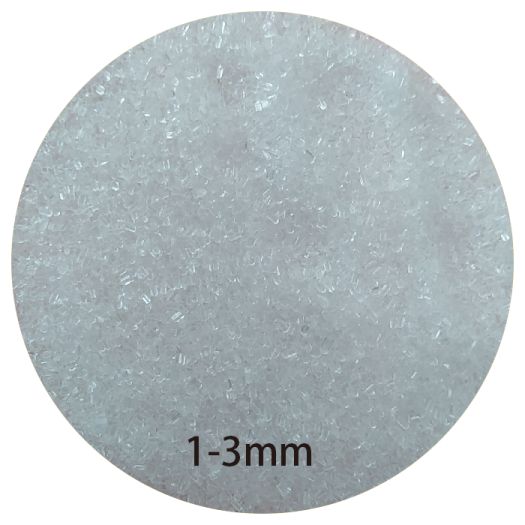
Magnesium sulphate (Japan food additive 2009)
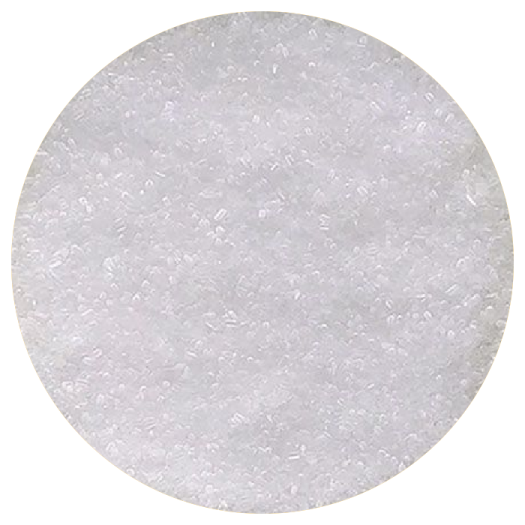
Magnesium sulphate (Japan Food Additive Standards, 2009) is widely used in the food industry as a firming agent, processing aid, and nutrient supplement. It helps improve texture and stability in products such as tofu, soy-based foods, canned vegetables, and seafood by promoting protein coagulation and firmness. Magnesium sulphate also serves as a source of magnesium, contributing to nutritional fortification in certain foods and beverages. In food processing, it can regulate acidity and support fermentation control. When used in accordance with the Japan Food Additive Standards, magnesium sulphate is considered safe and effective for maintaining food quality and functional performance.
Learn More -
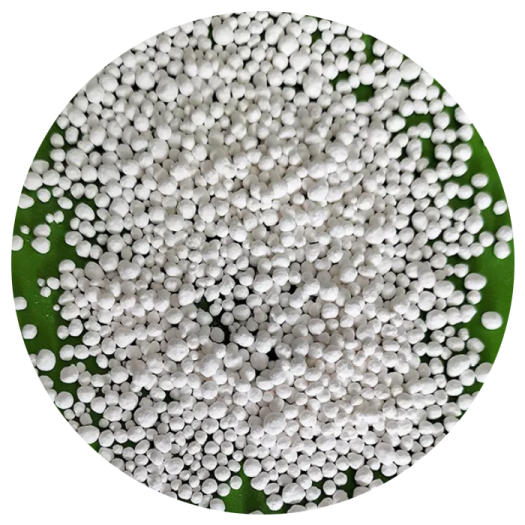
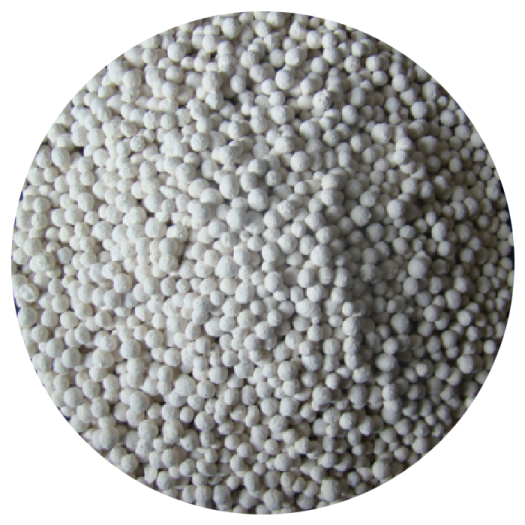
Kieserite/Magnesium Sulphate Monohydrate
Kieserite is widely used as a magnesium and sulfur fertilizer in agriculture, improving chlorophyll production, crop yield, and soil nutrition. It is suitable for fruits, vegetables, tea, tobacco, and field crops. It is also applied in animal feed, industrial processing, and water-soluble fertilizer formulations due to its high solubility and purity.
Learn More - New
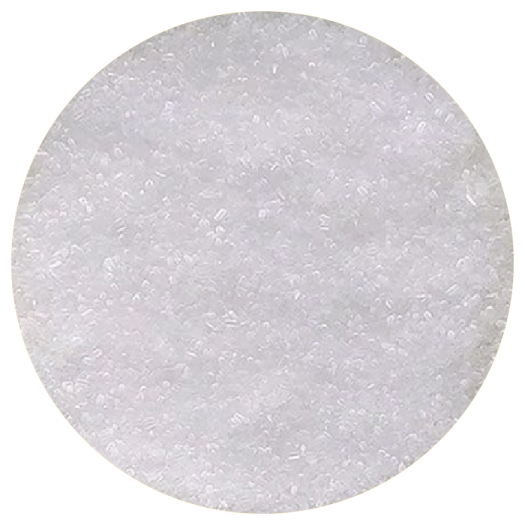
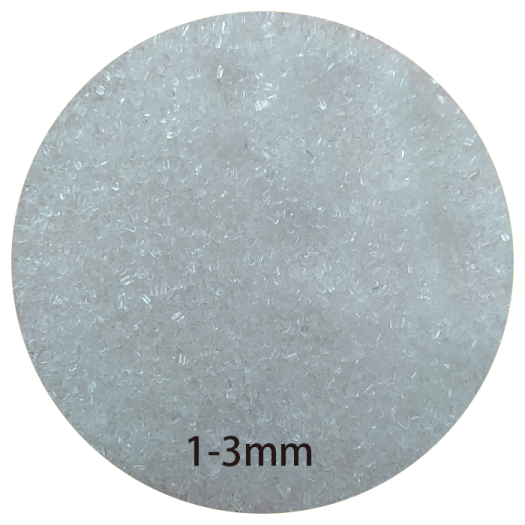
Magnesium sulphate heptahydrate (EP 7.0)
Magnesium sulphate heptahydrate (EP 7.0) is a pharmaceutical-grade compound widely used in medical and healthcare applications. It is commonly administered as a laxative for the short-term relief of constipation and as an electrolyte replenisher to treat magnesium deficiency. In clinical settings, it is also used intravenously to manage conditions such as eclampsia, pre-eclampsia, and certain cardiac arrhythmias under strict medical supervision. Additionally, it serves as an excipient in pharmaceutical formulations and as a soaking agent for external use to relieve muscle pain, inflammation, and swelling, ensuring safety and quality in compliance with European Pharmacopoeia standards.
Learn More - New
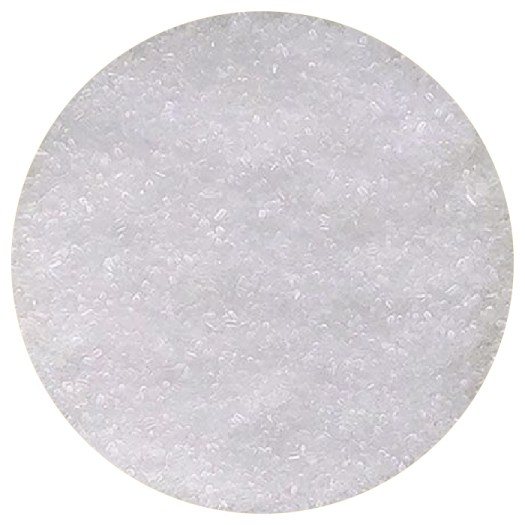
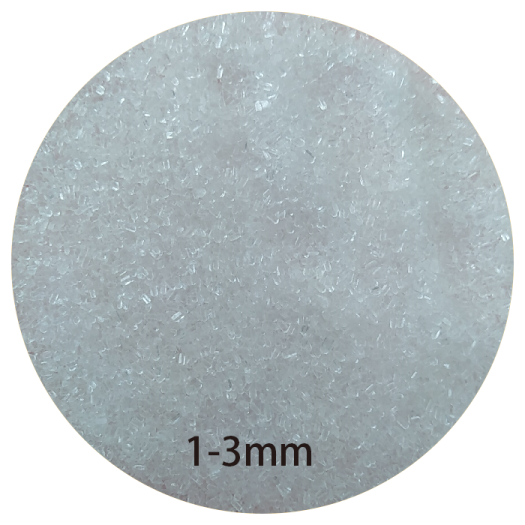
Magnesium sulphate heptahydrate (BP2007 2008 2009)
Magnesium sulphate heptahydrate (BP 2007, 2008, 2009) is widely used in pharmaceutical and medical applications. It is commonly employed as an osmotic laxative for the relief of constipation and for bowel evacuation prior to diagnostic or surgical procedures. In injectable form, it is used to treat hypomagnesaemia, eclampsia, and certain cardiac arrhythmias. It also serves as an electrolyte replenisher and anticonvulsant. In addition, magnesium sulphate heptahydrate is used in pharmaceutical formulations as a stabilizer and processing aid, complying with British Pharmacopoeia quality standards.
Learn More